



The fare cap, introduced in September, covers Glasgow, Lanarkshire, Ayrshire and surrounding areas, and limits most bus journeys to £2.

It follows a pilot in the Highlands and Islands and is part of the Scottish Government’s efforts to tackle the cost of living.
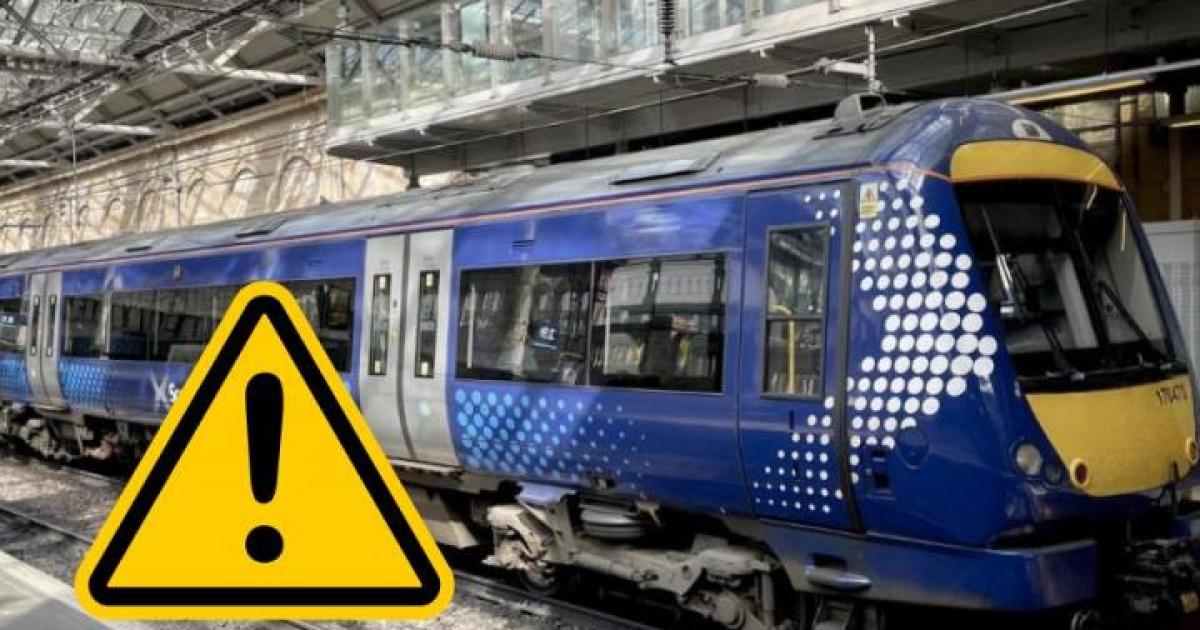
Speaking before Holyrood’s Transport Committee, ScotRail managing director Joanne Maguire said a similar scheme in the north of Scotland led to a 12 per cent drop in rail revenue, equal to about £750,000 in a year.
She said: “If the same trend is repeated across the much larger Strathclyde network, the impact on ScotRail could reach as much as £20m.”
Despite the warning, Ms Maguire said it was still too early to determine the long-term effect of the policy, which only came into force in September.
Maguire said west of Scotland commuters still value the speed and convenience offered by rail services. She said: “They want to stay at home as long as they can in the morning and get back home as quickly as they can.”
ScotRail is focusing on other value-based schemes to attract passengers, including the permanent removal of peak rail fares and the Kids for a Quid offer.
The bus fare cap has reignited debate around public transport funding and competition between subsidised services.
Scottish Liberal Democrat MSP David Green said the projected revenue loss posed a real threat to ScotRail’s finances.
He said: “The Scottish Government must ensure any funding shortfall does not result in cuts to train services.”
A Transport Scotland spokesman said the policy is part of a broader cost-of-living support package, including free bus travel for under-22s, over-60s and disabled people, and the scrapping of peak ScotRail fares.
He said: “The impact of the fare cap on the wider public transport network is being closely monitored.”
Scottish Greens MSP Patrick Harvie said it was wrong to frame the issue as buses versus trains and called for long-term investment in both to reduce congestion, improve connectivity and tackle air pollution.
Scottish Conservative transport spokesman Tim Eagle criticised the approach.
He said the SNP was “playing transport bingo with taxpayers’ money” by moving passengers between two publicly-funded services.
Reform UK MSP for Glasgow Thomas Kerr also voiced concerns, warning that the policy could create a funding shortfall that would ultimately fall on taxpayers.
The £2 fare cap is set to expand to Aberdeen from April next year.
Transport officials will continue to monitor its impact on passenger behaviour and public transport finances across Scotland.
