




| Updated:
Are we a sport generation that loves influencers or hates them? Jack Moriarty looks at how brands have changed their approach
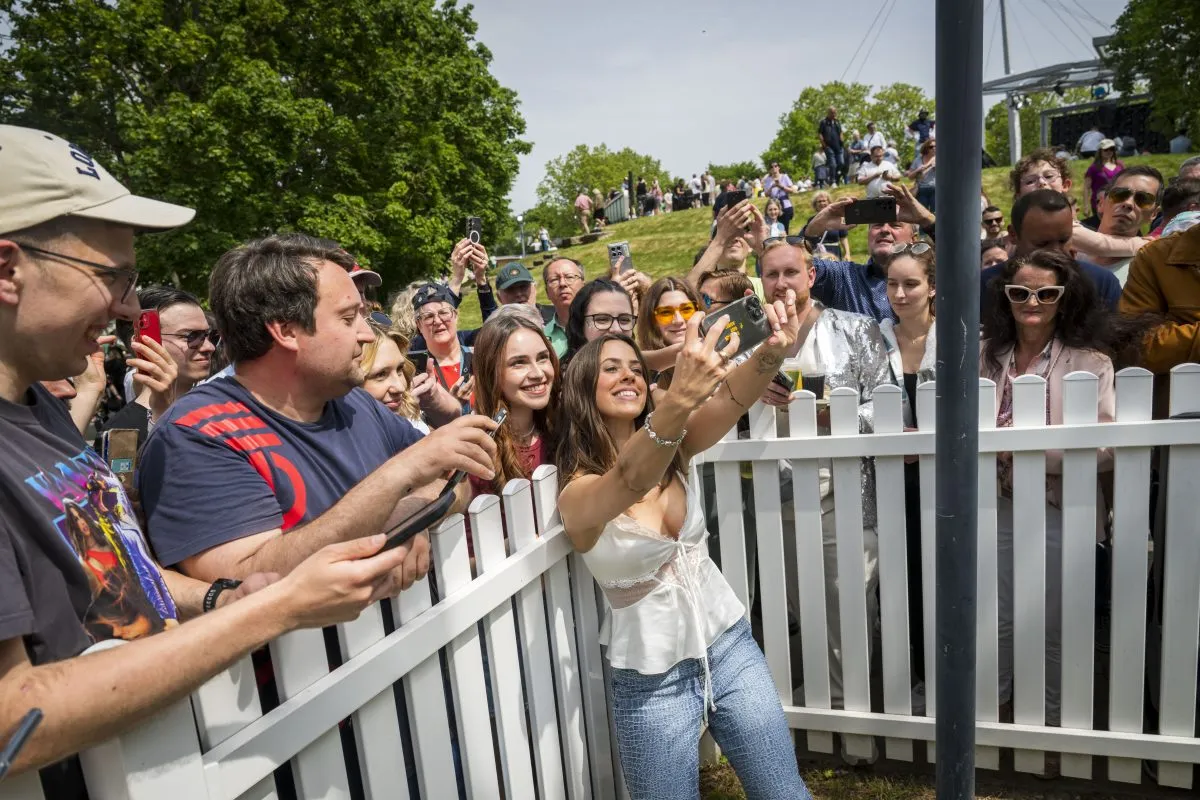
Sport has never just been about who wins and who loses. For fans, it’s a vehicle that allows them to escape from their everyday lives and connect with something deeper. That Saturday afternoon on the terraces, down the pub or at home in front of the TV isn’t routine, it’s ritual. It’s a community of like-minded individuals coming together to truly express themselves without judgement and over time influencers have missed that point entirely.
When it came to sport, the influencer narrative focussed on access. Attending the biggest games and nabbing the best seats became the priority. And sure, it looked great on the feed but it completely forgot about the grit, pain and passion that fandom is all about.
For years, influencers pulled in followers with this approach, and as brands sought to unlock those consumers, they gave influencers even more access. The harsh realities that every fan can relate to was being painted over for something that attempted to cultivate aspiration. The more accurate outcome was animosity towards these individuals who were given opportunities real fans could only ever dream of.
Influencers done right?
For a long time brands saw no issue here. The influencers, and by association the brands, were being seen by millions. However, as social media evolved and community-led platforms gave fans more control over the stories they see, and more importantly the stories they don’t, we saw engagement and virality shift.
It gave rise to a whole new era of sports marketing influencers. Fellow fans who wore their fandom on the sleeve in the hopes that by playing back their followers’ passion and persistence, they’d connect on a level that made them stop and care instead of scroll past.
Take Brandon Burgess: An F1 superfan who set himself a challenge and documented the entire experience. Not because he hoped it would make him TikTok famous, but because he wanted to share his journey with like minded fans. Brandon’s mission was to attend every single F1 race in a calendar season whilst juggling a full-time job, a limited amount of annual leave and an even more limited budget.
His story wasn’t compelling because he had access, it was compelling because he didn’t.
Every budget hotel, impossible flight schedule and logistical nightmare along the way. It all came together and resonated on a deeper level, as thousands of fans saw their own ambition and frustration in his journey. In just five months he’d gained over 60,000 followers by being his authentic self – and one of those followers was Heineken.
As a headline sponsor of Formula 1 around the world, they’d seen Brandon’s story and the connection he had made with the racing community. It was the same time they were about to renew their five-year sponsorship deal with the sport.
The future
They created the world’s first F1 Season Ticket: an all inclusive, pocket-sized pass that provided one lucky fan and a friend with race passes, flights, and accommodation for every race across a calendar season.
This wasn’t a black card created for celebrities or influencers. Heineken didn’t create a story, they amplified one that already existed and resonated.
Speaking about his experience, Brandon says: “It was amazing seeing how many people connected with that original challenge. It’s no cliche, this has quite literally changed my life.”
So, as we head into another summer of sport, let’s see which brands treat access as the story and which brands realise that the real story has always been the fans.
Jack Moriarty is associate creative director at The Romans
