













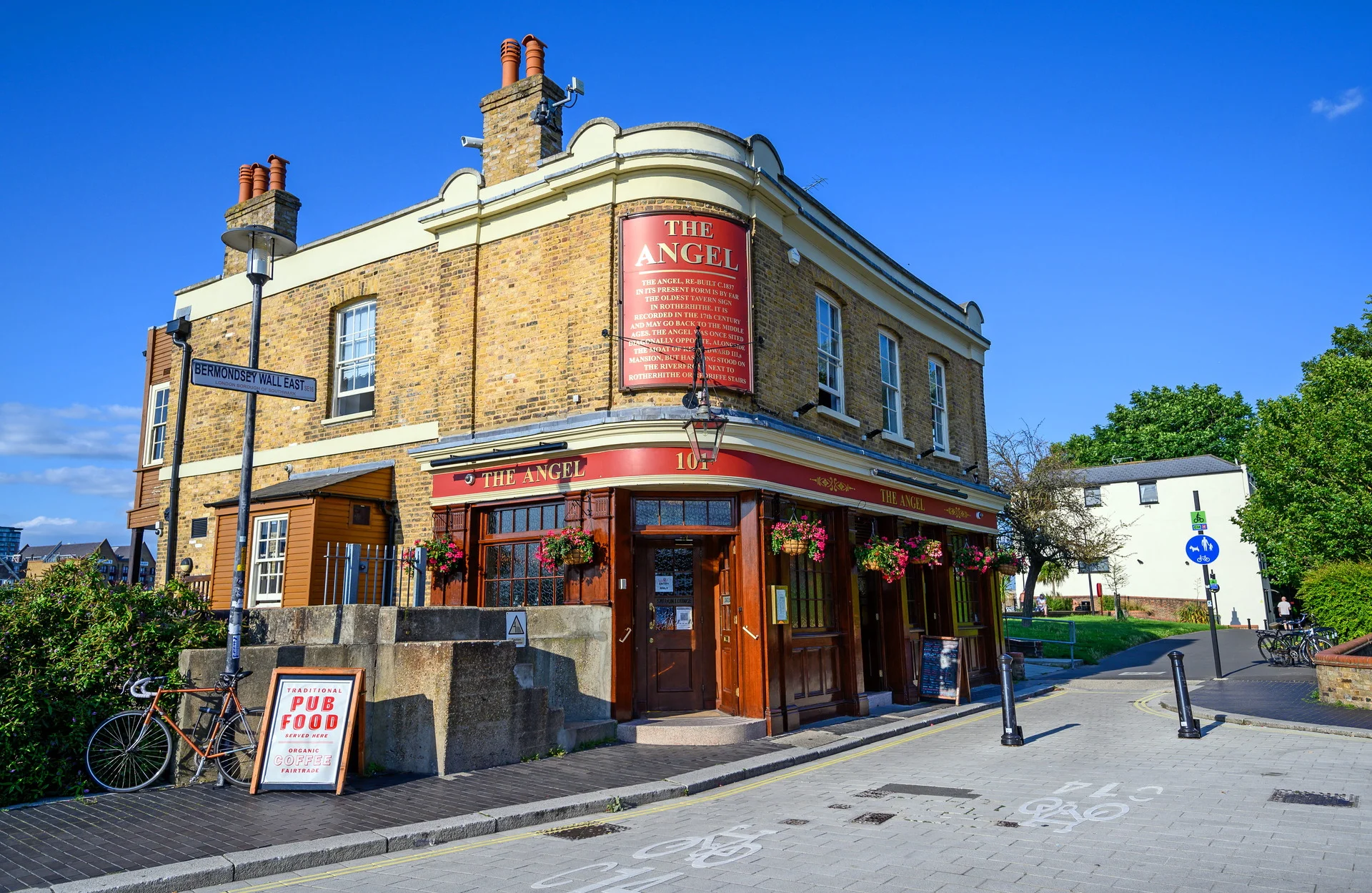
As the UK’s pub sector continues to battle rising costs and a growing number of closures, a new bill has been proposed to protect historic venues from demolition or redevelopment without planning approval.
The legislation has been quick to receive backing from the Campaign for Real Ale (CAMRA), which argues that pubs are a vital part of Britain’s cultural heritage and community life.
The proposal comes amid wider concerns about the future of the industry, with an average of two pubs closing every day since the start of 2026 despite a series of government support measures.
CAMRA backs new bill which aims to prevent heritage pubs from closing down
CAMRA, the consumer group that supports over 145,000 pubgoers, is calling on MPs and ministers to support a new law saving heritage and outstanding pubs from closure.
The bill, which was recently introduced by Conservative MP Mike Wood, prevents historic venues from being demolished or repurposed into shops or homes without proper planning consent or community consultation.
Wood represents Kingswinford and South Staffordshire, the constituency where the 260-year-old Crooked House pub was recently demolished following a fire in 2023. The decision sparked pushback from the local community and campaign groups, after the demolition was ruled illegal by the South Staffordshire Council.
Commenting on their support for the bill, CAMRA chairman Ash Corbett-Collins said “CAMRA and our 145,000 members are giving our full backing to this desperately needed bill that will give better protections for pubs, which are a vital part of our heritage and of community life up and down the country.”
What support has the government offered struggling pubs?
With an average of two pubs closing every day since the start of 2026, the UK’s hospitality industry is facing a perfect storm of soaring operating costs, shifting consumer behaviour, and competition from supermarkets and other low-cost alcohol retailers.
In response, the government has introduced a series of measures aimed at easing financial pressures on pubs. In January 2026, it announced a 15% reduction in business rates bills for eligible pubs, alongside a two-year real-terms freeze on those rates to provide greater certainty for operators.
The government has also maintained support through alcohol duty relief on draught products served in pubs. While alcohol duty rates continued growing alongside inflation in January, the temporary reduction helped to keep the tax burden on pints lower than on equivalent drinks sold in supermarkets.
Responding to concerns about the pace of pub closures, a Treasury spokesperson said: “We have the right economic plan. We’re backing hospitality by cutting VAT on family attractions and kids’ meals this summer, reforming business rates, extending World Cup opening hours, and taking action on the cost of living to boost the sector.”
However, industry leaders maintain that while the measures are welcome, they may not be enough to offset the long-term pressures facing Britain’s pubs.
The BBPA claims further support is needed to avoid more closures
The British Beer and Pub Association (BPPA) argues that more fundamental reform is necessary to prevent a new wave of pub closures.
Emma McClarkin, the chief executive of the BBPA, told The Telegraph that while measures like the business rates reduction and alcohol duty relief have reduced the immediate burden, “they do not solve the long-term problem, which traps pubs in a cycle of uncertainty and shocking increases.”
“Our analysis shows that if the underlying methodology is left unchanged, we could see around 2,300 pubs close in 2029-30. We cannot emphasise enough what a devastating blow to communities, jobs, and local economies across the country [that would be].
Calls for greater government intervention come in contrast to comments made by presenter James May, who recently suggested that the industry’s challenges are not solely down to economic pressures, but also reflect the quality and relevance of some pubs themselves.
Whichever side of the debate you fall on, it’s clear that the stakes extend far beyond the businesses themselves.
Given that the average pub is estimated to generate £1.3 million in economic and social value for its local community for many towns and villages, the loss of a pub represents not just another shuttered storefront, but the disappearance of a vital community hub.


