




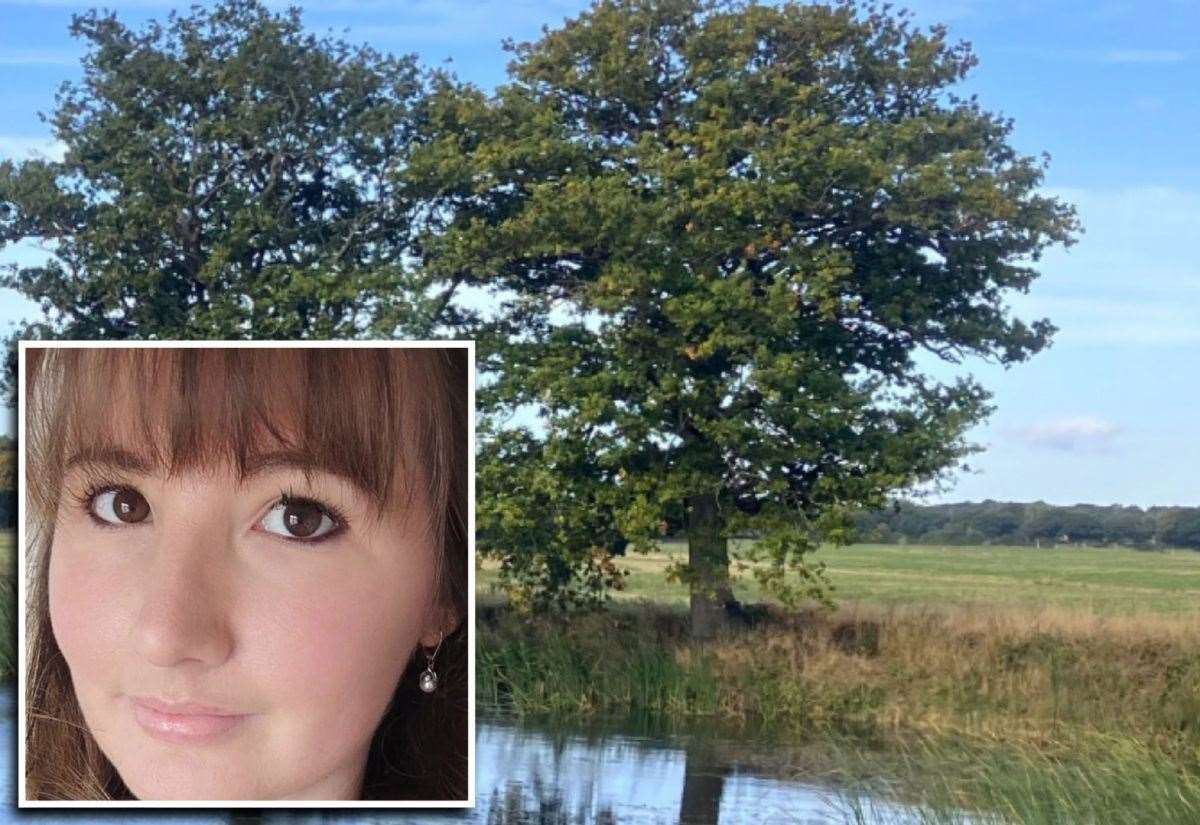
Plans for a new woodland have been described as a “blessing” amid concerns rural villages are having to “fend off housing developments at every turn”.
Forestry England bought a 163-acre plot of land 10 miles west of Ashford last year as part of its bid to “expand the nation’s forests”.


The site – which sits between the villages of Smarden, Bethersden, High Halden and Biddenden – will feature a mix of broadleaf and conifer trees, including willow, aspen, oak, and hornbeam.
Native shrubs such as hazel, hawthorn, dogwood, and wild cherry have also been earmarked for the land, with the overall woodland set to be a “valuable habitat for wildlife and carbon absorption”.
Bosses say the site, to be known as New Luckhurst Wood, will be a “beautiful space for people to enjoy” that will also provide “a sustainable source of timber”.
Over the last few months they have surveyed the existing farmland, which includes a number of ponds, created initial designs, and heard the views of residents via a public consultation.

Now, Foresty England chiefs say designs are soon to be submitted to the Forestry Commission for regulatory review.
If rubber-stamped, the woodland would be created over two years, with initial planting getting underway this winter.
Cllr Kayleigh Brunger-Randall, from Ashford Borough Council, is excited for the scheme to come forward.
The Independents representative for Weald North ward told KentOnline: “The proposed new Luckhurst Wood in Smarden will be a literal breath of fresh air for the area.

“Rural villages are fending off large housing developments at every turn, so to have something positive coming through for nature recovery is a blessing.
“I hope more rewilding opportunities come forward in the future and I am in full support of this application.”
Once grown, Forestry England would dedicate the woodland under the Countryside and Rights of Way (CROW) Act so people can access and explore the site, which is divided by Bethersden Road.
The government agency will have support for the project through the Nature for Climate Fund.
Chiefs say once the trees have grown to a suitable height, some will be removed after about 20 years to provide a sustainable supply of timber.


Locally sourced and grown elm trees will also be resistant to Dutch elm disease – something which will help create and connect suitable habitats for the white‑letter hairstreak butterfly.
However, due to a lack of funding, they say dedicated horse-riding or cycling routes will not be provided.
Meanwhile, no plans have been drawn up for a car park, with access to instead be through existing footpaths.
