












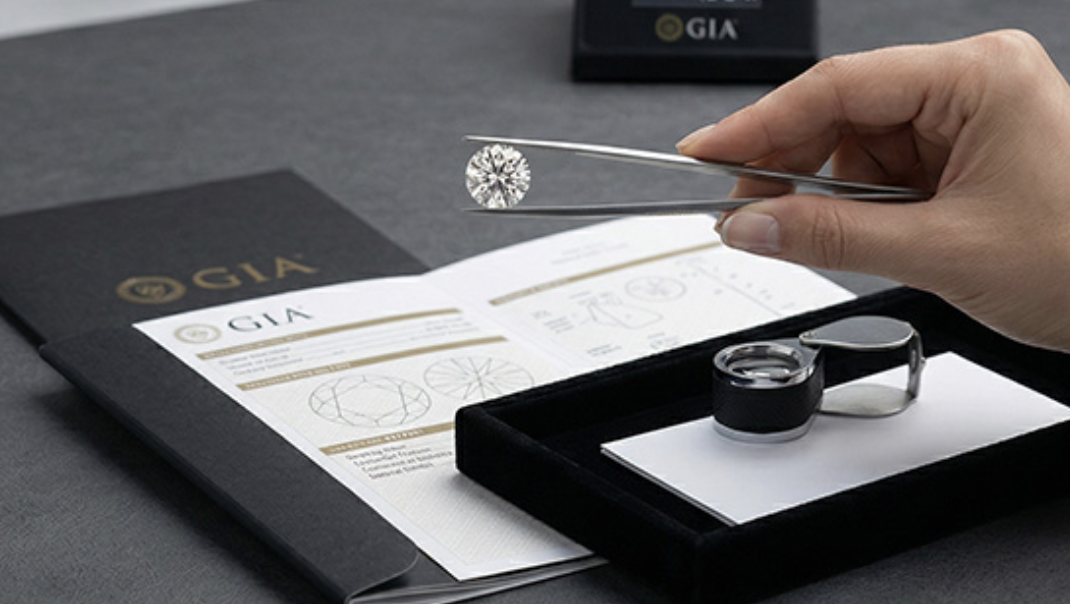
Buying a diamond looks simple at first. Then you actually start comparing, and it’s not quite that straightforward anymore.
You notice the visual side right away, but there’s also a lot happening underneath—pricing, grading, small details that don’t always get explained clearly.
That’s usually where it starts to feel a bit less clear. Somewhere around there, brands like Rare Carat start to feel useful.
Instead of pushing a quick decision, it leans more toward helping you sort through options at your own pace. You can compare stones, go back and forth, and get a better sense of what you’re actually paying for.
Based on its company page, Rare Carat has held the #1 spot on Trustpilot.
It also notes that purchases go directly through the website as the merchant of record, with GIA-trained gemologists available if you want a second opinion before deciding.
With a 100% money-back guarantee and free 30-day returns, there’s a bit more comfort built into the process from start to finish.
If you’re looking at Engagement Rings or comparing diamonds, the real shift is moving away from just going bigger and actually understanding value first.
Where the 4Cs Start to Get Less Clear
You’ll start seeing cut, color, clarity, and carat pretty early when you read about diamonds. They sound simple enough, but once you actually compare stones, they don’t feel so straightforward anymore.
Cut is usually what changes how a diamond actually looks the most. A smaller stone with a really good cut can actually look brighter than a larger one that doesn’t catch light well.
Color and clarity are a bit less obvious—you don’t really notice them the same way when you’re just looking at the stone.
A lot of the differences between grades aren’t that obvious unless you’re really looking for them. Most of the time, it’s more about avoiding anything noticeable than trying to hit the highest grade on paper.
Rare Carat says its team includes over a hundred GIA-trained gemologists, so if something doesn’t quite add up, you can always get a second opinion before deciding.
Price-Per-Carat Math: The Quiet Trick Smart Buyers Use
Price per carat is where things start to feel a bit more interesting once you actually look at how diamonds are priced.
A small jump in carat weight can change the cost more than people expect, even when the visual difference is barely noticeable.
For example, a 1.90-carat stone and a 2.00-carat one can look almost the same once they’re set. But that “2-carat” label often pushes the price up simply because it hits a round number that buyers tend to focus on.


That doesn’t mean a bigger stone is a wrong choice. It just means the value isn’t always where it first looks like it is. The real challenge is finding a balance where size, sparkle, and price all sit comfortably together.
Rare Carat’s natural and lab-grown diamonds include AI-based price and quality scores to help make those comparisons a bit easier.
For most people, this is where things start to shift. It’s less about chasing a number and more about what actually looks good without pushing the budget too far.
Why Certification Is Non-Negotiable
Without certification, buyers may have fewer objective details to rely on and may end up making decisions based largely on appearance and seller-provided information.
Certification takes a lot of that uncertainty out of the picture. It’s not about marketing—it’s a lab report that tells you what the stone actually is.
Rare Carat points out that their diamond reports come from some of the best places, like GIA, IGI, and GCAL.


And that’s where things start to matter, because two diamonds that look almost identical online can end up sitting in very different quality brackets once the grading is laid out.
Lab-Grown Diamonds go through the same kind of documentation, too. So you’re not just taking a diamond at face value either way.
Certification can make the buying process feel less uncertain by giving buyers clearer details about what they’re considering.
How Rare Carat’s AI Diamond Report Helps Catch Common Mistakes
A lot of people end up thinking a diamond is a good deal just because it looks fine in a listing. That’s usually where things can get misleading.
Rare Carat’s Diamond Report is basically there to go beyond how a stone first looks. It doesn’t stop at surface impressions—it digs into things like cut, depth, color, clarity, symmetry, polish, fluorescence, table, and girdle details.
The reason this matters is simple—some issues don’t show up visually right away. A stone can be priced fairly on the surface, but still have small factors that affect how it performs once you actually see it in different light or settings.
That’s where the AI layer comes in. It helps flag those details early, and if something still feels unclear, gemologists step in with a second look.
The website also mentions that it acts as the merchant of record, with stones verified in-house in New York and crafted with quality checks. Put together, it makes the process feel a bit less like decoding specs on your own and more like having backup while you compare options.
Price, Returns, and the Confidence to Buy Online
Buying fine jewelry online isn’t unusual anymore, but it still comes with a trust check. Rare Carat builds around that with a few clear protections—like a 100% money-back guarantee, free insured shipping, free 30-day returns, and one-year resizing.
Most people don’t just pick a ring and move on. They usually take a bit of time with it—look again, compare, come back later if something feels off.
That’s where clearer visibility can help. Rare Carat brings pricing, certification details, and stone comparisons into one place, which may make it easier for buyers to compare options without moving between separate listings.
It can make it easier for buyers to slow down, compare details, and make a more informed decision.
The Smartest Sparkle Is the One Bought With Confidence
Purchasing Diamonds usually isn’t about spending the most. It usually just comes down to how it all feels together—the look of the stone, the price, the certification, and whether it still feels right after you’ve had a bit more time with it.
Rare Carat fits into that process by making comparisons easier to work through. You can look at stones, open up the details, get a clearer sense of pricing, and bring in expert input if something feels unclear along the way.
For many buyers, the decision may feel clearer once the details are easier to understand and the trade-offs feel more manageable.


