











People no longer tolerate waiting. Whether it is loading times, subscription delays, or complicated sign-up processes, friction in entertainment is now a deal-breaker. The shift toward instant, on-demand experiences is a structural change in how digital culture operates. Platforms, developers, and service providers that understand this are winning. Those that do not are losing users at an accelerating rate.
The Psychology Behind the Demand for Immediacy
Human attention has always been selective, but digital environments have sharpened that selectivity to a fine edge. When a person picks up a phone to watch, play, or listen to something, the decision window is remarkably short.
Research on consumer behavior consistently shows that if a platform does not deliver value within the first few seconds, users move on. This is not impatience in the traditional sense; it is a rational response to an environment where alternatives are always one tap away.
The brain’s reward system plays a central role here. Instant entertainment is designed to trigger small, frequent dopamine responses: a satisfying animation, a quick win, a perfectly timed punchline, a smooth transition between pieces of content. These micro-rewards build habitual behavior. Over time, users associate specific platforms with the feeling of immediate satisfaction, which drives loyalty far more effectively than content quality alone.
There is also a comfort dimension. When people are stressed, bored, or mentally exhausted, they reach for entertainment that requires minimal effort to begin. The lower the barrier to entry, the more likely someone is to engage. This is why autoplay features, one-click access, and streamlined interfaces have become industry standards rather than optional enhancements.
Types of Instant Entertainment Shaping Modern Culture
Considering the development of intelligent entertainment systems and the platforms that support them, we can identify several distinct and popular types of instant entertainment emerging worldwide.
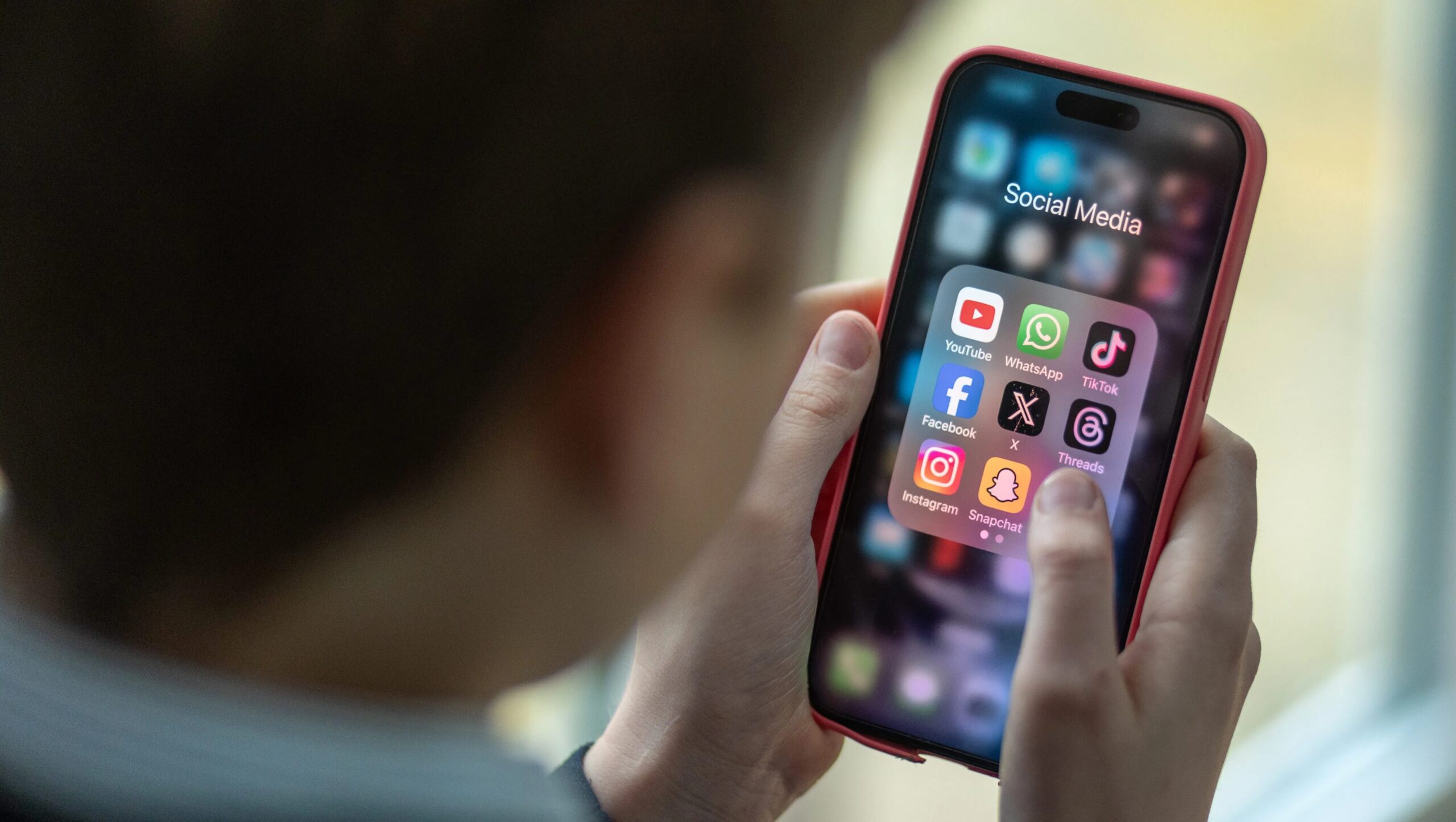
In the United States, one of the most dominant forms is short-form video content, driven largely by platforms like TikTok and Instagram Reels. The format is deceptively simple: videos rarely exceed sixty seconds, they are served algorithmically based on viewing behavior, and the feed is essentially infinite.
A user does not search for content; the content finds them. What makes this format so effective as instant entertainment is that it requires zero commitment. You do not need to follow a storyline, remember characters, or invest time in building context. Every video is self-contained and immediately engaging or immediately skippable.
In Europe, Finland, specifically, a very different type of instant entertainment has taken hold, one rooted in the online casino space. The so-called pikakasinot, or instant casino platforms, have redefined what frictionless gaming looks like. These platforms eliminate the traditional barriers that once made online gambling cumbersome: lengthy registration processes, slow withdrawal times, and delays in identity verification. Instead, these sites allow players to log in using their online banking credentials, deposit funds immediately, and access games within moments. Withdrawals are processed just as quickly. The result is a gaming experience that centers entirely on the player’s enjoyment rather than administrative hurdles.
South Korea offers a compelling third example, and it sits in an entirely different category: live streaming and interactive broadcasting. Platforms like AfreecaTV and the local adaptation of streaming culture have turned real-time content into a social event. South Korean audiences tune in to watch hosts, called or broadcast jockeys, play games, cook, travel, talk, or simply exist in front of a camera for hours. What makes this instant entertainment is not the speed of the content itself, but the immediacy of interaction. Viewers send comments, virtual gifts, and reactions in real time, and the host responds directly. There is no script, no post-production, and no delay between what happens and what the audience sees.
How Technology Has Made Instant the New Standard
None of this would be possible without significant advances in infrastructure. The rollout of 5G networks, improvements in cloud computing, and the near-universal adoption of smartphones have collectively eliminated most of the technical obstacles that once stood between a user and their entertainment.
Streaming a high-definition video in 2010 required planning: a strong Wi-Fi connection, a capable device, and patience. Today, the same experience is available anywhere, at any moment, on a device that fits in a pocket.
Platform design has evolved in parallel. User experience teams now treat every additional step in a process as a potential drop-off point. The goal is to remove clicks, reduce load times, and surface the right content before the user even articulates what they want.
Recommendation engines powered by machine learning have become central to this effort. They analyze viewing patterns, session lengths, time of day, and dozens of other signals to predict what a person will want next, and serve it before the previous piece of content finishes.
Payment technology has followed the same trajectory in commerce-driven entertainment spaces. Instant payment rails, biometric authentication, and digital wallets have collapsed the distance between the decision to engage and the ability to do so. In gaming contexts, especially, the ability to fund an account and begin playing in under a minute has become a meaningful competitive differentiator.
What This Means for Creators, Brands, and Platforms Going Forward
The dominance of instant entertainment puts pressure on every part of the content and service ecosystem. Creators must now produce work that is compelling from the very first moment. This does not mean depth is dead, but it does mean that depth must be earned quickly. The opening seconds of any piece of content carry more weight than they ever have before.
For brands, the challenge is presence without disruption. Audiences who expect instant access to entertainment are hostile to anything that slows that access down. Advertising formats that interrupt or delay content generate resentment, not engagement.
Platforms face perhaps the most complex challenge. The expectation of instant access has become a baseline, not a selling point. Competing on speed alone is no longer viable because speed is table stakes. What separates leading platforms from struggling ones is the quality and accuracy of their personalization: the ability to know, almost intuitively, what a user needs at any given moment and deliver it without friction. That capability, more than any single feature, is what drives retention, engagement, and long-term growth in digital entertainment.
The direction of travel is clear. Entertainment platforms that treat instant access as a genuine design philosophy, rather than a marketing claim, will define the next decade of digital culture.


