




| Updated:

The Treasury has said it still needs to spend £5bn more on Covid-19 measures more than four years after the last lockdown restriction was lifted, taking the total estimated costs to taxpayers to £385bn.
In a cost tracker update on Thursday, the government said it had already spent £380bn on Covid-19 support since the pandemic broke out in 2020.
More than £80bn of the total funds spent on Covid-19 has been spent by the government’s health department, with nearly £50bn spent by the Treasury.
The update, which was the first since a publication in 2023 and is expected to be the last, uncovers the enormous cost of the pandemic to taxpayers.
Previous estimates have said that the government spent around £96.9bn on employment and business schemes, namely on furlough payments that covered 11.7m individual jobs.
Several other grants and loans have been issued to employers and entrepreneurs while billions of pounds were wasted due to fraud and error through loans and personal protective equipment supplies.
William Yarwood, campaigns director at the TaxPayers’ Alliance, said: “Taxpayers will be alarmed that years after the pandemic, billions of pounds of COVID spending is still going out all the while the final bill has ballooned to around £385bn.
“While emergency support may have been necessary at the height of the crisis, far too much money was wasted through fraud, rushed procurement and poor oversight.”
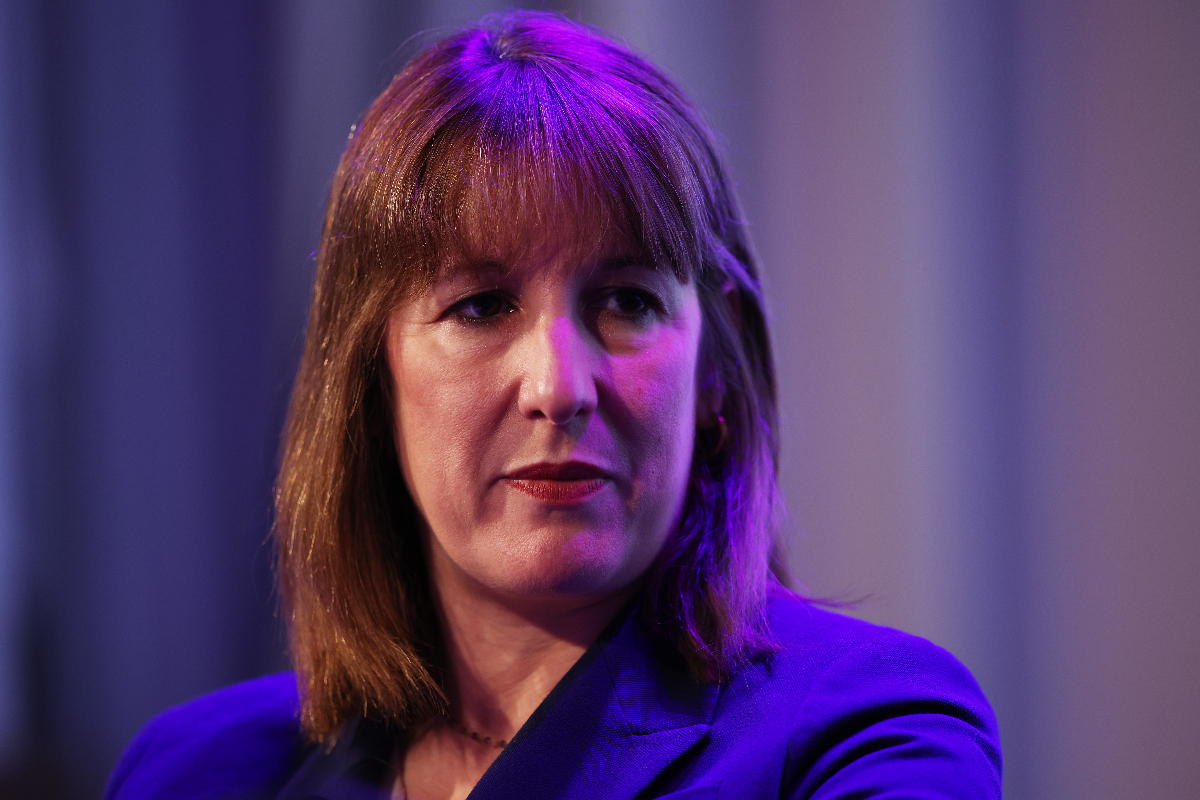
Chancellor Rachel Reeves centred her economic pitch on reclaiming lost taxpayer funds when Labour were in opposition. The government has recouped around £400m.
The Treasury also revealed that spending related to Covid-19 was £11.4bn higher than previously estimated due to NHS cost settlements, credit losses from loan schemes and resources allocated towards a vaccine taskforce.
The Institute of Economic Affairs’ Christopher Snowdon said those asking for a cost-benefit analysis at the time of the pandemic were “accused of being a granny murderer”.
He added: “It is very difficult to see how they could exceed the £385bn cost, especially since that £385 billion is only the cost to the state, not the private sector.”
Treasury spending costs taxpayers billions
The post-2020 surge in spending has squeezed public finances. Public debt as a share of GDP stood at around 84 per cent but it has since risen to 94 per cent, briefly peaking above 100 per cent,
Debt interest payments to the government’s lenders have subsequently leaped from under £40bn before the pandemic to more than £110bn in the last financial year. The tax burden is now projected to reach a post-World War II high.
After the pandemic, the Tory-era government spent around £75bn on energy support in response to the price shock caused by Russia’s full-scale invasion of Ukraine, according to the Institute for Fiscal Studies.
The furlough scheme that supported employees through lockdown has also faced criticism from some economists. Former shadow chancellor Ed Balls wrote in an academic paper that the scheme weakened the UK labour market’s dynamism in the long-term.
Several top economists have also commented on the hidden costs of the pandemic as payments for disability and incapacity payments surged due to higher levels of depression and anxiety.
Researchers at the Tony Blair Institute have said the welfare bill would be £11.5bn lower had incapacity benefit claimant numbers remained at pre-pandemic levels.
The Treasury has been approached for comment.
