




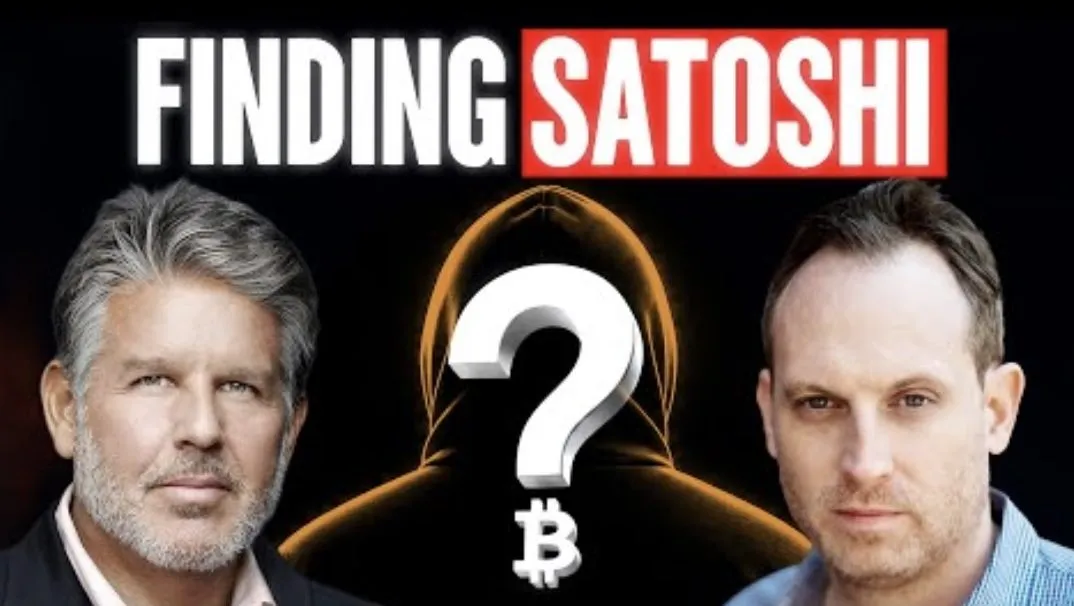
In April 2026, the seventeen-year search for Satoshi Nakamoto, the pseudonymous creator of Bitcoin, produced something it had never produced before: two serious, sustained investigations arriving within days of each other, each with a conclusion, and each pointing in a different direction. This week, that debate moved into living rooms across America when CNN’s Jim Sciutto sat down with Finding Satoshi’s lead investigators in a digital short that spread rapidly across CNN’s social platforms, generating nearly 100,000 views on Facebook, more than 8,000 likes on Instagram, and over 6,500 likes on TikTok with 813 shares, a share-to-like ratio that signals genuine, engaged interest rather than passive scrolling.
Finding Satoshi, a documentary released on April 22, 2026 and available at FindingSatoshi.com, presented the outcome of a four-year forensic investigation into Bitcoin’s origins and the identity of its creator. The film was directed by Matthew Miele and Tucker Tooley and produced by Tucker Tooley, Jordan Fried of Fried Films, and Happy Walters. Its investigation was led by William D. Cohan, a New York Times bestselling author and longtime Wall Street Journal contributor, and Tyler Maroney of Quest Research & Investigations. The inquiry spanned four years, drew on original reporting, forensic analysis, and previously unseen evidence, and put more than twenty people on record. Former FBI behavioral analyst Kathleen Puckett, whose work has included behavioral profiling in some of the most significant criminal cases in recent American history, contributed a psychological portrait of Satoshi built from the digital trails and communications the creator left behind. Michael Saylor, Fred Ehrsam, Joseph Lubin, Bill Gates, and Gary Gensler all appeared on screen.
The response from those who watched the film was striking. Brian Armstrong, CEO of Coinbase, said he believed the investigation had reached the right answer, calling it the most thoughtful treatment of the subject he had encountered. Vijay Selvam, author of Principles of Bitcoin, described it as the best documentary on Bitcoin in existence. Nic Carter said it was the first investigation into Satoshi’s identity he considered genuinely rigorous.
Eleven days before Finding Satoshi released, Pulitzer Prize-winning journalist John Carreyrou published a major investigation in the New York Times arriving at a different conclusion. Carreyrou, whose reporting brought down Theranos and Elizabeth Holmes, spent a year investigating Bitcoin’s origins and named British cryptographer Adam Back as his answer. Back’s significance to Bitcoin’s intellectual history is genuine and well documented. He created Hashcash, contributed to the cypherpunk tradition that produced the white paper, and was present in the communities where Bitcoin’s foundational ideas took shape. The Times piece was serious journalism by a serious journalist, and it brought the Satoshi question to a mainstream audience that had not previously been paying close attention.
The Finding Satoshi team is now leaning into the momentum with a new move, respectfully and publicly challenging Carreyrou to compare investigations and evidence openly. It is the kind of confident, transparent posture that serious investigative work can afford to take, and it suggests the team behind the film is prepared to let the methodology speak for itself in direct comparison.
Where the two investigations diverge is in their conclusions, their methodology, and the time each devoted to the question. Finding Satoshi spent four years. It employed a private investigator, a behavioral analyst, and a financial journalist working in sustained collaboration. It drew on evidence that had not previously been made public. Whether that depth produces the more accurate answer is ultimately a question for audiences to weigh. The film, and the evidence behind it, is at FindingSatoshi.com.
