




| Updated:
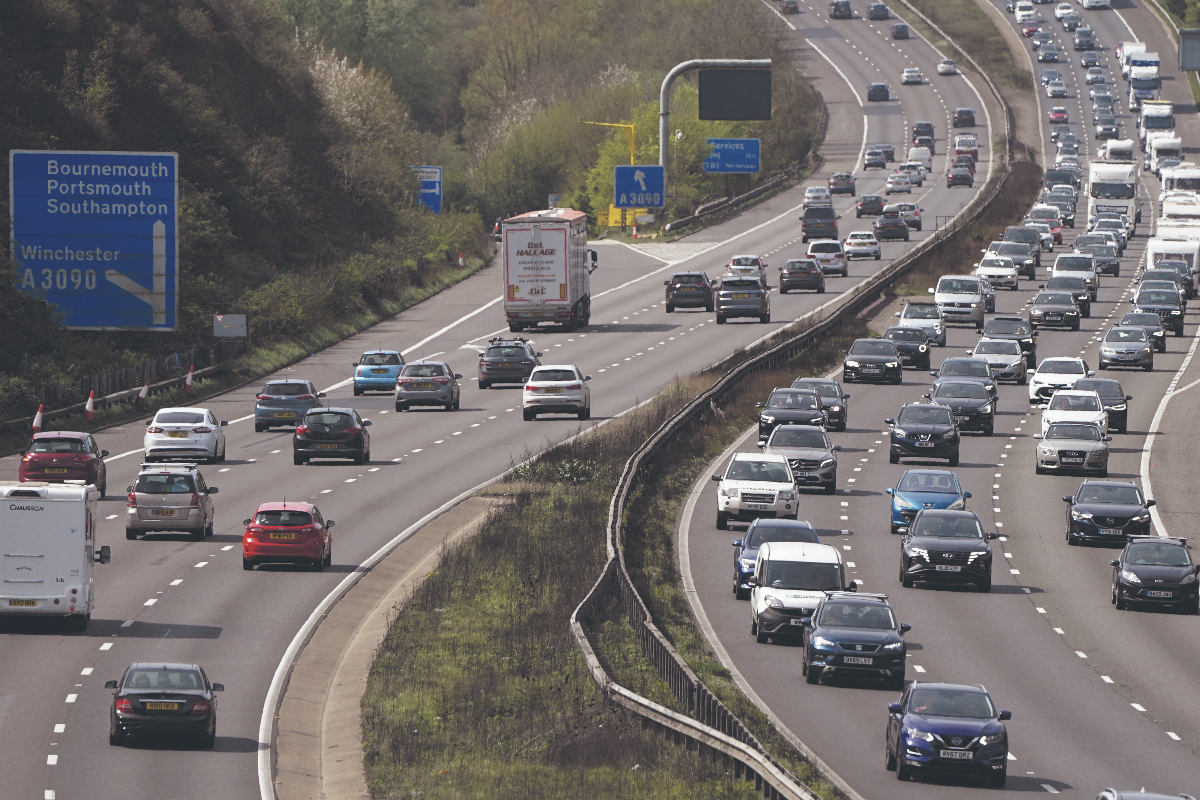
Costs for drivers under the age of 25 are rising despite a drop in insurance premiums, largely driven by fuel hikes from the fallout of the Middle East conflict.
Fuel costs for young drivers rose by 18 per cent in 2026 compared to 2025, with the average annual bill spiking from £833 to £981, according to new data from price comparison giant Compare the Market.
Driving costs – which includes car insurance, fuel costs, road tax and an MOT – are typically higher for young drivers because of insurance premiums being priced at the top end as those who are newly-qualified are at greater risk on the road.
But these costs have spiked amid wider geopolitical pressures, despite being offset by a fall in car insurance premiums.
Insurance premiums have fallen by £110 since April 2025, the price comparison firm said, but fuel price increases have subsequently added nearly £140 on to young drivers’ annual bills.
Car insurance premiums hit a two-year low in January 2026 of £1,300, only creeping up marginally since then to £1,308.
This follows a downward trend for young drivers’ insurance premiums in recent years, with the average premium dropping by £735 from April 2024 to April 2026.
However, Compare the Market said, with “wider inflationary pressures” car insurance premiums could begin to rise again in the near future.
“While our latest data shows that car insurance costs for young drivers have fallen, which will come as a welcome relief, the rise in fuel costs may increase pressure on young drivers,” Sam Wilson, head of commercial finance at Compare the Market said.
Petrol costs have surged since the start of the Iran war from 132.9p to 158.2p per litre, while diesel shot up from 142.4p per litre before the conflict to 186.8p last week.
Scams also putting drivers out of pocket
As well as surging fuel costs putting young drivers out of pocket, the City watchdog said many motorists aged between 17-25 are being lured into purchasing illegitimate insurance on social media and messaging platforms.
The Financial Conduct Authority (FCA) said it is clamping down on the scams, known as ‘ghost broking’, and plans to work with social media influencers to tackle the problem.
