





If you’ve ever tried to lose weight, you’ve probably heard the same advice again and again: eat more protein, move more, and watch your overall calories. And honestly, it’s good advice.
Protein helps you feel fuller, supports your muscles, and can make it easier to avoid those random snack attacks that happen when you’re hungry an hour after eating.
So protein bars seem like the perfect solution. They’re easy, sweet, filling, and you can throw one in your bag when you’re busy. I’ve used them myself, especially on days when I’m trying to hit my protein target or when I’ve been lifting weights.
But are protein bars actually good for weight loss?
Yes, they can be, especially if they help you eat more protein, keep you full for longer, or replace a higher-calorie snack. But they won’t make you lose weight on their own. The most important thing is still your overall diet and whether you’re eating fewer calories than your body uses.
And this is where you need to be a little careful. Some protein bars are genuinely useful. Others are just high-calorie, ultra-processed snacks with a bit of added protein.
When protein bars can actually help with weight loss
Protein bars can be useful for weight loss when they help you feel fuller, avoid less helpful snacks, or add more protein to a diet that is otherwise quite low in protein.
They are not essential, but they can help in a few specific situations:
1. When you’re exercising or lifting weights
If you’re trying to lose weight while also exercising, especially if you lift weights, protein becomes more important. It helps support your muscles while you lose fat, and it can also make your meals and snacks feel more satisfying.
This is where protein bars can be handy. They’re not the most natural source of protein, but they are convenient. If your meals have been a bit low in protein that day, a bar can help you top it up without having to cook or prepare anything.
2. When they stop you reaching for something less filling
Protein bars can also help if they replace a snack that gives you calories but doesn’t really fill you up.
For example, if you’d normally grab biscuits, cake, crisps, chocolate or a pastry in the afternoon, a decent protein bar may be a better option. You still get something sweet and snack-like, but with more protein, which can keep you fuller for longer.
3. When you’re busy and need something quick
This is probably when I find protein bars most useful. Some days you just don’t have time to prepare a proper snack, and that’s when it’s easy to grab whatever is quick.
In that situation, a protein bar can be a convenient backup. Not perfect, and not something I’d rely on every day, but still useful once in a while.
The key is choosing the right one. Look for a bar that is lower in sugar, has a decent amount of protein, and fits into your calories for the day.
4. When they help prevent snack attacks
One of the hardest parts of losing weight is dealing with hunger between meals. If you get too hungry, it’s much easier to overeat later or snack on whatever is in the cupboard.
A protein bar with a good amount of protein can help you stay satisfied between meals, especially if your previous meal was a bit light.
But it still needs to fit into your day. If a protein bar helps you eat better overall, it can support weight loss. If it just adds extra calories on top of everything else, it may not help much at all.
But adding protein bars won’t automatically make you lose weight
This is where protein bars can be a little misleading.
Because they say “high protein” on the front, it’s easy to think they must be good for weight loss. But a protein bar still has calories, and those calories still count.
If you eat your normal meals, your normal snacks, and then add a protein bar on top, it may not help you lose weight at all. It could even slow your progress if that bar adds another 200 or 300 calories to your day.
That doesn’t mean protein bars are bad. It just means they need to have a purpose.
A protein bar is more likely to help if it replaces something less filling or higher in calories, such as biscuits, cake, crisps or a chocolate bar. But if it becomes an extra snack you didn’t really need, it can easily work against you.
So before having one, it’s worth asking:
- Will this actually keep me full?
- Am I eating it because I’m genuinely hungry?
- Is it replacing something less helpful?
- Does it fit into my calories for the day?
If the answer is yes, then a protein bar can be useful. If not, it may just be another snack with a health halo.
The problem with many protein bars
When I pick up a protein bar and check the ingredients, I often put it back. Not always, but quite often. Here is why:
Some are high in sugar
Some protein bars are not that different from regular chocolate bars when it comes to sugar and calories. Yes, they may contain more protein, but if they are also full of sugar, they may not be the best choice when you’re trying to lose weight.
Some are low in sugar but very processed
Then you have the other type of protein bar. Lower in sugar, but with a very long ingredient list.
These often contain sweeteners, sugar alcohols, flavourings, added fibres and other ingredients you may not recognise. Maltitol, for example, is very common in low-sugar protein bars.
I don’t personally worry about having maltitol occasionally, but I wouldn’t want to rely on bars like this every day. Also, sugar alcohols can cause bloating or digestive discomfort for some people, especially if you eat too much.
Some are higher in calories than you realise
Calories are another thing to check. Some protein bars are around 200 calories, which may be fine as a snack (or not, depends on your goals). Others can be closer to 300 calories or even more.
That’s not automatically bad, but it depends on the rest of your day. If the bar fits into your calories or replaces something less filling, fine. But if you eat it on top of everything else, those extra calories can quickly add up.
What to look for in a protein bar for weight loss
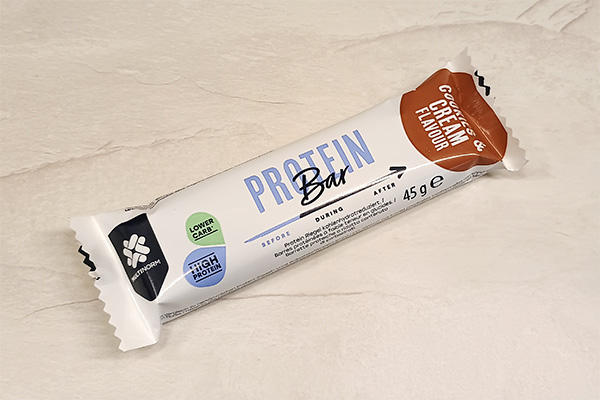
For me, the best protein bars are the ones that give you a decent amount of protein without loads of sugar, too many calories, or a huge list of ingredients I don’t recognise.
You don’t need to find a perfect protein bar, because they are still processed snacks. But some are definitely better than others.
Here’s what I would check before buying one.
Calories
Calories matter when you’re trying to lose weight, even if the food is “high protein”.
As a general guide, a protein bar around 150–220 calories is usually easier to fit in as a snack. Once you get closer to 250–300 calories or more, it may still be fine, but you need to treat it as a more substantial snack.
Protein
This is the whole point of buying a protein bar, so check how much protein it actually gives you.
Some bars only have a small amount of protein and are more like cereal bars with a health halo. Others give you around 15–20g of protein, which is usually more useful if you’re trying to stay full or support your muscles after exercise.
Sugar
Sugar is another big one.
Some protein bars are surprisingly high in sugar, which isn’t ideal when you’re trying to lose weight. A bit of sugar is not the end of the world, but if a bar has loads of it, I’d question whether it’s really much better than having a normal sweet snack.
Lower sugar is usually better, but this is where you need to check what has been used instead.
Sweeteners and sugar alcohols
Many low-sugar protein bars use sweeteners or sugar alcohols instead of sugar. Maltitol is one I see a lot in protein bars.
I don’t see sugar alcohols as automatically bad, and I don’t personally worry about having maltitol occasionally. But I wouldn’t want to rely on bars like this every day. Sugar alcohols can also upset digestion for some people, especially if you eat too much.
I’m more cautious with artificial sweeteners such as sucralose and acesulfame K. Personally, I prefer to avoid those where I can, especially in foods I’d be eating regularly.
Fibre
Fibre can be a good bonus because it helps with fullness. Some protein bars include added fibre to make them more filling and lower in sugar.
That can be helpful, but not everyone digests added fibres well. If a bar makes you bloated or uncomfortable, it may not be the best one for you, even if the nutrition numbers look good.
How long the ingredient list is
This is where I often make my decision.
If the ingredient list is very long and full of things I don’t recognise, I’m less likely to buy it. I don’t expect a protein bar to look like homemade food, but I still prefer bars with a shorter ingredient list and ingredients that make some kind of sense.
A cleaner ingredient list doesn’t automatically mean the bar is low in calories or good for weight loss, but it does make it a better choice in my mind.
Popular protein bars compared for weight loss
Protein bars vary by flavour and country, so this comparison is based on one popular flavour from each brand. The values below are per bar.
| Protein bar checked | Calories | Protein | Sugar | Full ingredient list |
|---|---|---|---|---|
| Quest Chocolate Chip Cookie Dough Protein Bar (60g) | 190 | 21g | 1g | Protein blend (milk protein isolate, whey protein isolate), polydextrose (prebiotic fibre), almonds, water, unsweetened chocolate, erythritol, cocoa butter, glycerin. Contains less than 2% of: natural flavours, salt, lecithin, stevia sweetener, sucralose. |
| Pure Protein Chocolate Peanut Butter Bar (50g) | 200 | 20g | 2g | Protein Blend (Whey Protein Concentrate, Milk Protein Isolate, Whey Protein Isolate), Hydrolyzed Collagen, Partially Defatted Peanut Flour, Glycerine, Maltitol Syrup, Soy Protein Isolate, Water, Maltitol, Peanuts, Fractionated Palm Kernel Oil, Peanut Oil, Sugar, Tapioca Starch, Cocoa (processed with alkali), Natural Flavor (includes annatto and turmeric added for color), Salt, Calcium Carbonate, Soy Lecithin, Sucralose, Almond Butter. |
| ONE Birthday Cake Protein Bar (60g) | 220 | 20g | 1g | Milk Protein Isolate, Isomalto-Oligosaccharides, Whey Protein Isolate (milk), Glycerin, Vegetable Oil (palm kernel oil, palm oil), Maltitol, Water, Polydextrose, Milk Protein Concentrate, Sunflower Seed Butter (sunflower kernels, sunflower oil, salt), Maltitol Syrup, Hydrolyzed Whey Protein Isolate (milk). Contains 2% or less of: Whey Protein Concentrate (milk), Lecithin (soy), Natural Flavor, Cornstarch, Salt, Skim Milk, Tapioca Starch, Sugar, Sucralose, Fruit and Vegetable Juice Concentrates (color), Dextrin, Spirulina Extract (color), Confectioner’s Glaze, Annatto Extract (color), Turmeric Extract (color), Carnauba Wax, Baking Soda. |
| LUNA Chocolate Chip Cookie Dough Protein Bar (45g) | 180 | 12g | 14g | Soy Protein Isolate, Organic Cane Syrup, Organic Cane Sugar, Vegetable Glycerin, Chicory Fiber Syrup, Palm Kernel Oil, Cocoa‡, Cane Sugar, Macadmia Nut Butter, Natural Flavors, Unsweetened Chocolate‡, Whey Protein Concentrate, Organic Rice Flour, Sea Salt, Soy Lecithin, Cocoa Butter‡, Organic Alkalized Cocoa, Vanilla Extract. ‡Rainforest Alliance Certified™ (97% of total cocoa) |
| think! Creamy Peanut Butter High Protein Bar (60g) | 230 | 20g | 1g | Protein blend (soy protein isolate, calcium caseinate, whey protein isolate), maltitol syrup, vegetable glycerin, peanut butter, water, fractionated palm kernel oil, partially defatted peanut flour, cocoa powder, high oleic sunflower oil, natural flavour, sunflower and/or soy lecithin, salt. |
| Barebells Cookies & Cream Protein Bar (55g) | 200 | 20g | 1g | Milk protein blend (calcium caseinate, whey protein concentrate, whey protein isolate), glycerin, maltitol, bovine collagen hydrolysate, polydextrose, cocoa butter, water, soy protein isolate, dry whole milk, sunflower oil, unsweetened chocolate, tapioca starch, natural and artificial flavours, cocoa processed with alkali, sunflower lecithin, sucralose. |
| Gatorade Chocolate Chip Protein Bar (80g) | 350 | 20g | 28g | Chocolate flavored coating (sugar, vegetable oil [palm kernel oil, palm oil, sorbitan tristearate, tbhq (to preserve freshness) citric acid (to preserve freshness)], whey protein isolate, cocoa [processed with alkali], natural flavor, soy lecithin), whey protein crisp (whey protein concentrate, corn starch, calcium carbonate), semisweet chocolate chips (sugar, chocolate liquor, cocoa butter, soy lecithin, vanilla extract), corn syrup, brown sugar, caramel (glucose syrup, sugar, palm oil, skim milk, glycerol, butter [cream, salt], whey, corn starch, salt, mono and diglycerides, natural flavor, soy lecithin), glycerin, invert sugar, and less than 2% of partially hydrolyzed milk protein concentrate, natural flavor, salt, mixed tocopherols (to preserve freshness), and citric acid (to preserve freshness). |
| Special K Chocolate Peanut Butter Protein Meal Bar (45g) | 180 | 12g | 6g | Soy protein isolate, polydextrose, corn syrup, peanuts, vegetable oil (soybean, palm and palm kernel), sugar, peanut butter, maltitol, semi-sweet chocolate (cane sugar, chocolate, cocoa butter, soy lecithin, vanilla extract), cocoa processed with alkali, contains 2% or less of fructose, vegetable glycerin, whey, natural flavours, pectin, sea salt, sorbitol, salt, soy lecithin, steviol glycosides, rosemary extract for freshness, almond flour, wheat starch. Vitamins and minerals: calcium carbonate, vitamin C, vitamin E acetate, iron, vitamin A palmitate, vitamin D3. |
| Grenade Carb Killa Chocolate Chip Cookie Dough Protein Bar (60g) | 208 | 21g | 1.4g | Protein Blend (Whey Protein Isolate (Milk), Calcium Caseinate (Milk)), Sweetener: Maltitol; Bovine Collagen Hydrolysate, Water, Humectant: Glycerol; Cocoa Butter, Whole Milk Powder, Bulking Agent: Polydextrose; Cocoa Mass, Rapeseed Oil, Skimmed Milk Powder, Emulsifier: Lecithins (Soy); Sea Salt, Potassium Chloride, Fat- reduced Cocoa Powder, Flavourings, Colour: Carotenes. |
Verdict by bar
- Quest Chocolate Chip Cookie Dough: Good protein for the calories and very low sugar. The ingredient list is not exactly “clean”, and it includes sucralose (artificial sweetener), but nutritionally it looks like one of the better options for weight loss.
- Pure Protein Chocolate Peanut Butter: Good protein and low sugar, but the ingredient list is long and includes maltitol, maltitol syrup and sucralose. Fine occasionally, but not one I’d personally rely on every day.
- ONE Birthday Cake: Good protein and low sugar, but the ingredient list is very long. It also includes maltitol, palm oils, sucralose, colours and glazing ingredients, so this is more of a processed treat-style protein bar.
- LUNA Chocolate Chip Cookie Dough: Lower in protein and much higher in sugar than most of the others. It has 12g protein and 14g sugar, so definitely not one of the best protein bars for weight loss.
- think! Creamy Peanut Butter: Good protein and almost zero sugar, but it relies heavily on maltitol syrup. It could work if you tolerate sugar alcohols well, but 230 calories is slightly higher than some other options.
- Barebells Cookies & Cream: Good protein, low sugar and reasonable calories. But it still contains maltitol, sucralose and artificial flavours, so it’s useful as a convenient bar, and it’s not exactly a healthy snack.
- Gatorade Chocolate Chip: This one really stands out. It has 20g protein, but also 350 calories and 29g sugar. I’d see this more as a sports recovery bar than a weight-loss-friendly snack.
- Special K Chocolate Peanut Butter: The calories are reasonable, but the protein is lower at 12g. It also contains corn syrup, sugar, maltitol and sorbitol. Not the worst, but not the strongest protein bar for weight loss.
- Grenade Carb Killa Cookie Dough: Good protein and very low sugar, but it contains maltitol/polyols and a fairly processed ingredient list. It can be useful occasionally, but may not suit everyone’s digestion.
Which protein bars come out best?
Based on this comparison, Gatorade protein bar is the weakest choice for weight loss because it is much higher in calories and sugar. LUNA is not one of the best options either, as it has less protein and more sugar than most of the others.
The stronger picks are Quest, Barebells, Grenade, Pure Protein and think!, mainly because they offer around 20g of protein, low sugar and calories closer to the 200-calorie mark. Even then, I’d treat them as occasional convenience snacks, not everyday health foods.
My honest take: are protein bars worth it for weight loss?
For me, protein bars can be worth it for weight loss, but only as an occasional convenience snack.
You don’t need them to lose weight. You can get protein from normal foods like eggs, Greek yoghurt, cottage cheese, chicken, fish, tofu, beans or lentils.
But protein bars do have their place. If you’re busy, on the go, exercising more, or trying to avoid a less filling snack, a decent protein bar can be useful. It can help you stay fuller and add more protein to your day.
The problem is when people treat protein bars as automatically healthy. They’re still processed snacks, and some are very processed. That’s why I wouldn’t eat them every day or use them as my main source of protein.
So yes, protein bars can help with weight loss. But they are only one small part of the picture, not the thing that makes weight loss happen.
FAQs
Are protein bars good for fat loss?
Protein bars can support fat loss if they help you stay in a calorie deficit and eat more protein. But they don’t burn fat on their own.
Fat loss still comes down to your overall diet, calories, activity levels and consistency. A protein bar can help, but only if it fits into that bigger picture.
Are protein bars healthy for weight loss?
Some protein bars are better than others. A bar with decent protein, lower sugar and sensible calories can be useful when you’re trying to lose weight.
But many protein bars are still processed snacks. Some are high in sugar, while others contain sweeteners, sugar alcohols and long ingredient lists. So I wouldn’t call all protein bars healthy just because they have protein added.
Can protein bars make you gain weight?
Yes, they can if they add extra calories to your day.
If you eat a protein bar on top of your normal meals and snacks, and it takes you out of a calorie deficit, it could make weight loss harder. This is especially true with higher-calorie bars.
Is it okay to eat protein bars every day?
You can eat protein bars every day, but I personally wouldn’t rely on them daily.
They’re convenient, but whole food protein sources are usually better for everyday eating. Things like eggs, Greek yoghurt, cottage cheese, chicken, fish, tofu, beans and lentils are more natural ways to get protein.
Are protein bars better than chocolate bars?
Sometimes, yes. A good protein bar usually gives you more protein and may keep you fuller than a regular chocolate bar.
But not always. Some protein bars are high in sugar and calories too, so you still need to check the label. Just because something is called a protein bar doesn’t automatically make it a better choice.
When is the best time to eat a protein bar for weight loss?
The best time is when it actually helps you. For example, between meals if you’re genuinely hungry, after a workout, or when you’re out and don’t have a better snack option.
