












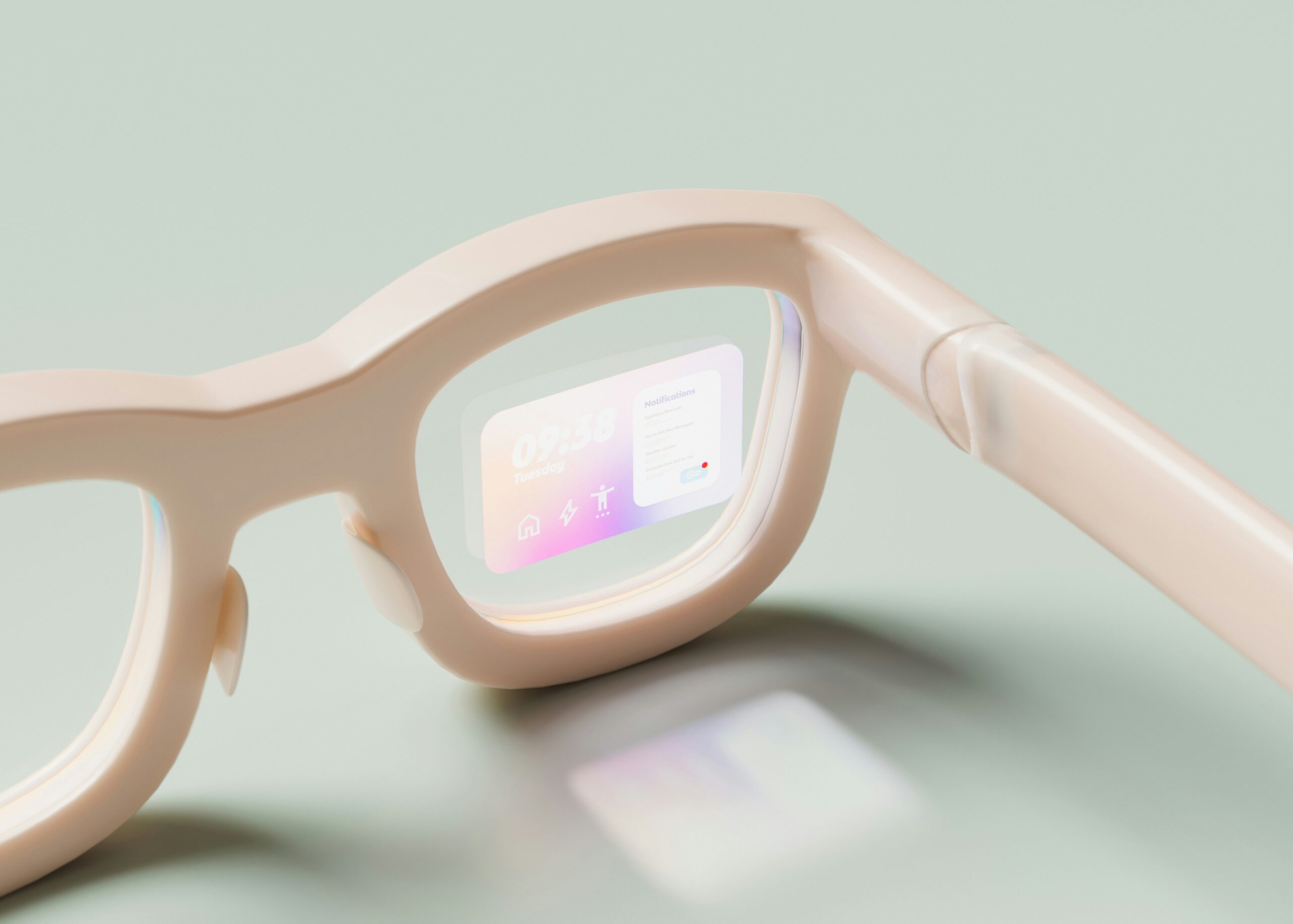
Meta presented its Ray Ban smart glasses last September as a device that acts as an assistant worn on the face. During a launch event in Menlo Park, California, Mark Zuckerberg placed the glasses on and demonstrated how the camera could stream his view to large screens as he walked towards the stage.
The glasses record images and video, answer spoken questions, translate languages and respond to objects in the wearer’s surroundings. According to Meta, the device lets people “use AI, hands free, to answer questions about the world around you”.
Marketing material has promoted the glasses as a tool that could compete with smartphones. In a widely circulated advert, Swedish ice hockey star Peter Forsberg asks the glasses who the greatest Swedish player of all time is.
Who Reviews The Images Captured By The Glasses?
An investigation by Svenska Dagbladet and Göteborgs‑Posten reported that human workers sometimes review footage recorded by the glasses.
The workers interviewed were data annotators employed through a Nairobi based outsourcing company called Sama. Their task is to label images and review transcripts so that Meta’s AI system can interpret pictures and answer questions more accurately.
One worker described the type of footage they encounter. “We see everything – from living rooms to naked bodies,” he said.
Another worker explained that private moments often appear in the recordings. “In some videos you can see someone going to the toilet, or getting undressed. I don’t think they know, because if they knew they wouldn’t be recording.”
The investigation described a situation in which glasses left recording in a bedroom captured a woman, believed to be the wearer’s wife, undressing. Workers also reported reviewing footage that included pornography.
The BBC reported that workers also reviewed transcripts of conversations between users and the AI, checking whether the system answered correctly. That means spoken interactions and questions may also pass through human review.
So, not only did the glasses overstep boundaries in people’s private moments and conversations, but also, it was found taking in visual data from homes, identifiable people, and recorded interactions with AI, all processed by the contractors.
More from Artificial Intelligence
What Does Meta Say About Data Use?
Meta confirmed that contractors may review certain recordings. The company told BBC News: “Ray-Ban Meta glasses help you use AI, hands free, to answer questions about the world around you.”
It added that human review is used to improve the system. “When people share content with Meta AI, like other companies we sometimes use contractors to review this data to improve people’s experience with the glasses, as stated in our Privacy Policy. This data is first filtered to protect people’s privacy.”
According to the company, media captured by the glasses stays on the user’s device unless the wearer chooses to share it with Meta or another service. The company also said filtering tools can blur faces in images, though people interviewed in the investigation said this protection does not always work and faces sometimes appear clearly.
Meta’s terms of service explain that “in some cases Meta will review your interactions with AIs… and this review may be automated or manual (human).”
Why Are Regulators Paying Special Attention?
The report prompted attention from the UK’s data regulator, the Information Commissioner’s Office. The watchdog said it would contact Meta to request details about its data handling practices.
In a statement to BBC News, the regulator said, “Devices processing personal data, including smart glasses, should put users in control and provide for appropriate transparency. Service providers must clearly explain what data is collected and how it is used.”
It added that the findings were troubling. “The claims in this article are concerning. We will be writing to Meta to request information on how it is meeting its obligations under UK data protection law.”
Smart glasses have grown more popular with AI tools improving. Features such as text translation and visual assistance can help people with limited sight understand their surroundings. But also, reports of users recording strangers without consent have made people weary about privacy and the handling of personal images captured through wearable technology.


