














In a decision notice published on Monday (January 26), a planning inspector dismissed an appeal connected with Downash Wood Treehouses — a holiday letting business in Tinkers Lane, near Ticehurst.
The business had been seeking permission to add a single storey lodge to its existing site, which is already occupied by six holiday cabins (including two “elevated treehouses”). The proposed cabin was described as being “timber clad” and similar in appearance to a shepherd’s hut.
The plans were initially turned down by Rother District Council’s planning committee in June last year.
While the additional lodge had been recommended for approval by council planning officers, the committee felt the scheme would be an “overdevelopment” of the site.
Councillors also said the lodge would bring “harm to the countryside”, be of a “poor design” and have an “adverse impact” on the High Weald National Landscape (HWNL).
The applicants had disputed this conclusion, lodging an appeal on the planning decision and a separate bid to recover costs from both Rother District Council and Ticehurst Parish Council.
All costs applications are based on an assertion that another party has behaved “unreasonably.”
However, the planning inspector shared the concerns raised by councillors.
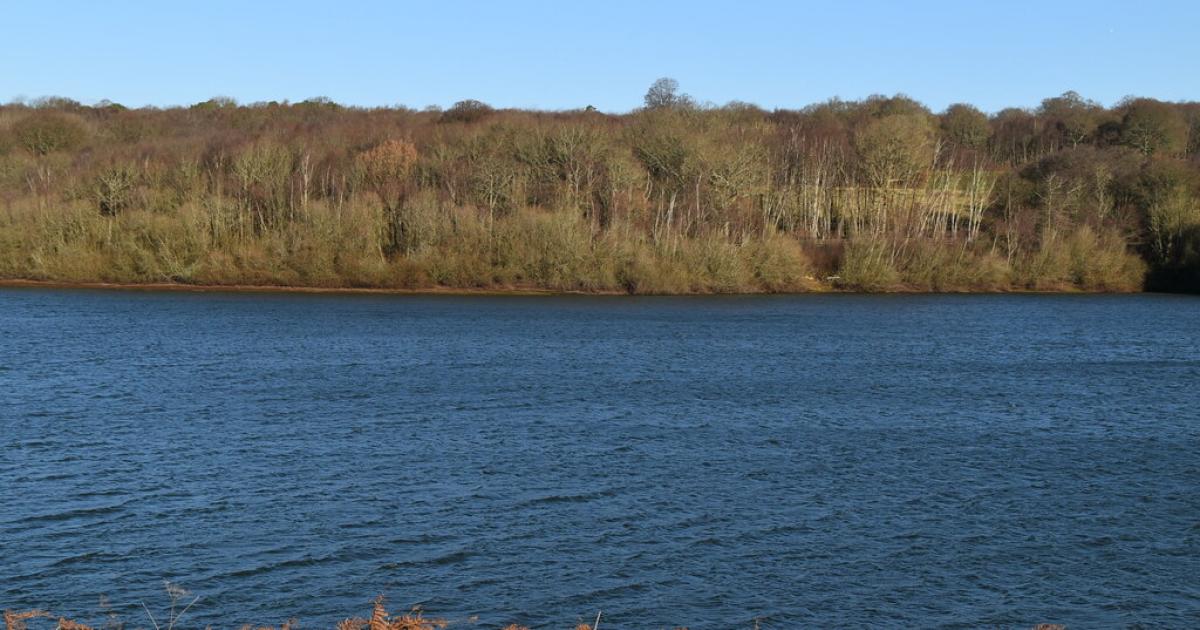
The inspector’s concerns focused on the location of the proposed cabin, which they noted to be visible from a walking and cycling path running around the outside of Bewl Water.
The inspector said the cabin, in that location, would be “an embodiment … of the erosion of rurality and tranquillity through new camping/glamping accommodation and activity.”
The inspector added they had considered this impact in the context of the existing business, but still concluded it would be “harmful”.
The inspector said the existing lodges are “far further from the water, and do not intrude upon the undeveloped nature of the land around the footpath to the same degree as the appeal scheme would.”
The inspector acknowledged the development would bring benefits, but said these would be outweighed by the harm to the HWNL.
In a separate decision, the inspector also turned down the costs appeal.
The inspector noted how the appellant’s cost related to the conduct of both Rother District Council and Ticehurst Parish Council — the latter of which had lodged an objection to the application.
According to the decision notice, the appellant took issue with how the parish council had lodged its objection, saying it had done so before actually discussing the proposals.
The inspector took no position on whether or not this had actually occurred, but judged it to have had no impact on the district council’s decision.
In their decision notice, the inspector said: “[Rother District Council] refused the application having found conflict with adopted policies, and it is not evident that the views of the parish [council] were determinative in that.
“Indeed, I see no reason to feel that the district would have made a different decision, and the appellant spared the costs of the appeal, if the parish had not objected at all.”
They added: “Overall, I have been provided with little explanation as to why the actions of the parish led the applicant to incur unnecessary or wasted expense in the appeal process, and see none for myself.”
In their costs claim, the appellant had also argued the district council had behaved unreasonably by ‘failing to understand’ the specific proposals or policy.
Part of this argument appears to have been based on officers reminding committee members that Bewl Water itself would not be visible from the site.
The inspector did not share this view, noting that this matter had been cleared up during the meeting. This indicated, the inspector said, the committee’s decision had not been based on a “misunderstanding of the application in those respects.”
The inspector judged an award of costs would not be justified.
For further information on the overall proposals see application reference RR/2025/36/P on the Rother District Council website.
Source link
[Featured]
[Just In]


