




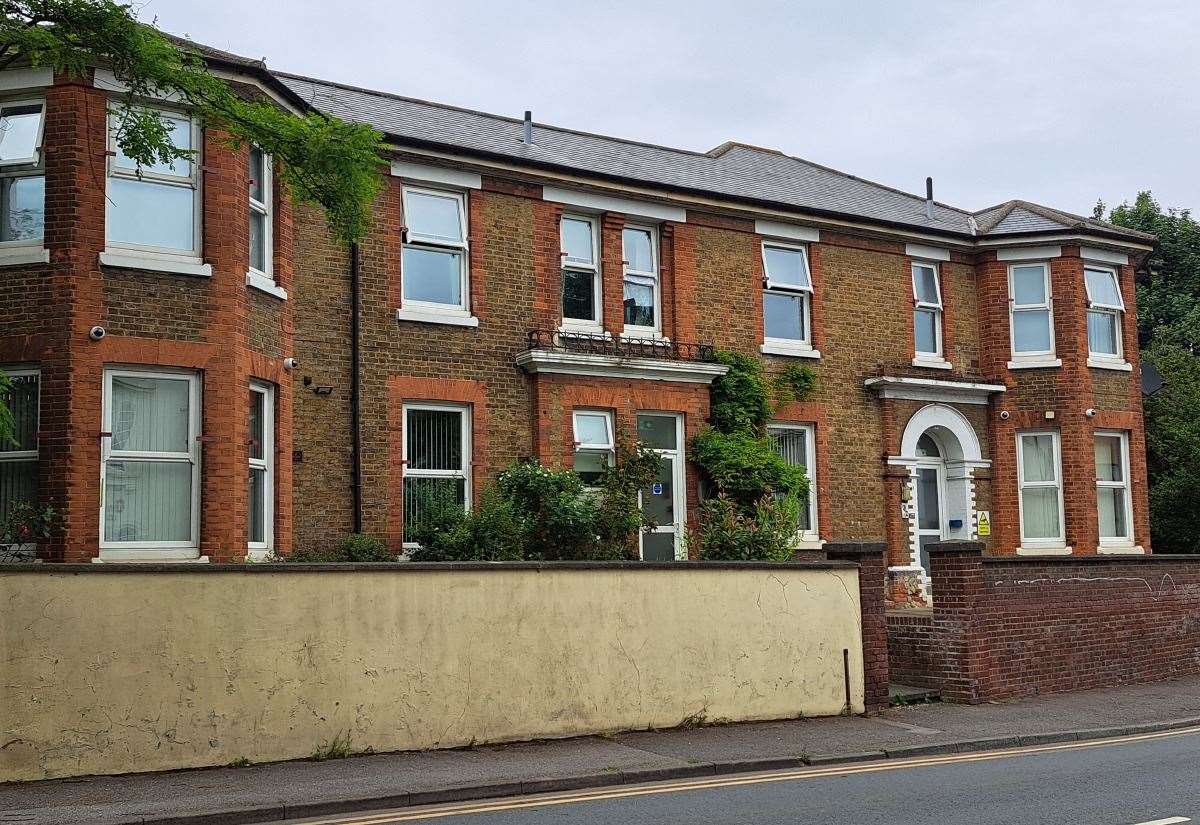
A probation hostel housing murderers and sex offenders, which has previously faced backlash over serious incidents involving residents, has been praised for making significant progress.
Fleming House in Tonbridge Road, Maidstone, received a rating of “good” following an inspection by HM Inspectorate of Probation in September.


However, inspectors warned the service was still “in a period of transition”, with concerns raised over staffing levels, staff training, medication management and the recording of important information.
The report, published today (November 4), said the premises had made progress under the leadership of a temporary area manager, who was appointed around five months before the inspection to oversee improvements.
Inspectors praised the manager’s approach, saying they had provided “clear direction and oversight during a period of significant change”.
It added that a “more positive and collaborative culture had begun to emerge”, with staff describing the manager as “visible, supportive and determined”.
Fleming House is an approved premises (AP), also referred to as a probation hostel, which accommodates men considered to pose a higher risk of harm following their release from prison, supervised by the Probation Service.
It is also a psychologically informed planned environment (PIPE), supporting people who have complex needs or personality-related difficulties.
The facility has the capacity for 30 men across 27 bedrooms, with 26 living there at the time of the inspection. The average stay is 57 days.
Failures at Fleming House were first exposed by a BBC Panorama undercover reporter in a programme broadcast in May 2024.
The reporter, who worked at the hostel for six weeks, found a number of shortcomings, including the alleged absconding of two convicted criminals, problems with equipment used to monitor sex offenders’ mobile phone usage, and failure by staff to properly carry out regular drink and drug testing.
Following the damning exposé, more than 500 neighbours signed a petition calling for the hostel to be closed.

In 2021, Fleming House resident Lance Colston attacked and killed Jason Orwin, a 55-year-old neighbour.
Also in 2021, a serial sex offender, who was staying there, was jailed for trying to groom a 13-year-old girl for sex.
In September 2020, sex offender Christopher Hatcher was living at the hostel when he attacked a teenage girl after following her home from the pub. He was returned to jail for seven years.
Following its latest inspection, inspectors found public protection arrangements were “good”, highlighting a strong working partnership between probation staff and police officers.
Regular meetings took place with police to review residents and identify any emerging risks.
However, the report states that the quality of public protection work was not effective “across all cases consistently”, with some examples showing weaknesses in “the exploration of concerns”.
Inspectors also praised the “constructive and collaborative” relationship between probation and NHS staff.
The report states residents were given opportunities to influence life at the premises through weekly community meetings, which had become “increasingly resident-led”.
Suggestions from residents helped to shape activities, including the introduction of meditation sessions to support mental wellbeing.
Inspectors found a range of rehabilitation opportunities are available at the hostel, including support with housing, employment, education, substance misuse and independent living.

Residents are able to access one-to-one psychological support as well as help from a social worker and occupational therapist.
Other activities included a weekly reading group and opportunities to take part in cultural and commemorative events.
At the time of the inspection, around a third of residents were engaged in employment, training or education in the community.
However, inspectors identified several areas where the service needed to improve.
While staff demonstrated a “strong commitment” to the continued development of the AP, resources were described as “stretched”.
The report adds: “Staffing pressures were particularly evident during evenings and weekends, when only two staff were routinely deployed within the premises.”
During these shifts, staff were responsible for monitoring CCTV, administering medication and completing welfare checks.
Inspectors said this reduced opportunities for “meaningful interactions” with residents.
The temporary area manager was also regularly having to undertake additional duties, resulting in “a broad and demanding workload”.
On one occasion during the inspection, the manager attended the premises early to relieve night staff because of shortages among residential workers.
‘The challenge now is to sustain the progress already achieved…’
The report warned that while this had helped maintain stability, the arrangements were “not sustainable in the longer term”.
Inspectors also rated safety as “requires improvement” after finding weaknesses in the management of suicide and self-harm risks.
While staff had responded appropriately to safeguarding concerns identified in five of the eight cases examined, reviews often lacked “sufficient depth”.
Medication management was another area of concern, with problems identified in record-keeping, audits, storage arrangements and oversight.
Inspectors noted that the CCTV system only retained footage for seven days, which would not help any potential future investigations.
Residents reported issues with communal toilets and showers, including blocked facilities, poor water pressure and delays in carrying out repairs.
Nine recommendations were made, and His Majesty’s Prison and Probation Service was urged to review staffing and management capacity, clarify future leadership arrangements and provide ongoing support to help improvements become established.
In the report’s foreword, HM Chief Inspector of Probation Martin Jones CBE said the findings should “provide reassurance to the local community that leaders had prioritised public protection and taken meaningful steps to strengthen arrangements for keeping people safe.”
He added: “The progress made at Fleming House reflected the commitment of staff and partners across the service to improving outcomes for residents.
“The challenge now is to sustain the progress already achieved.
“Much of the progress observed during this inspection was linked closely to the stability and leadership provided through temporary arrangements.
“Ensuring that this progress is sustained, and that the service retains the capacity and leadership needed to continue its improvement journey, will be critical to its future success.”
