




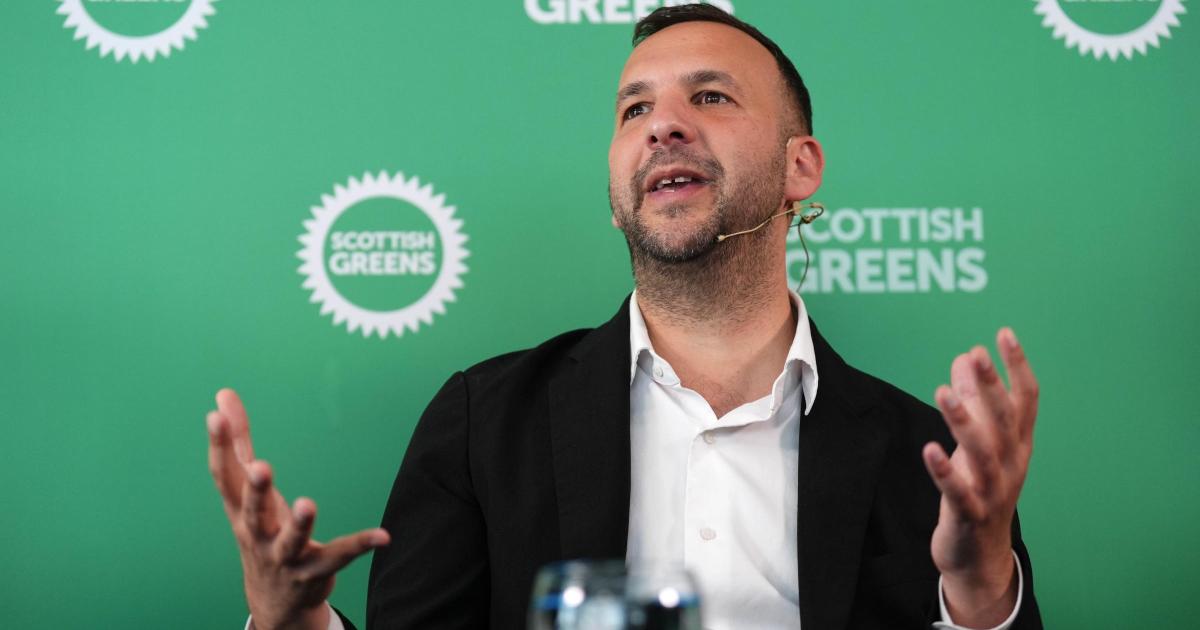

After the national Green Party voted for the motion at their conference in Brighton in early October, Labour issued an ultimatum insisting Green councillors disavow it.
Green councillors across Sussex have taken different responses to this challenge – while many distanced themselves from the motion, others also criticised Labour for issuing the ultimatum over it.
Labour has officially ended powersharing in several councils across the country, including Sussex, while also confirming it would continue for others.
Here we take a look at each Sussex council caught up in the controversy and where they stand.
Lewes District Council
The Green-Labour alliance at Lewes District Council ended on October 30, with Green councillors stating it was due to pressure from the national Labour Party.
The Lewes Green group had formally rejected the “Zionism is racism” motion, but also criticised Labour’s intervention.
Council leader Zoe Nicholson said: “It is with great sadness that I have to share that the co-operative alliance between the Green Group and Labour Group on Lewes District Council has mutually come to an end.”
However, Ezra Cohen, deputy leader of the Green group and, to his knowledge, the only Jewish councillor on Lewes District Council, said: “I find it galling, and frankly offensive, for the national Labour Party to demand that I prove, yet again, that I am not antisemitic, in order to allow their councillors to continue working with me.”
The former Green–Labour alliance comprised 25 seats. The Greens now have 18 seats without Labour, leaving them short of a majority.
Cllr Nicholson said: “I know we will stay working together on the council for the best interests of local people, albeit in different roles.
“I’ll be announcing changes in Cabinet roles in due course.”
The Lewes Labour Group declined to comment.
Wealden District Council
Wealden District Council is controlled by the Alliance for Wealden, involving the Green Party, Liberal Democrats, Labour, and an independent councillor.
The Wealden Greens distanced themselves from the national motion in an open letter October 23, stating: “To be clear, our Green Group does not support the ‘Zionism is Racism’ policy.”
Green councillor Rachel Millward, who is also a deputy leader of the national Green Party and who currently leads the council, also said she had voted against the motion because she believed it would be divisive.
The Wealden Greens said in an open letter: “We are disappointed that Labour might choose to undermine their councillors’ work for our communities.”
They added: “We hope our Labour colleagues are allowed to choose to continue to work in The Alliance with us rather than be pushed to make an exit.
“But if their hand is forced, we will accept their departure and we will continue to deliver for the people of Wealden.”
The Liberal Democrat group intends to continue working with the Greens regardless of Labour’s decision.
The Alliance for Wealden previously held 25 seats: 12 Liberal Democrats, 10 Greens, two Labour councillors and one independent.
With the two Labour councillors no longer part of the powersharing agreement, the remaining parties in the alliance still hold 23 seats – the number needed to maintain a majority.
Arun District Council
Arun District Council in West Sussex is governed by a Liberal Democrat-led cross-party administration involving Labour, Green, and independent councillors.
Labour has confirmed that it is withdrawing co-operation with the Greens.
The existing Liberal Democrat–Labour–Green–Independent administration held 30 seats, including three independents.
With Labour’s eight councillors set to leave that alliance, the remaining groups would have 22 seats, losing their majority.
Rother District Council
Labour and Green councillors will continue working together at Rother District Council in East Sussex.
The Rother Alliance is a cross-party administration bringing together Labour, Liberal Democrats, Greens, and independent councillors.
Rother’s three Green councillors previously distanced themselves from the national party’s policy, stating that it did not reflect their group’s position.
They have supported a two-state solution to the Israel–Palestine conflict, in contrast to the national motion’s support for a single democratic state.
They added in a statement: “we would welcome, at the earliest opportunity, for GPEX [the Green Party executive] to work with others towards rescinding and rejecting the ‘Zionism is Racism’ motion/policy.”
West Sussex County Council
The governing alliance at West Sussex County Council will also continue.
The alliance, led by Liberal Democrat Jay Mercer, holds 36 of the council’s 70 seats.
It includes five Labour and seven Green councillors.
Cllr Mercer confirmed in a meeting on October 16 that none of the seven Green councillors had supported the “Zionism is racism” motion, and that those who attended the conference voted against it.
He also revealed that Green group leader Ian Davey had written to the national Green Party leadership on behalf of the group, asking it to “urgently review the policy”.
He added: “The Greens in the council wish to reassure residents across West Sussex that they are committed, alongside their alliance colleagues, to representing, supporting and speaking up for everybody in our communities, regardless of their background, nationality or faith.”
Source link
[Featured]
[Just In]
