













| Updated:

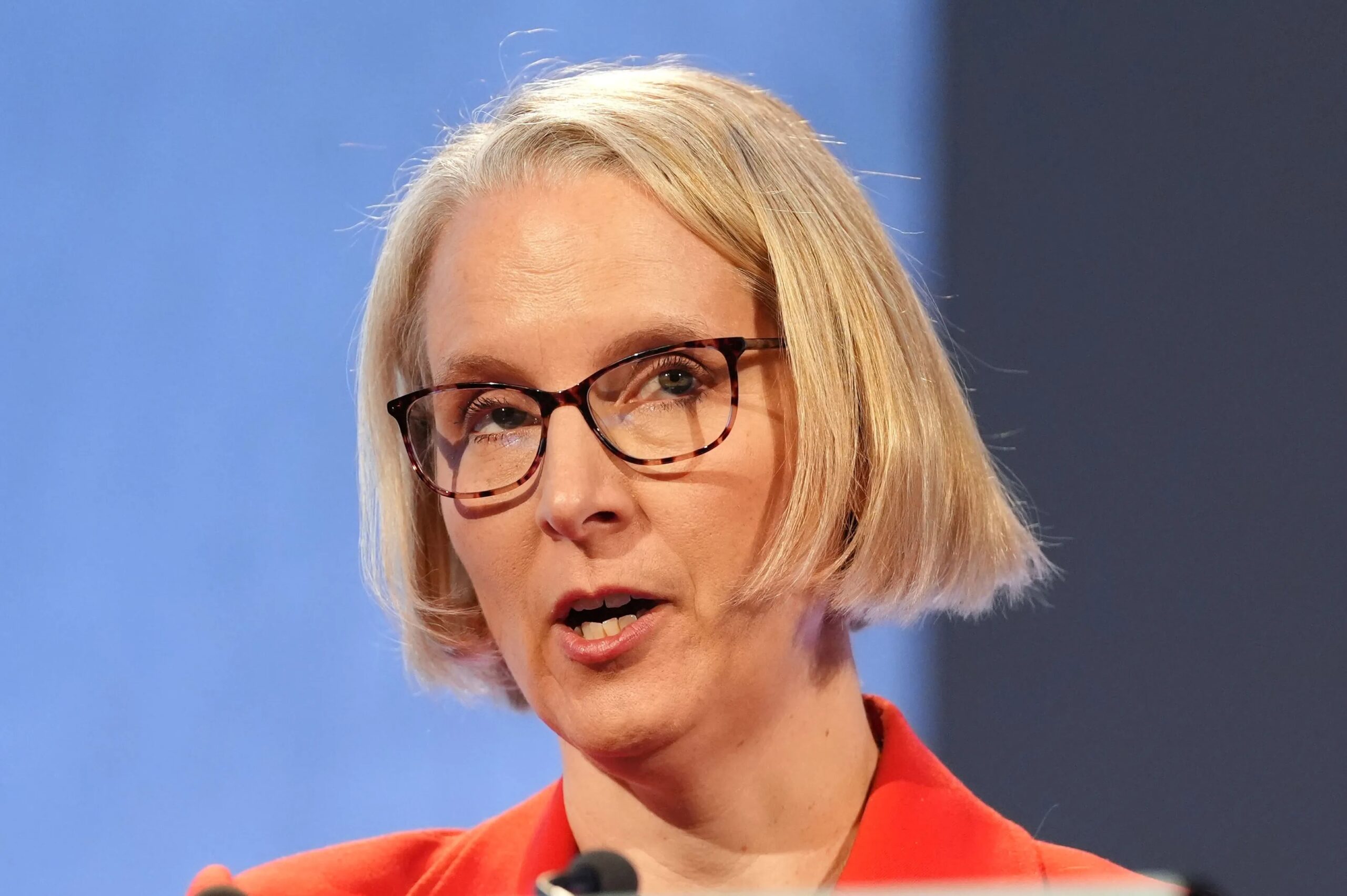
Environment secretary Emma Reynolds never met the investors behind a proposed Thames Water rescue package before slapping down their deal out of hand last month, City AM can reveal.
Reynolds, who is the minister responsible for water policy, has left officials in her department to meet representatives of a large creditors’ group which includes investment behemoths Apollo, Silverpoint Capital, Elliott Management and the Royal Bank of Canada, it is understood.
The Cabinet minister previously served as the City minister in the Treasury before a reshuffle took place in early September.
In a letter to Ofwat – the water regulator that is soon set to be scrapped – she raised concerns about a rescue deal offered by the consortium of creditors, known as London & Valley, amid fears that water and wastewater systems “may not be adequately protected”.
Thames Water is on the brink of being put into a special administration regime (SAR), a rarely-used insolvency process for vital companies that would lead the fledgling company to be nationalised on a temporary basis.
The utility company serves 17m customers across London and the South East but has been creaking under a £20bn debt pile and struggling to pay off more than £120m in fines for water pollution.
Its financial issues and problems relating to sewage have captured the attention of campaigners and Westminster policymakers. Lenders to the business have looked to fend off nationalisation threats amid warnings about extra costs being imposed on taxpayers and damaging effects on investment.
The likely next Prime Minister Andy Burnham has made no secret of his ambition to take “greater public control” over major utility firms, though he has suggested he hopes to work in “partnership” with the private sector.
A deal proposed by lenders would provide some £3.4bn in equity investment and up to over £6.5bn in debt financing. Some 30 per cent of the company’s existing debt owed to larger creditors would also be written off and dividends would not be paid for nine years, while existing fines would also be paid off.
Thames Water deal left to officials
Reynolds said in June that the offer could add an “undue cost” for consumers. Creditors say that the deal would not lead to any increase in water bills beyond those already set by Ofwat. A future stock market listing of the company could also add “significant transparency”, it said.
Labour ministers had said as recently as early June that they preferred a “market-based solution” yet a Downing Street spokesman said a SAR could be introduced to keep the business running.
During an address to parliament and in her letter to Ofwat, Reynolds made no mention of the government’s ambition for the private sector to rescue the firm.
However, officials still told creditors they believed a “market-based solution” remained the best scenario for Thames Water, according to a person familiar with the talks.
A Department for Environment, Food and Rural Affairs spokesperson said: “Thames Water customers have been let down for far too long, with 15 years of underperformance, increasing serious pollution, and customers left to pick up the bill.
“The secretary of state has written to Ofwat to outline her early views that she is not convinced the current proposal is good enough for consumers or the environment.
“We are prepared for any eventuality.”
A spokesman for the London & Valley Water Consortium: “Experienced turnaround investors, including some of the largest investors in UK water and infrastructure, have worked in good faith to design a highly ambitious long-term solution that recognises the full extent of Thames Water’s problems and protects customers and the environment.
“We are confident that our plan is by far the fastest route to improve outcomes for customers and the environment, without any Government funding or any cost to taxpayers. All other routes offer significantly worse outcomes for customers and the environment.”


