












| Updated:

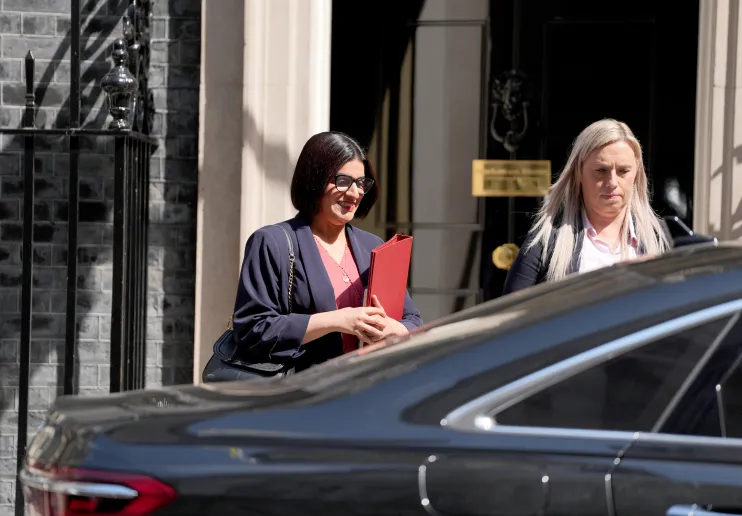
Home secretary Shabana Mahmood has unveiled plans for businesses and universities to sponsor refugees to come to Britain, as she seeks to shore up support for a wider asylum overhaul expected to face resistance from parts of Labour.
The Home Office said it would introduce new “capped safe and legal” routes from later this year, modelled partly on Canada’s private sponsorship system, which has resettled almost 400,000 refugees since 1979.
Under the proposals, trusted organisations including universities, churches, community groups and eventually employers would be able to sponsor refugees approved to come to the UK, helping them find housing, work and support after arrival.
The move comes as Mahmood prepares to bring forward an immigration bill next week containing tougher rules on human rights and modern slavery claims, including measures aimed at blocking what ministers describe as “vexatious” applications.
Mahmood said the reforms would protect “genuine refugees” while closing loopholes that had been “too often abused”.
“Britain has always offered sanctuary to those fleeing war and persecution,” she said. “But this system only survives if the public trusts that it is fair, controlled, and not open to abuse.”
Canada model under Labour pressure
The announcement seems to be designed to balance the harder-edged parts of Mahmood’s asylum package with a route aimed at Labour MPs and charities who have argued that the lack of legal alternatives helps fuel small boat crossings.
Applications for a university sponsorship route are due to open later this year, with first arrivals expected in 2027.
A separate refugee work route, allowing employers to sponsor refugees, is expected to open next year.
The Home Office has not said how many people will be allowed to arrive under the new schemes, but said numbers would be capped and start from a low base before eventually operating at a higher capacity than the existing UK Resettlement Scheme.
The department said it would work with the UN refugee agency to establish eligibility, with all applicants subject to background checks before arrival.
The reforms come as ministers remain under pressure to reduce the number of asylum seekers housed in hotels, which has become one of the most politically sensitive parts of the migration system.
Mahmood’s bill is also expected to tighten the definition of family life in immigration claims, restrict modern slavery protections for foreign nationals who have received custodial sentences, and introduce a stronger test making clear that deporting foreign national offenders is in the public interest.
The Home Office insisted Britain’s membership of the European Convention on Human Rights remained “firmly in our national interest”, but said the application of human rights law needed to be narrowed.
Conservative shadow home secretary Chris Philp said the plan would “make no difference” to small boat crossings, while Reform UK said it would reverse the sponsorship scheme if elected.
The Liberal Democrats described the new route as a “step in the right direction” but said more work was needed to reduce dangerous crossings.
The Community Sponsorship Alliance urged ministers not to make the scheme too narrow.
Leonie Ansems De Vries, its deputy chair, said the government should avoid eligibility rules that “stifle the very public goodwill that makes sponsorship work”.
The announcement lands amid tensions inside the Home Office after Mahmood clashed with immigration minister Mike Tapp over an unauthorised article arguing foreign care workers should be exempt from proposed visa changes.
Mahmood asked Sir Keir Starmer to sack Tapp, but Downing Street declined, saying the minister had instead been reminded of his obligations under the ministerial code.
The row has added to the political sensitivity around the bill, which is expected to become an early test of Labour’s direction on immigration ahead of Andy Burnham’s expected rise to Downing Street.


