













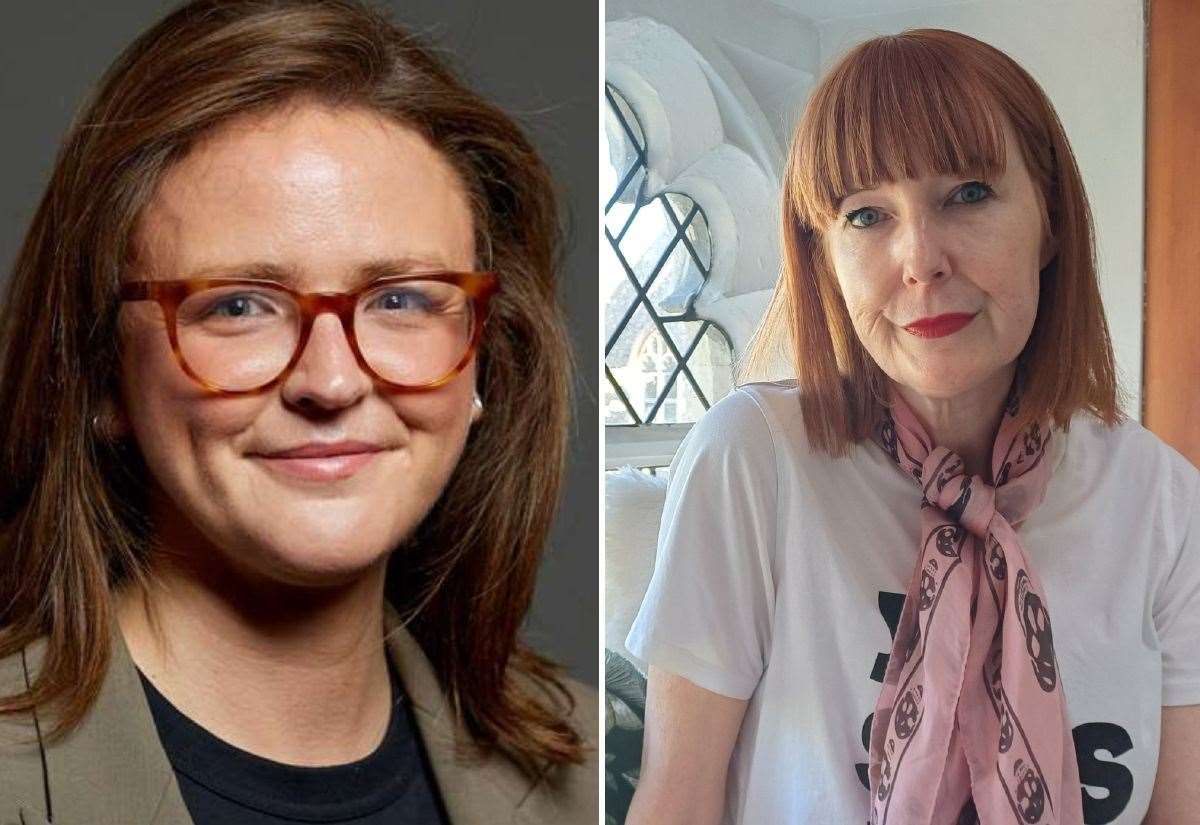
A Kent MP has thrown her support behind the assisted dying bill, calling it “one of the most important, compassionate and empowring changes to healthcare”.
It comes after the Terminally Ill Adults Bill was blocked from reaching the voting stage in the House of Lords back in April.


Labour politician Lauren Edwards was born in Victoria, Australia, which was the first Australian state to legalise assited dying before it became more popular across the country.
Having previously said she would back an assisted dying bill, Ms Edwards, who represents Rochester and Strood, has decided to put the bill as her private members bill.
In a statement she said: “It is a great privilege to have come second in the ballot for Private Member’s Bills. This is a rare opportunity to present legislation that can make a real difference not just to my constituents in Rochester and Strood but also for the country.
“After giving the matter a great deal of thought, I will be reintroducing the Terminally Ill Adults (End of Life) Bill. This long overdue change to the law was supported by MPs during the last session of parliament and was prevented from passing only by the decision of a minority in the House of Lords to talk it out and stop it coming to a vote.
“I believe it is a fundamental democratic principle that the elected chamber, the House of Commons, should decide what does and does not become law in this country. We owe it to all those terminally ill people and their families who are depending on this Bill to ensure that parliament can come to a final decision on the question of choice at the end of life. And I believe it undermines public trust in our democracy more widely if we cannot deliver on a measure that is supported by a very large majority of voters in all parts of the country.”


Ms Edwards added: “My fellow MPs in all parties took a huge amount of care and attention before deciding how to vote on the legislation. They considered the evidence presented during the lengthy committee sessions, consulted their constituents and listened to those with personal experience of the injustice and cruelty in the law as it now stands.
“We did not take our decision lightly and, as the elected chamber, we had a right to expect that decision to be respected by the Lords, whose job it is to revise legislation not to block it.
“It was rightly described as the safest and most robust assisted dying law anywhere in the world. And it still is.
“The official independent Impact Assessment examined it to ensure it was workable, effective and enforceable. Ministers made clear that if it was passed, the government would implement it.
“If MPs pass it again, as I believe they will, it will go back to the Lords who will then be asked to finish the job they should have completed earlier this year. They will be free to amend the Bill if they wish and return it to the Commons to decide whether and in what form the Bill should become law. That is how democracy works.”


Dignity in Dying chief executive, Sarah Wootton, said: “This announcement will come as an enormous relief to terminally ill people and their families. After decades of campaigning, and historic parliamentary progress towards giving dying people proper choice and protection at the end of life, many feared that law change had been derailed despite the clear support of both the public and elected MPs.
“Lauren Edwards’ decision ensures that this vital conversation can continue. Every day, dying people are forced to endure suffering they would not choose, while others take desperate measures because the law offers them no safe, compassionate alternative. They deserve better.”
Elise Burns, from Faversham, is living with secondary breast cancer and has spoken publicly about the urgent need for greater choice at the end of life.
She said: “Like so many terminally ill people, I know that time is precious. That’s why Lauren Edwards’ decision means so much. It offers hope that parliament has not given up on dying people.
“The public overwhelmingly believes dying people should have choice, compassion and dignity at the end of life. We are not asking for special treatment; we are asking for the same peace of mind that people in other jurisdictions already have. I am grateful that Lauren is prepared to continue this work and listen to the voices of those most affected.”


