




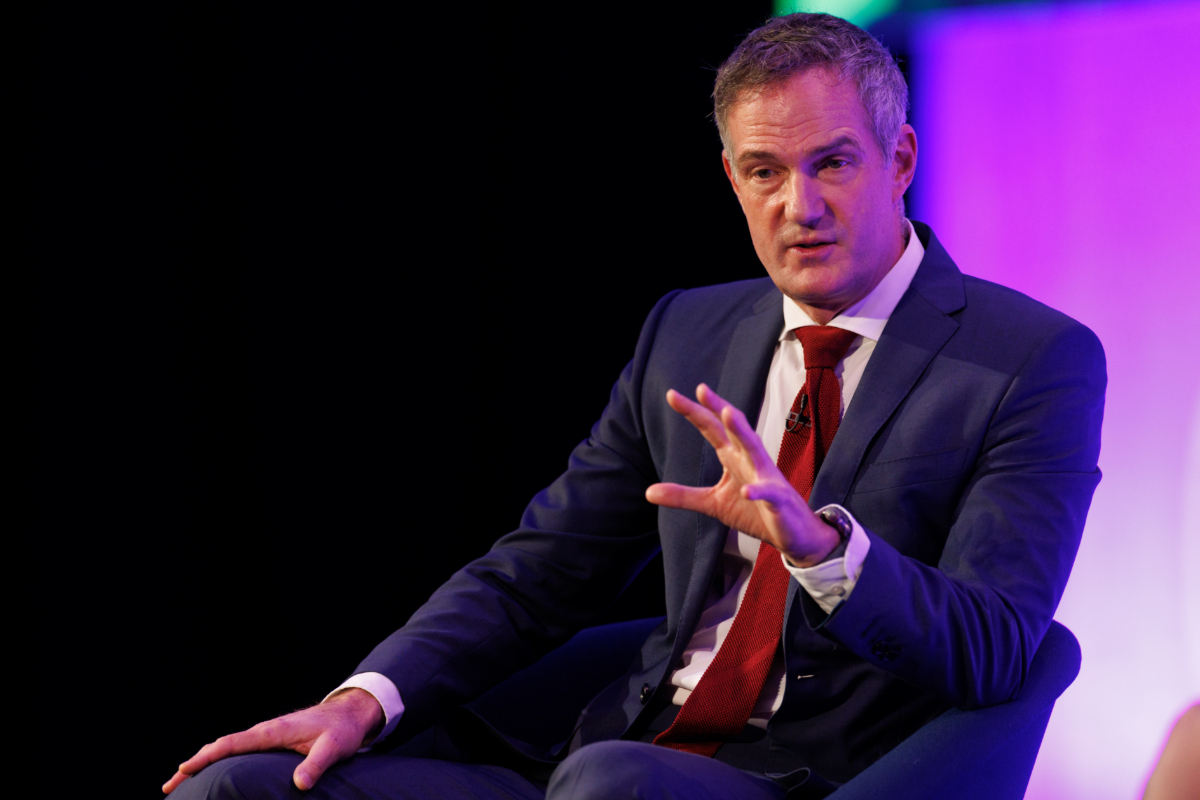
The government is preparing to take larger stakes in Britain’s fastest-growing companies as Peter Kyle ramps up Labour’s efforts to turn the state into a more active backer of private enterprise.
Ahead of London Tech Week, the business secretary said ministers would become more willing to deploy taxpayer money alongside private investors, arguing that government needs to take greater risks if Britain is to keep hold of its most successful technology companies.
“You are going to start to see us take more risks,” Kyle told The Sunday Times. “I want us to be aggressively ambitious.”
The comments signal a significant shift in Labour’s industrial strategy, with ministers increasingly focused on helping homegrown startups scale into multi-billion-pound businesses rather than watching them move overseas or list abroad.
The move comes as London re-establishes itself as Europe’s leading tech hub, overtaking Paris after a surge in AI investment and a renewed influx of global capital.
According to Dealroom, startups in the capital raised $17.7bn (£13.3bn) last year, while AI investment almost doubled to $7bn as firms including OpenAI and Anthropic expanded their UK presence.
Yet ministers remain frustrated by the UK’s track record of producing world-class companies only to see many of them scale elsewhere.
Cambridge chip designer Arm remains the most prominent example. The company listed in New York rather than London and is now worth around $370bn.
Kyle said government backing should come with a more active partnership.
“This government isn’t going to sit aside from the businesses we are backing,” he said.
Betting on high-growth British firms
The business secretary’s vision would see Whitehall move beyond offering grants and tax incentives and instead befcome a more engaged investor in high-growth firms.
Recent examples includes a £25m investment into Kraken, the tech arm of Octopus Energy, and another £25m commitment through the British Business Bank into self-driving tech company Wayve.
Kyle argued that once government has invested in a company it should also help remove bureaucratic barriers preventing growth.
He cited Wayve, where officials have reportedly intervened to help navigate regualtory obstacles despite legislation already alloweing autonomous vehicle trials.
The approach reflects growing concern inside government that Britain excels at creating innovative companies but struggles to provide the capital and support required for them to become global champions.
The push also omes as ministers seek to demonstrate a more interventionist growth strategy amid fierce international competition for tech investment.
Governments across Europe and North America have become increasingly willing to deploy public money to support strategically important sectors like AI, clean tech or defence.
The UK has faced crticisim for business groups in recent months for moving too slowly in some sectors.
A survey published last week by TechUK found that 73 per cent of dence tech companies said market conditions had deteriorated over the past year, while nearly nine in ten reported funding delays or reductions linked to uncertainty over government investment plans.
Kyle appears determined to avoid similar complaints from Britain’s tech sector.
Government sources say ministers are also exploring a concierge-style service that would give fast-growing companies a single point of contact inside Whitehall to help navigate regulation and secure support.
