




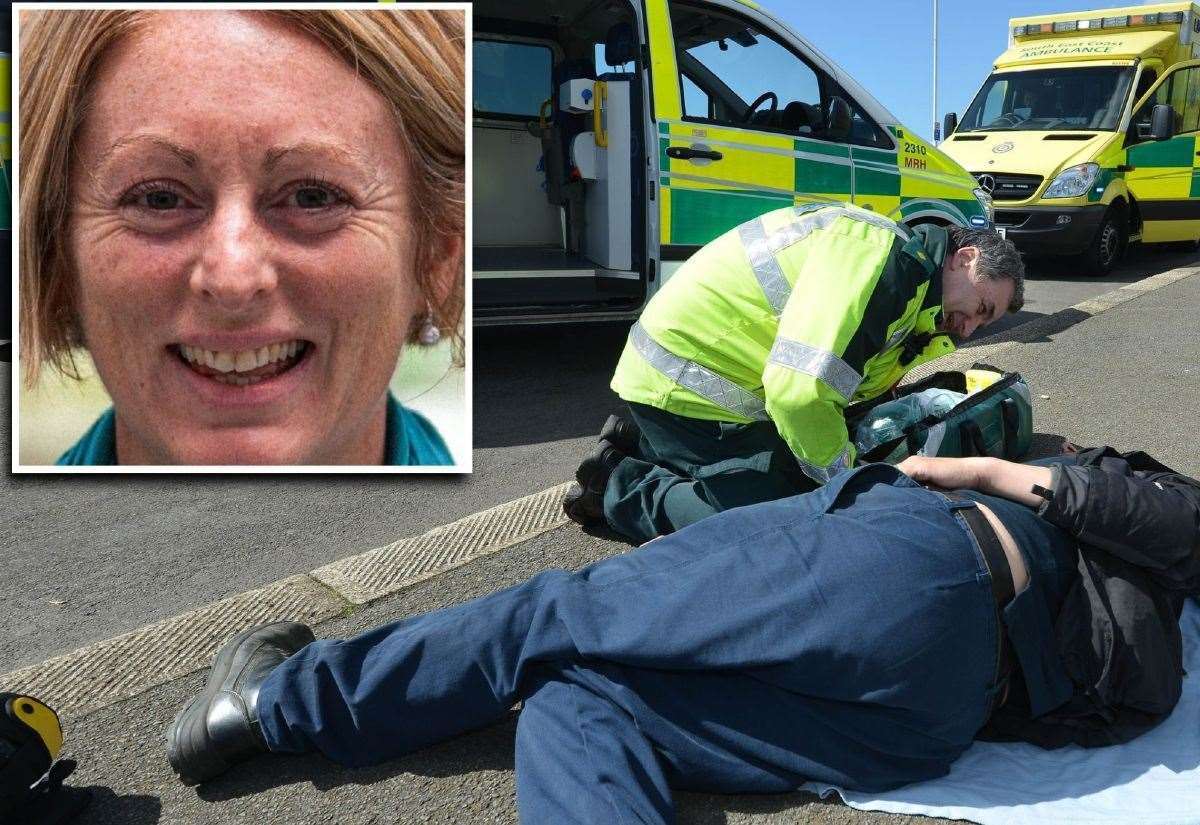
Ambulance staff have been praised by the healthcare watchdog for improving its service to patients – but inspectors say concerns remain after dirt was spotted in several areas and blood discovered on a stretcher.
South East Coast Ambulance Service (Secamb) has seen its ratings improve in two areas following inspections by the Care Quality Commission (CQC) in September and November.


The report has seen the service – the NHS ambulance trust covering much of south east England – given ‘good’ ratings for safe, effective, responsive and well-led emergency operations.
Meanwhile, emergency and urgent care has also been awarded good, improving from requires improvement.
However, CQC chiefs say the trust was found in breach of one regulation, relating to overall management of the urgent and emergency care service.
The inspection was carried out to assess whether the trust had made improvements since its previous inspection in 2022, when CQC found staff working extra hours, getting increasingly sick and not feeling “respected, valued or supported”.
Three breaches of regulations relating to safe care and treatment, staffing and overall management of the services were found four years ago.
But inspectors say staff are now giving patients safe, person-centred care, and are working effectively together and with NHS staff in emergency departments.

They noted teams had a strong understanding of how to protect people from abuse and applied safeguarding processes consistently.
Leaders were also said to have worked hard to improve the culture across both services, with a 2024 staff survey revealing 50% of staff would now recommend the organisation as a place to work compared to 31% in 2022.
CQC’s deputy director of hospitals, secondary and specialist care in the south east, Amanda Williams, said: “At this inspection, we were pleased to find South East Coast Ambulance Service NHS Foundation Trust had made some significant improvements since our last visit.
“It was positive to see the trust putting people at the heart of their care and treatment.
“In emergency and urgent care, people told us staff had been kind and respectful and they felt safe.
“In one example, we saw an ambulance crew caring for someone with dementia, who thought they were in a busy shopping centre instead of an emergency department. The crew went along with this, which kept the person calm and reduced their anxiety.

“Leaders had also fostered a positive learning culture, where managers investigated incidents and shared learning with staff to promote good practice and continuous improvement.
“For example, managers in the emergency operations centre noticed clinical assessments for people with mental health needs were often delayed, so they trialled prioritising these calls. Early data indicated this was resulting in positive outcomes for people.”
However, the service was found to be cleaning ambulances less often, with inspectors finding visible dirt in some areas and traces of blood on one ambulance’s stretcher.
It was also unclear how the service was managing risks or taking important decisions, with risk assessments not carried out when they suspended the deep cleaning of ambulances and no specialist teams involved in the decision-making process.
A significant proportion of staff still lacked confidence that leaders would respond effectively when concerns were raised.
Ms Williams added: “The trust was implementing significant changes to how it was organised and run, and staff described an ongoing disconnect between senior leaders and frontline teams, who didn’t feel fully included in decision-making.

“Staff wellbeing can impact the standard of care people receive so it’s important leaders address this.
“We also found some concerns with the systems leaders had in places to monitor and make decisions about the services and we’ve told them where these need to be more robust.
“The trust should look to build on these improvements and we’ll continue to monitor them to ensure this happens.”
Last month, Secamb’s chief executive, Simon Weldon, stepped down after three years.
A spokesperson for the trust said: “Simon provided a clear vision through the development of a clinically led five‑year strategy”.
New interim boss, Jen Allan, says she recognises there remains more to do to further strengthen the service following the report.
She explained: “This is an important moment for the trust and a real reflection of the hard work, professionalism and commitment shown by colleagues every single day.
“The improvements are making a real difference for patients and communities and reflect the direction of our clinically-led strategy, which is helping us build a stronger, more responsive service focused on ensuring patients get the right care for their needs, first time.
“But we know there is still more to do. We are determined to build on our progress so that our teams are given everything they need to consistently provide the high-quality of service our patients deserve.”
