




Pull requests are fixes or updates to existing software that are submitted for review before they go live. They are the bread and butter of software development, the chunks of code that most professional developers spend their lives writing—or did until now.
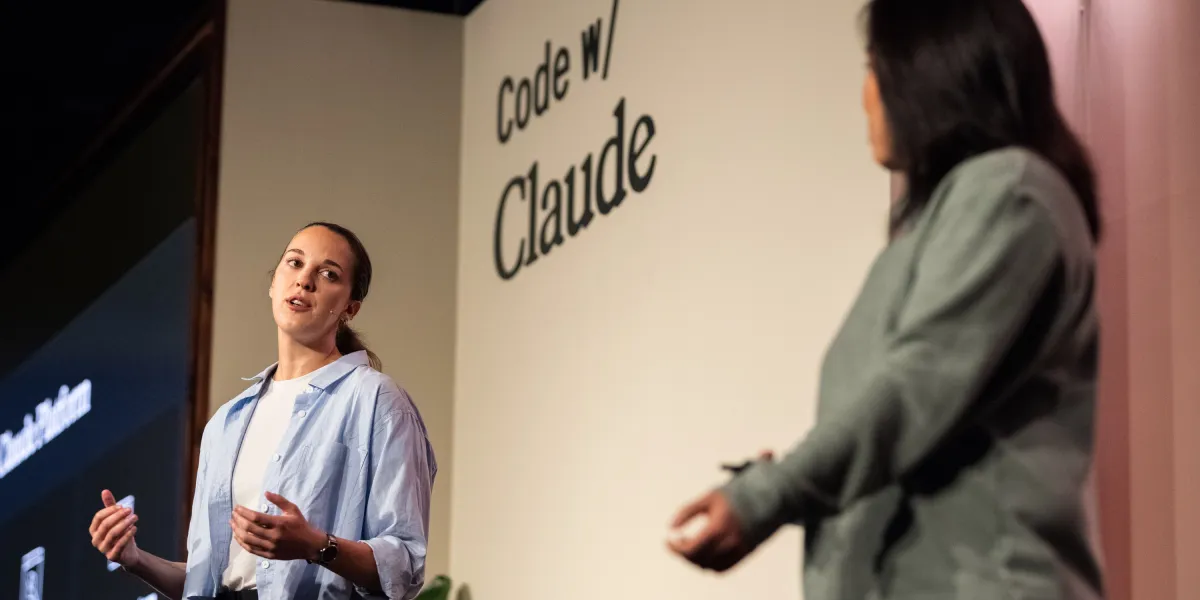
“Who here has shipped a pull request that was completely written by Claude where they did not read the code at all?” Hadfield asked next. Nervous laughter. Most of the hands stayed up.
It’s not news that LLM-powered tools like Anthropic’s Claude Code and OpenAI’s Codex have upended the way software gets made. Top tech companies now like to boast of how little code their developers write by hand. (“Most software at Anthropic is now written by Claude,” Hadfield said. “Claude has written most of the code in Claude Code.”) OpenAI, Google, and Microsoft make similar claims. Many others wish they could.
Even so, it is striking how normal this new paradigm already seems, and how fast it has set in. This was the second year that Anthropic has put on developer events, which also run in San Francisco and Tokyo. This time last year, the company had just released Claude 4. It could code, kind of. But with Anthropic’s latest string of updates—especially Claude 4.6 and then 4.7, released in February and April—Claude Code is a tool that more and more developers seem happy to hand their work off to.
ANTHROPIC (GRAPHIC) / WILL DOUGLAS HEAVEN (PHOTO)
Anthropic says its goal is to push automation as far as it will go. Instead of using AI to generate code and then having humans clean it up and fix the mistakes, it wants Claude to check and correct its own work. “The default isn’t ‘I’m going to prompt Claude’—the default is now ‘I’m going to have Claude prompt itself,’” Boris Cherny, who heads Claude Code, said in the opening keynote.
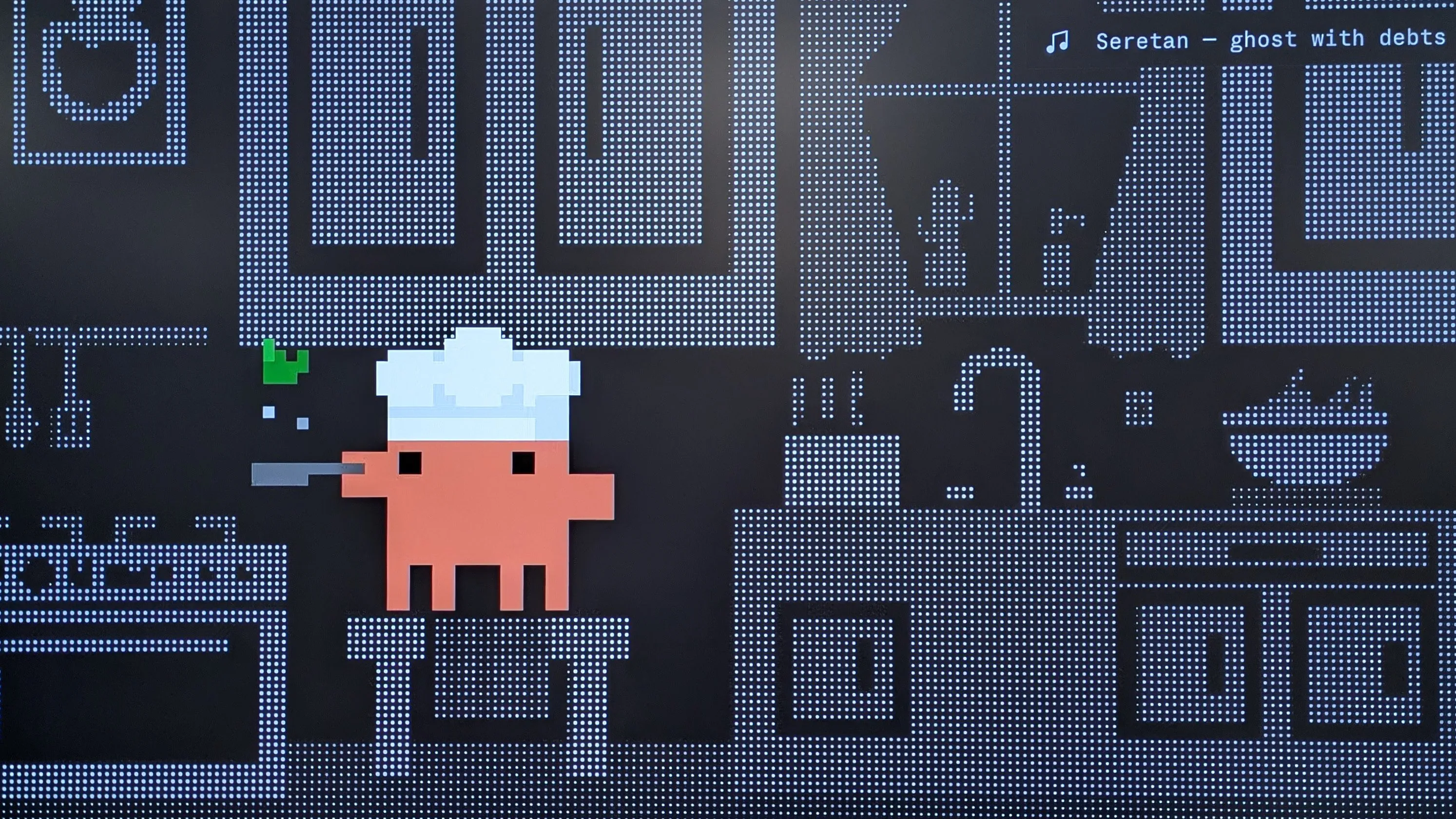
If all goes well, human developers shouldn’t even see the error messages when something doesn’t work. That will all be handled by Claude, which will test and tweak, test and tweak, until everything runs as it should. As Ravi Trivedi, an engineer at Anthropic, put it in another talk: “The key principle is getting out of Claude’s way. We like to say: ‘Let it cook.’”
Trivedi presented a new feature in Claude Code, announced two weeks ago, which Anthropic calls dreaming. Claude Code agents write notes to themselves, recording and saving useful information about specific tasks. When another coding agent later starts to work on the same code, it can use the notes to get up to speed faster and learn from any errors that previous agents may have made.
Dreaming is a system that Claude Code uses to read through all these notes and consolidate the information they contain, spotting patterns and common issues across different tasks. In theory, dreaming should help Claude Code learn about a particular code base and get better and better at working on it.
