










Imagine if 2026 became the year you finally cracked the code to lasting weight loss. The secret? It could be hidden in your gut. New science is uncovering how the trillions of bacteria inside you play a decisive role in the connection between weight loss and gut health.
This guide reveals how focusing on your gut microbiome can transform your results, making weight loss more effective and sustainable. You’ll discover why gut health matters, which bacteria are key, and how your daily habits shape your journey.
Ready to unlock a healthier future? Dive in for science-backed strategies, practical steps, and expert insights to help you succeed.
The Gut-Weight Connection: Why Your Microbiome Matters


Step into the world within your gut, where trillions of tiny organisms are quietly shaping your health, mood, and even your weight. Imagine a bustling city, with every street and building filled with microscopic life. This is your gut microbiome. If you’re serious about weight loss and gut health, understanding this inner ecosystem is the first step to real, lasting change.
The gut microbiome is a complex community of bacteria, viruses, fungi, and other microbes living in your digestive tract. Recent research has shown just how much these organisms influence your digestion, metabolism, and the number of calories your body absorbs from food.
Let’s break it down. When you eat, your gut bacteria help digest parts of your food that your own enzymes can’t touch. They produce enzymes that break down complex fibres, turning them into nutrients and energy. Some bacteria are better at extracting calories from food, so two people can eat the same meal and absorb different amounts of energy. That’s why gut health and weight loss are not just about willpower or calorie counting: it’s about the microscopic helpers working behind the scenes.
Scientists have made fascinating discoveries by transplanting gut bacteria from obese individuals into mice. The result? The mice gained weight, even without changing their diet. In contrast, mice that received bacteria from lean individuals stayed slim. This experiment shows how the makeup of your gut microbiome can tilt the scales, quite literally, in your weight loss journey.
What makes these bacteria so powerful? It’s all in their genes. Your gut microbes boast 250 to 800 times more genes than you do. These genes allow them to produce a wide range of substances, some of which can influence how your body stores fat, regulate appetite, and manage blood sugar. For example, certain bacteria create short-chain fatty acids that signal your body to burn more fat or feel fuller for longer.
When the balance of your gut microbiome is disturbed, a state called dysbiosis, it can lead to trouble. Dysbiosis often triggers low-grade inflammation, which is closely linked to stubborn weight gain and difficulty losing fat. If you’ve ever felt stuck on your weight-loss and gut health journey, chronic inflammation might be part of the reason.
But the gut’s influence doesn’t stop with your waistline. A healthy gut supports your immune system and even helps regulate your mood, thanks to the gut-brain axis. People with diverse, balanced microbiomes report not only better weight management but also improved energy and emotional well-being.
Real-life stories back up the science. Many people who focus on building a healthier, more diverse gut microbiome find that weight loss comes more naturally and is easier to sustain. It’s not magic, it’s the result of supporting the microscopic community inside you. By making gut health your priority, you’re laying the foundation for a happier, healthier you.
Key Gut Bacteria for Weight Loss: The Science Explained
Ever wondered why some people seem to lose weight more easily than others, even when they eat similar foods? The secret may lie in your gut. The science of gut health has exploded in recent years, revealing an unseen cast of characters living inside us that can tip the scales in our favour, or against us.

Types of Gut Bacteria and Their Roles
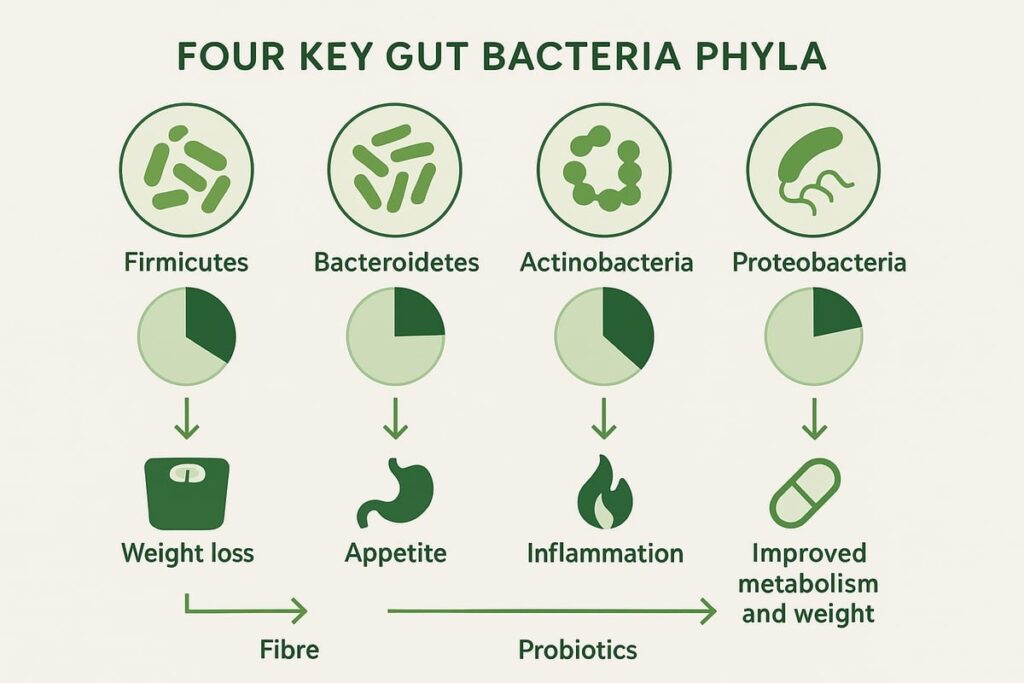
Your gut is home to trillions of microbes, but only a few main groups play central roles in weight loss and gut health. The four most influential phyla are Firmicutes, Bacteroidetes, Actinobacteria, and Proteobacteria. Each group has a unique job, shaping how your body digests food and stores energy.
Here’s a handy table to break down their key roles:
| Bacterial Phylum | Main Function | Link to Weight |
| Firmicutes | Energy harvest, fat storage | High levels are often found in obesity |
| Bacteroidetes | Fibre breakdown, SCFA production | Higher ratio linked to leanness |
| Actinobacteria | Support gut lining, reduce inflammation | May help prevent weight gain |
| Proteobacteria | Immune system interaction | Excess linked to inflammation |
The Firmicutes/Bacteroidetes ratio is significant. Research shows that people with more Firmicutes and fewer Bacteroidetes tend to extract more calories from the same amount of food, making gut health for weight loss a real challenge for some. In one striking study, gut bacteria from obese individuals were transplanted into mice; those mice gained more weight than those given bacteria from lean donors.
Some bacteria, like Akkermansia muciniphila, help strengthen the gut lining and may reduce body fat. Others, such as certain Lactobacillus and Bifidobacterium strains, can influence hormones that control appetite. These bacteria also help dampen gut inflammation, a hidden factor behind stubborn weight gain.
Studies in both humans and animals keep pointing to the same conclusion: a balanced, diverse microbiome is linked to easier weight control. If you want to make gut health part of your strategy, knowing which bacteria live in your gut is a powerful first step.
How Gut Bacteria Influence Weight Regulation
So, how exactly do these microscopic residents shape your weight-loss and gut-health journey? One key way is through fermentation. When you eat fibre, certain bacteria break it down into short-chain fatty acids (SCFAs) that help regulate fat storage and signal fullness to your brain.
Gut bacteria also impact how your body handles sugar. They can improve insulin sensitivity, meaning your body manages glucose more efficiently and is less likely to store excess energy as fat. Some bacterial metabolites even influence cravings, helping you feel satisfied with smaller amounts of food.
Recent data shows that boosting beneficial bacteria through diet or lifestyle changes can reduce body fat and improve blood sugar levels. However, a poor diet or frequent antibiotic use can wipe out these helpful microbes, making weight loss and gut health much harder to achieve.
In fact, emerging research suggests that the unique mix of bacteria in your gut may determine how well you respond to different weight loss approaches. For example, a recent study found that people with a more diverse microbiome had greater success losing weight, even when following similar diets.
To sum up, supporting your gut bacteria is about more than digestion. It can tip the balance towards easier, more sustainable weight control, and set the stage for better health all around.
Diet, Lifestyle, and the Microbiome: Building a Gut-Friendly Routine
Imagine waking up energised, feeling lighter, and knowing your daily choices are working with your body rather than against it. That is the promise of focusing on weight loss and gut health. What you eat and how you live do not just influence your waistline; they shape the entire ecosystem inside you. Let’s uncover how simple changes can transform your journey.
Foods That Support a Healthy Gut and Weight Loss
Every meal is an opportunity to nurture your inner world. The story of weight loss and gut health often begins in the kitchen. Picture someone starting their day with creamy overnight oats topped with berries, then adding a tangy spoonful of kimchi to their lunch. These small choices feed the trillions of bacteria that help regulate your metabolism.
The best foods for weight loss and gut health are rich in prebiotics and fibre. Prebiotics are found in onions, garlic, leeks, asparagus, bananas, and oats. These ingredients act as food for your good gut bacteria, helping them thrive and crowd out less helpful strains.
Probiotic foods like yoghurt, kefir, sauerkraut, kimchi, and miso introduce live beneficial bacteria straight into your system. Polyphenol-rich foods, such as berries and green tea, also support a balanced microbiome.
Studies have shown that diets high in fibre and fermented foods are linked to lower rates of obesity and improved gut health. In fact, a systematic review of dietary alteration of the gut microbiome and its impact on weight and fat mass found that what you eat can shift your gut bacteria profile, directly influencing your body’s ability to lose weight. Adding variety is key; aim for at least 30 different plant foods a week to keep your gut garden flourishing.
Lifestyle Habits That Shape Your Microbiome
The journey to better gut health is not just about what is on your plate. Imagine a character who swaps their evening screen time for a brisk walk in the park, and finds themselves sleeping better, waking up happier, and even noticing their cravings subside.
Regular physical activity increases the diversity of your gut bacteria, which is linked to a healthier weight. It does not have to be intense; cycling, yoga, or even dancing around the living room can make a difference. Aim for at least 30 minutes most days.
Quality sleep is another pillar. Consistently getting 7 to 9 hours helps your gut bacteria maintain their own rhythms, which can influence your metabolism. Stress is a silent disruptor, so building habits like meditation, deep breathing, or journaling helps nurture both your mind and your microbiome.
Hydration and mindful eating also play subtle but powerful roles in weight loss. Drinking enough water keeps your digestive system moving, while slowing down at meals can improve digestion and help you tune in to real hunger cues.
Consistency is crucial. The most dramatic changes come not from overnight overhauls, but from small, repeated actions that rewrite your story over months and years.
Common Pitfalls: What to Avoid for Gut and Weight Health
Every hero’s journey has obstacles, and the path to lasting gut health is no exception. One common pitfall is the overuse of antibiotics and unnecessary medications, which can wipe out beneficial bacteria and set back your progress.
Fad diets that dramatically restrict fibre or essential nutrients might promise quick results, but they often lead to imbalances in your gut flora. Extreme calorie restriction can reduce your microbiome’s diversity, making it harder to lose weight and keep it off.
Chronic stress and poor sleep can also sabotage your efforts, creating a vicious cycle. People who fall into yo-yo dieting patterns often find that each cycle makes it harder to maintain a healthy gut and steady weight. These setbacks can feel discouraging, but they are not the end of the story.
Instead, focus on sustainable choices and remember that avoiding these pitfalls is just as important as adding new habits. Your weight loss gut health journey is about building a resilient, thriving ecosystem inside you—one decision at a time.
Step-by-Step Guide: Unlocking Better Results Through Gut Health
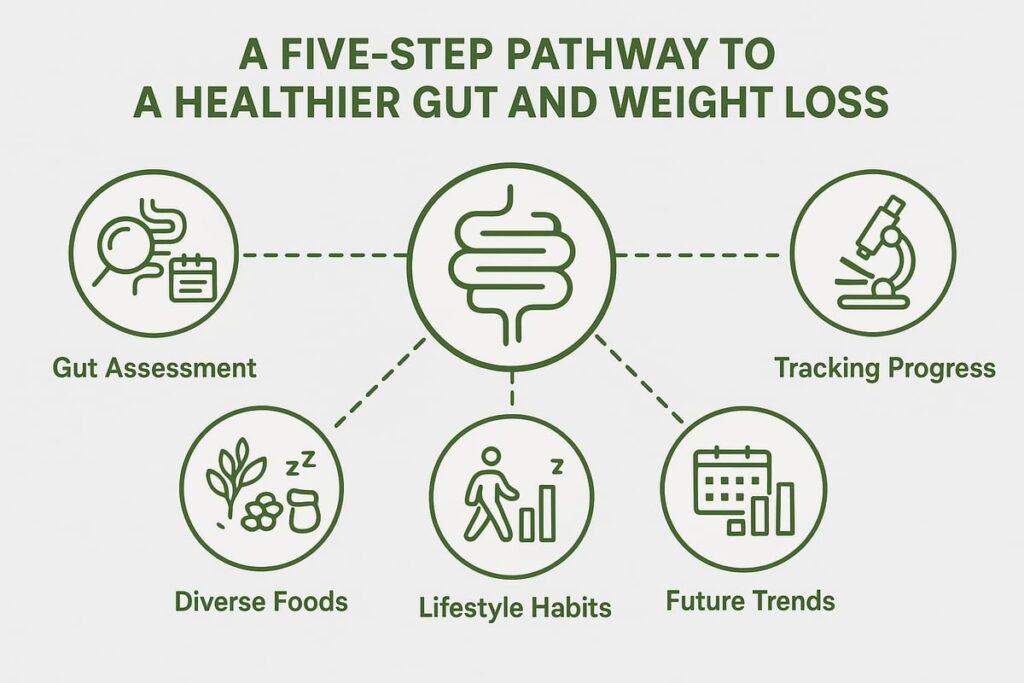
Are you ready to transform your weight loss journey by unlocking the power of your gut? Let’s walk through a practical, step-by-step guide designed for real results. Each step builds on the last, helping you personalise your approach and stay motivated as you make lasting changes for weight loss and gut health.
Assess Your Current Gut Health
The journey to better gut health begins with self-awareness. How do you know if your gut is out of balance? Look for signs like bloating, irregular digestion, low energy, or constant cravings. These symptoms can be your body’s early warning system.
Start by keeping a food and symptom diary for a week. Jot down what you eat, how you feel after meals, and any digestive issues. This simple habit can reveal patterns that might surprise you.
If your symptoms are persistent, don’t hesitate to consult a healthcare professional. They can help you rule out underlying issues and guide you in your next steps for gut health. There are also at-home gut health tests available, which can provide a snapshot of your microbiome, but always interpret results with a professional’s support.
Taking stock of where you are now is the foundation for lasting results. Knowing your baseline lets you track changes and celebrate improvements along the way.
Optimise Your Diet for Gut Diversity
A vibrant, diverse microbiome is the secret weapon for gut health. Aim to include a rainbow of prebiotic and probiotic foods in your daily meals. Think onions, garlic, leeks, oats, bananas, yoghurt, kefir, and kimchi.
Set yourself a challenge: can you eat 30 different plant foods in a week? This variety gives your gut bacteria the fibre and nutrients they need to thrive. Here’s a quick meal inspiration table:
| Meal Idea | Gut-Friendly Ingredient |
| Overnight oats with berries | Oats, mixed berries, seeds |
| Vegetable stir-fry | Broccoli, peppers, carrots |
| Salad with kimchi | Leafy greens, kimchi, nuts |
Cut back on processed foods and added sugars, as these can harm your beneficial bacteria. If you’re considering a new diet, weigh the pros and cons of dieting first to ensure your choices support both weight loss and gut health.
Diets high in diverse fibres have been shown to improve weight outcomes and foster a resilient gut, making this step crucial for your progress.
Incorporate Lifestyle Habits That Benefit Your Microbiome
What you do outside the kitchen matters just as much for weight loss. Daily movement, such as brisk walking, cycling, or yoga, can boost your microbial diversity and energy levels.
Prioritise 7 to 9 hours of quality sleep each night. Poor sleep can disrupt your gut bacteria and make weight loss harder. Try winding down with a book or a meditation practice before bed to improve your sleep.
Stress is another silent saboteur. Journaling, deep breathing, or even a few minutes of mindfulness each day can reduce stress hormones that negatively affect your gut. Limiting screen time before bed helps support both gut health and restful sleep.
Real-life stories show that people who commit to these habits often see improvements in both their mood and their weight loss. Consistency is your ally here, so celebrate every small step forward.
Monitor Progress and Adjust as Needed
Tracking your journey is where science meets storytelling. Record your weight, digestion, energy, and mood over time to see how your weight-loss efforts are paying off.
Schedule regular check-ins every two to four weeks. Are you noticing less bloating? More energy? If not, adjust your fibre intake, try a new probiotic food, or tweak your exercise routine. Sometimes, a small change can lead to significant results.
If you’re experimenting with calorie reduction, remember that extreme diets can disrupt your microbiome and slow progress. Studies show that drastic restriction may change your gut in ways that make weight loss harder to maintain.
Reach out to a professional if gut or weight issues persist. Patience is key, as improvements in gut health can take several weeks or even months to become noticeable.
Stay Informed About Future Gut Health Trends
The science of weight loss and gut health is moving fast. Personalised nutrition, postbiotics, and targeted probiotics are emerging as exciting tools for tailoring your approach.
Microbiome testing is becoming more accessible, offering insights that could help you choose foods and habits that work with your unique biology. Keep an eye on trends like “fibremaxxing” and the rise of functional foods designed to feed your gut.
For the latest evidence-based updates, follow reputable sources such as Harvard Health, the NHS, or explore the role of gut microbiota in obesity and future therapeutics from Mayo Clinic.
Stay curious, question new fads, and adapt as science evolves. Make informed choices.
The Future of Weight Loss and Gut Health: Trends to Watch in 2026
The world of weight loss and gut health is on the brink of a revolution. As we step into 2026, the conversation is shifting from calorie counting and quick fixes to a deeper understanding of our internal ecosystem. This transformation is rooted in growing scientific recognition that the gut microbiome is not just a side character but a leading force in our health stories.
The Rise of Gut-Centred Weight Management
Imagine a world where your weight loss journey starts with a gut health assessment, not just a bathroom scale. In 2026, this is becoming a reality. Personal stories now often feature microbiome testing as the first step, enabling individuals to tailor their plans to their unique bacterial makeup. Clinics and wellness platforms are increasingly offering advanced gut profiling, making it easier to identify imbalances that may be sabotaging your weight loss goals.
The rise of personalised nutrition is another game-changer. No two microbiomes are identical, so why should weight loss plans be one-size-fits-all? Advances in at-home testing let you unlock insights into how your body processes food, how your gut bacteria respond to fibre, and which foods might help you thrive. Nutritionists can now use this data to craft bespoke meal plans, boosting both gut health and sustainable weight loss outcomes.
Functional Foods and Digital Tracking Tools
2026 is seeing a surge in functional foods designed to nourish your microbiome. Synbiotics, which combine probiotics and prebiotics, and postbiotics, the beneficial by-products of bacterial fermentation, are becoming staple items in shopping baskets. Digital health apps now allow you to log meals, track microbiome diversity, and monitor your progress in real time. These innovations make it easier than ever to optimise your weight-loss gut health routine and stay motivated along the way.
With so much excitement, it is easy to get swept up in the latest trends. But not all therapies are created equal. Researchers are exploring targeted probiotics, faecal transplants, and even gene-editing techniques to support gut health. However, the market is also flooded with unproven supplements and miracle claims. It is crucial to rely on evidence-based advice and avoid extremes, as shown in studies like Caloric restriction alters microbiome, enhancing weight loss, which highlight both the promise and risks of radical interventions.
The Evolution of Gut Health Science
As science marches forward, one thing is clear: ongoing research will continue to reshape our understanding of weight loss and gut health. New discoveries may lead to therapies targeting specific bacterial strains or unlocking the secrets of long-term metabolic health. For now, the best path is to stay informed, embrace personalised strategies, and remember that a healthy gut is the true foundation for lasting weight management.


