




| Updated:
Veteran US sport agent Leigh Steinberg says European sport can learn a thing or two from the NFL Draft
Manchester City’s winning four Premier League titles in the last five years is actually deeply problematic because when outcomes become predictable, fan engagement suffers.
When the same clubs dominate year after year, the entire league’s commercial value erodes. European football therefore faces a choice: preserve tradition at the cost of growth and increased team valuations, or embrace structural innovation that has driven American sports to unprecedented financial success.
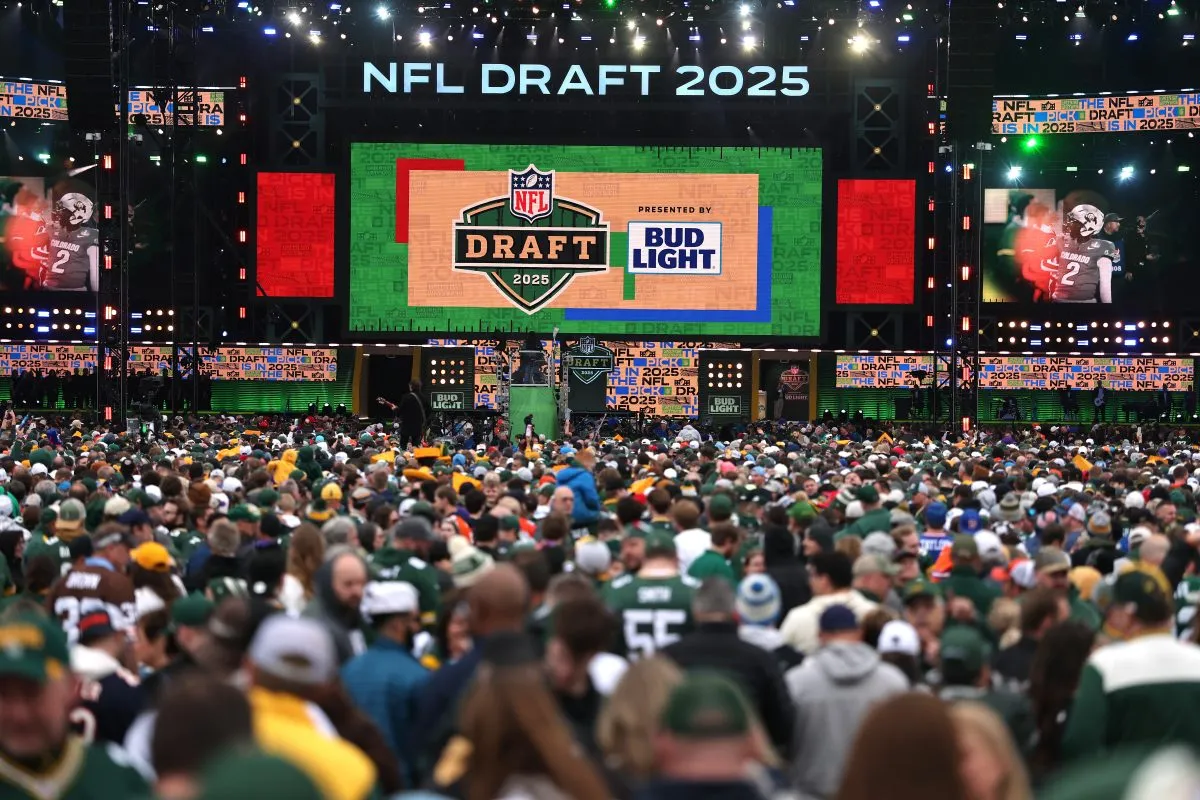
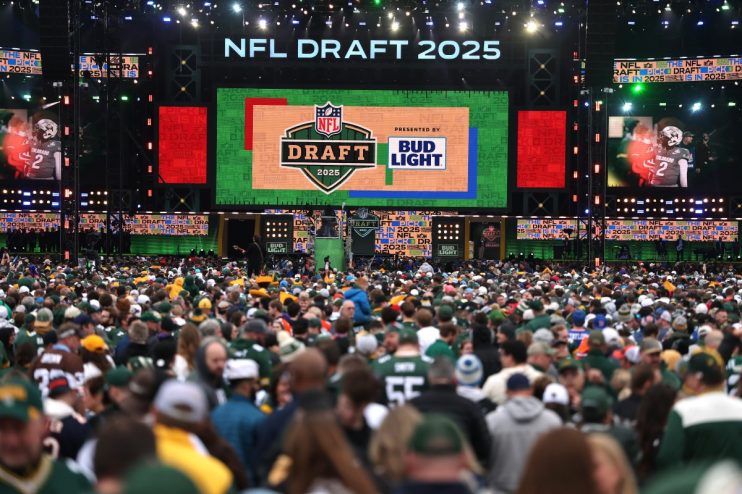
The NFL draft is misunderstood by many outside North America. It’s actually a business tool designed to create competitive balance across the system. The mechanism is straightforward: teams select from eligible college players in reverse order of the previous season’s standings. The worst team picks first and last year’s champions pick last. Seven rounds of this ensures all 32 franchises acquire young talent.
NFL Draft explained
Crucially, rookie contracts are slotted by draft position, preventing bidding wars that would favour wealthy markets. The business case is compelling. The NFL combined generates over $20bn annually with this system in place. More tellingly, 13 different teams have won the Super Bowl in the past 20 years. Compare that to the Premier League, where five clubs have claimed all 20 titles in the same period. This isn’t a coincidence.
Competitive parity drives viewership. When any team can realistically compete for a championship within a few seasons, every match carries weight. Broadcast rights reflect this premium. Networks pay more when outcomes are uncertain. European football’s transfer system, by contrast, concentrates wealth and talent at the apex.
The richest clubs buy the best players regardless of sporting merit. PSG, Manchester City, and Real Madrid operate in a different financial universe than Leicester City or Southampton. The predictability is suffocating. Smaller clubs become feeder systems, developing talent for inevitable purchase by elite sides. Financial Fair Play has proven toothless.
The gap widens annually. I’ve represented top overall picks in multiple NFL drafts. I’ve negotiated contracts under the rookie wage scale. The system works because it aligns individual opportunity with collective sustainability. Young players gain immediate pathways to professional careers.
Teams control costs while building through smart talent evaluation rather than simply outspending rivals. Small market Green Bay competes with large market New York. Last-place teams routinely become playoff contenders within three seasons. The Jacksonville Jaguars went from worst in the league to play-off contenders in two years through effective drafting.
Naysayers
Skeptics will cite player freedom of movement and EU labour laws as insurmountable barriers and those critics have a fair point. But the answer is to consider a hybrid approach which implements a draft for players under the age of 21, while maintaining the traditional transfer market for established footballers. Leagues across Europe should then institute luxury taxes rather than hard salary caps.
The goal isn’t to replicate American sports wholesale but to adopt mechanisms that demonstrably create sustainable business models. The resistance stems from reverence for tradition. I respect that. European football’s history runs deep. But tradition must serve the present, not constrain the future.
When the same handful of clubs dominate decade after decade, when Leicester City’s miraculous 2016 title required 5,000-1 odds to occur, when broadcast audiences can predict the top four before the season begins, the business model has calcified. The NFL’s success proves competitive balance drives enterprise value.
Every franchise in the league has increased in worth because the product itself remains compelling. Rising tides lift all boats. European football can preserve its soul while adopting mechanisms that ensure competitiveness extends beyond a privileged few.
The question isn’t whether change is needed. It’s whether stakeholders possess the vision to pursue it.
Leigh Steinberg is an American sports agent who has represented the No1 overall pick in the NFL draft a record eight times.
