




We’ve all been there. You’ve smashed the pitch, and the budget is exactly where you want it. But before you pop the champagne, there’s one unexciting but essential task you need to do: the credit check.
Entering a contract is a leap of faith, but it should never be a blind one. Checking a business’s payment reputation is actually a vital cash flow protection measure. If a company has a habit of leaning on small suppliers to manage their own liquidity, you need to know before you’re the one waiting for the transfer.
In business, a “good” client isn’t just one that likes your work – it’s one that pays for it on time. You can play detective, however, and ensure your next big win doesn’t turn into an invoice-chasing nightmare.
Tool 1: Use the Government’s “naughty or nice” list
The UK government actually requires large businesses to publish their payment laundry via the Check Payment Practices and Performance tool. You can search for a specific company and see:
- The average time they take to pay.
- The percentage of invoices they fail to pay within the agreed terms.
- Whether they offer e-invoicing (which usually means faster processing).
If a company is reporting that they pay 40% of their invoices late, that’s a massive red flag.
Tool 2: Look for the gold standard
On the flip side, some companies go out of their way to prove they are the good guys. The Fair Payment Code Awardees directory is your go-to list for “Gold Star” clients.
Managed by my team at the Office of the Small Business Commissioner, this code is a voluntary commitment where businesses prove they treat suppliers fairly. If a lead is on this list and is a Gold Awardee, it means they’ve committed to paying 95% of their invoices within 30 days; it’s a very good sign.
Emma’s pro-tip
Don’t be afraid to ask a potential client directly about their payment process during the onboarding phase. Ask: “What are your standard payment runs?“ or “Who is my point of contact in accounts payable?” A business that values its suppliers will have clear, transparent answers.
Remember: You aren’t just a service provider; you’re a business. Act like a credit controller from day one, and your bank account will thank you.

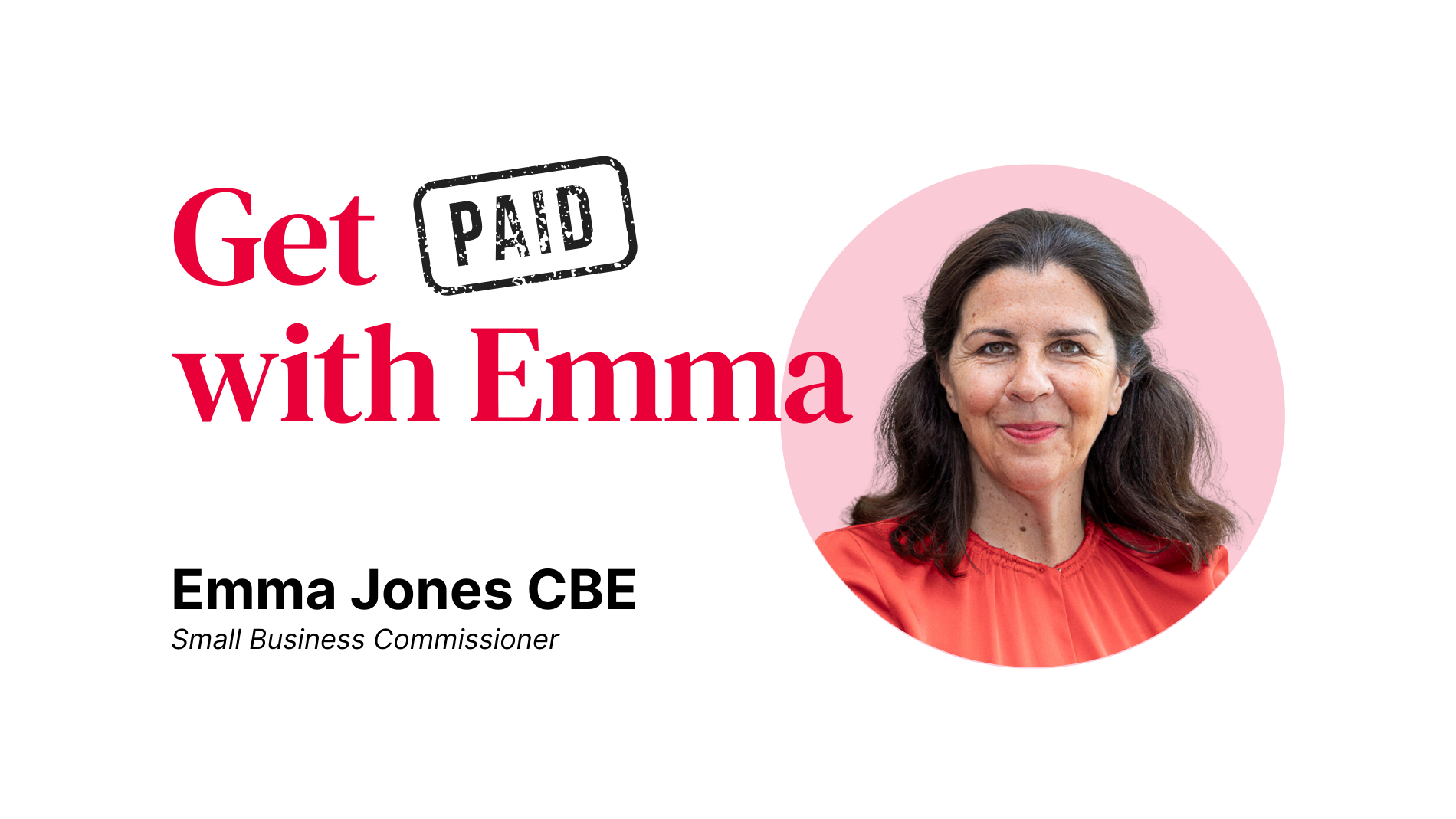
Emma Jones advocates for SMEs in the UK, ensuring they receive the resources they need to grow. With a degree in Law and Japanese, Emma has spent the last 25 years founding and leading multiple ventures, including Enterprise Nation and StartUp Britain, before being appointed as the Small Business Commissioner for the Department for Business and Trade in June 2025.
This content is contributed by a guest author. Startups.co.uk / MVF does not endorse or take responsibility for any views, advice, analysis or claims made within this post.
