











Peptides, often described as nature’s tiny messengers, are short chains of amino acids that play a huge role in nearly every process in our bodies. Gut health, meanwhile, has become the cornerstone of modern wellbeing, influencing everything from energy levels to immunity.
This essential guide will unravel the science behind peptides for gut health, explore their benefits, weigh the risks, and offer practical advice for safe use. Ready to discover how these powerful molecules could transform your gut health journey?
Understanding Peptides
Imagine your gut as a bustling city, with tiny messengers zipping around, keeping everything in balance. These messengers are peptides, small but mighty molecules that play a crucial role in maintaining our digestive system’s health and resilience. As interest in the peptide for gut health grows, understanding what peptides are and how they work is the first step on your journey.

What Are Peptides?
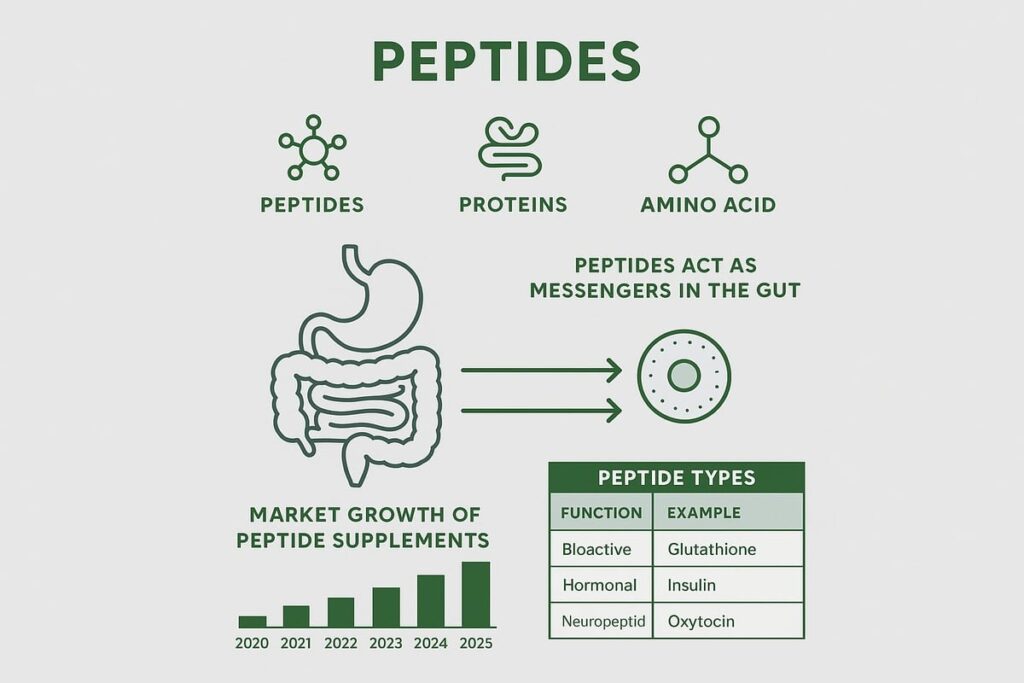
Peptides are short chains of amino acids, the fundamental building blocks of protein. Think of them as the “words” formed from the “letters” (amino acids) in the language of biology. While proteins are long, complex chains folded into intricate shapes, peptides are much shorter, typically composed of 2 to 50 amino acids.
Their size gives peptides a special advantage; they can move quickly through the body, delivering messages and triggering specific responses. This makes the peptide for gut health a particularly exciting focus for researchers and wellness seekers alike.
Peptides, Proteins, and Amino Acids: Key Differences
It’s easy to get confused between peptides, proteins, and amino acids. Here’s a quick comparison:
| Molecule | Structure | Function |
| Amino acids | Single units | Building blocks for peptides and proteins |
| Peptides | 2–50 amino acids | Signalling, repair, and immune support |
| Proteins | 50+ amino acids, complex | Structure, enzymes, hormones, transport |
A single peptide for gut health might act as a messenger, while a protein could be an enzyme breaking down your food.
The Biological Role of Peptides
Peptides are more than just microscopic chains; they are the body’s communicators. They help cells “talk” to each other, especially during repair and regeneration. When your gut lining is damaged, certain peptides rush in to signal healing and reduce inflammation.
Some peptides even encourage the growth of new tissue, making them essential for recovery after illness or injury. This ability is what makes the peptide for gut health so valuable in both
medical and wellness settings.
Peptides in the Digestive System
Inside your gut, peptides interact with the microbiome, the diverse community of bacteria living in your digestive tract. Recent research shows that peptides can influence which bacteria thrive, supporting a balanced gut ecosystem. According to a recent review on the interplay between bioactive peptides and the gut microbiota, these molecules can help manage inflammation and even protect against certain gut disorders.
By modulating the activity of the gut’s immune cells and nurturing beneficial microbes, a peptide for gut health acts like a conductor, orchestrating harmony in your digestive system.
Natural vs. Synthetic Peptides
Peptides can be found naturally in foods like eggs, dairy, and fish. These food-derived peptides are released during digestion and absorbed by the body, sometimes bringing gut health benefits. In contrast, synthetic peptides are designed in labs to mimic or enhance the functions of natural peptides. Both types are used in supplements and therapies, with the peptide for gut health often tailored to specific needs, such as repairing the gut lining or calming inflammation.
Peptides in Medicine and Wellness
Medical science has long embraced peptides. For example, insulin, a peptide hormone, has been a life-saving treatment for diabetes for nearly a century. More recently, peptides are being harnessed for wound healing, immune regulation, and especially gut health. Wellness clinics and supplement brands now offer a wide range of products, with the peptide for gut health at the
forefront of innovation.
Market Growth and Expert Perspectives
The market for peptide supplements is booming. According to recent industry forecasts, global interest in peptides for gut health has surged, with the supplement market expected to reach new heights by 2026. Researchers and clinicians agree: peptides are shifting from niche therapies to mainstream wellness tools. As more studies confirm their safety and effectiveness, experts predict that peptides will become a staple in gut health regimens for years to come.
The Science Behind Peptides and Gut Health
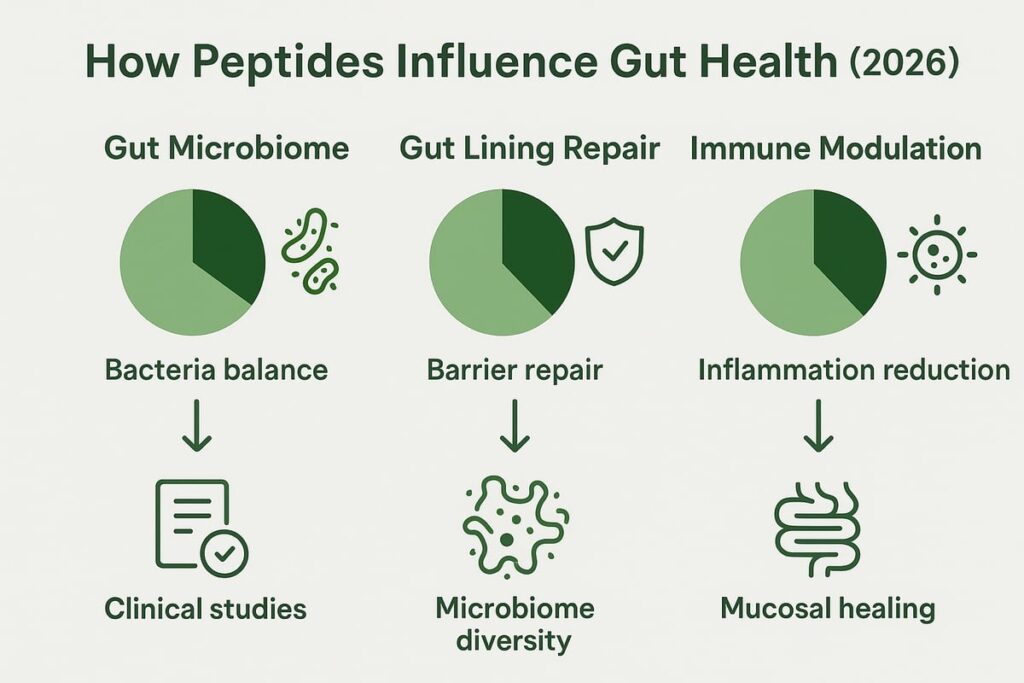
Imagine your gut as a bustling city, filled with trillions of bacteria, immune cells, and a protective barrier, all working together. The science behind peptides for gut health is like a fascinating detective story, uncovering how these tiny protein fragments can influence every corner of this internal metropolis. Let’s journey through the latest discoveries, exploring the gut microbiome, gut lining repair, and immune system modulation.
How Peptides Influence the Gut Microbiome
The gut microbiome is a complex ecosystem that hosts trillions of bacteria, fungi, and other microorganisms. These tiny residents play a crucial role in digesting food, producing vitamins, and protecting against harmful invaders. When this balance is disturbed, everything from mood to immunity can be affected.
Recent research reveals that certain peptides can directly shape this microbial city. For example, antimicrobial peptides act as peacekeepers, selectively targeting harmful bacteria while supporting beneficial strains. This helps maintain a healthy balance and diversity, which is vital for overall wellness.
Clinical studies have shown that using a peptide for gut health can reduce inflammation and support the growth of friendly bacteria. Some peptides, such as collagen-derived ones, have even been linked to improved metabolism and weight control.
Researchers are now exploring new peptides that can boost microbiome resilience, potentially offering hope for those with chronic digestive issues. As we move toward 2026, the role of peptides for gut health in microbiome management is only set to grow.
Peptides and Gut Lining Repair
Think of your gut lining as the city walls, keeping invaders out and nutrients in. When this barrier is damaged, problems like leaky gut, ulcers, and inflammation can arise. The magic of peptides for gut health lies in their ability to help rebuild these vital defences.
Peptides such as BPC-157 and Thymosin Beta-4 have been shown to stimulate the production of growth factors. These growth factors encourage new cell growth and repair damaged tissues. Animal and human studies have reported faster ulcer healing and reduced symptoms in individuals with leaky gut.
Here’s how peptides support gut lining repair:
- Promote cell regeneration and tissue healing
- Strengthen tight junctions between cells
- Reduce oxidative stress and inflammation
By using a peptide for gut health, patients recovering from gut injuries have experienced quicker symptom relief and improved overall health. The evidence is mounting, and more clinical trials are underway to confirm these promising results.
Immune System Modulation via Peptides
Your gut is not just a digestive organ; it’s a command centre for your immune system. Around 70% of your body’s immune cells live in the gut, making it a hotspot for immune activity. Peptides play a unique role in calming the immune response and reducing inflammation.
Some peptides act like skilled negotiators, dampening excessive immune reactions that can lead to chronic inflammation or autoimmune attacks. For instance, peptides such as KPV have shown promise in managing inflammatory bowel conditions by reducing the production of inflammatory cytokines.
Research also indicates that using a peptide for gut health may prevent dangerous immune overreactions, such as cytokine storms, in gut-related illnesses. Early clinical trial data are encouraging, suggesting that peptides could offer a safer, more targeted approach than traditional immunosuppressive drugs.
As more discoveries are made, the future looks bright for those seeking innovative ways to harness peptides for gut health, immune balance and digestive wellness.
Most Popular Peptides for Gut Health
Curiosity about the best peptide for gut health has exploded. People everywhere are searching for solutions to soothe, repair, and strengthen their digestive systems. But with so many peptides on the market, which ones truly stand out?
Let’s journey through the most popular peptides making waves in gut health, exploring what sets each apart and why they’re trusted by experts and enthusiasts alike.
BPC-157: The “Body Protection Compound”
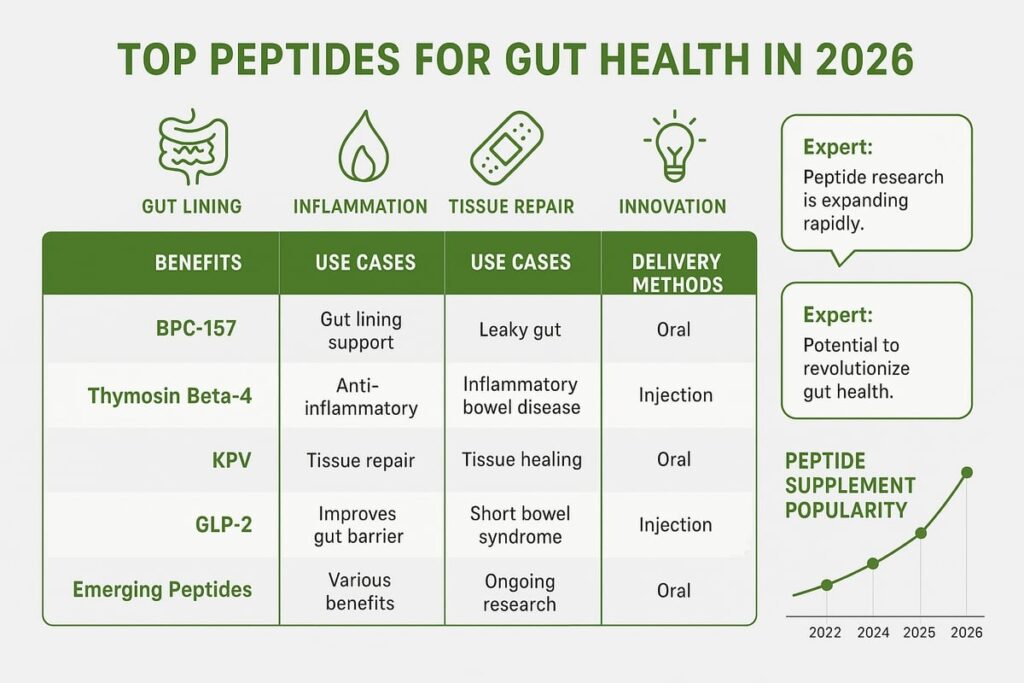
BPC-157 has earned its reputation as the go-to peptide for gut health. Originally isolated from gastric juice, BPC-157 is a synthetic peptide composed of 15 amino acids. Its natural origin and structure allow it to blend seamlessly with human biology, supporting the body’s own repair mechanisms.
Clinical and preclinical studies have shown BPC-157’s remarkable ability to speed up the healing of the gut lining. It’s been observed to reduce inflammation, repair ulcers, and even help with leaky gut syndrome. This evidence has fuelled its popularity among wellness communities, athletes, and practitioners who want results without delay.
BPC-157 is available in oral capsules, subcutaneous injections, and topical formulations. Most users favour oral capsules for gut health, as they target the digestive tract directly. According to market data, BPC-157 sales have surged by over 40% in the last two years, reflecting its status as a cornerstone peptide for gut health.
Whether you’re an athlete recovering from intense training or someone managing chronic gut issues, BPC-157’s versatile benefits are hard to ignore.
Thymosin Beta-4 and Its Derivatives
Thymosin Beta-4 is another trusted peptide for gut health. It plays a key role in cell migration, tissue repair, and the reduction of inflammation. Found naturally in most human tissues, this peptide helps orchestrate the body’s healing response.
Research highlights Thymosin Beta-4’s ability to accelerate gut mucosa regeneration. This makes it valuable for those with ulcers, inflammatory bowel disease, or post-surgical recovery. New derivatives are being developed to target gut tissue more specifically, increasing their effectiveness and appeal.
For many, Thymosin Beta-4 offers hope for faster healing and less discomfort, especially when other treatments fall short.
KPV and Anti-Inflammatory Peptides
KPV is a small peptide for gut health, famous for its powerful anti-inflammatory effects. It is especially helpful in conditions like colitis, Crohn’s disease, and irritable bowel syndrome. By calming immune responses, KPV helps reduce pain, swelling, and discomfort.
Animal and early human trials have shown that KPV can repair damaged gut tissue and ease symptoms of chronic inflammation. This peptide is often used alongside other gut therapies, creating a synergistic approach that speeds up recovery.
For those battling persistent gut inflammation, KPV is becoming a trusted ally in their wellness toolkit.
GLP-2 and Gut Motility Peptides
GLP-2 is a naturally occurring peptide for gut health that helps improve gut motility and nutrient absorption. It’s especially valuable for people with short bowel syndrome or those recovering from extensive gut surgery.
Clinical trials have demonstrated that GLP-2 can help the gut absorb more nutrients, reduce diarrhoea, and support overall digestive function. It is sometimes combined with other peptides or therapies to maximise gut repair.
With its ability to help the gut “move and mend,” GLP-2 is gaining recognition among clinicians and patients aiming for long-term digestive health.
Emerging Peptides and Innovations
In 2026, the world of peptides for gut health is buzzing with innovation. New peptides are being developed that promise even greater healing, targeted delivery, and fewer side effects. Techniques like nanoencapsulation and oral dispersible films are making peptide therapies easier and more effective.
Experts at the Peptide World Congress 2023: The Newest Peptides for Gut Health have highlighted a new wave of candidates, including peptides that target specific gut bacteria, enhance immune tolerance, and even prevent gut-related diseases before they start.
The clinical pipeline is full of promise, with early research suggesting that tomorrow’s peptide for gut health could be even more personalised and accessible. As these innovations unfold, staying informed and consulting with professionals will be key to making the most of peptides’ potential.
Safe and Effective Use of Peptides for Gut Health
Navigating the world of peptides for gut health can feel overwhelming, especially with so many options and opinions out there. To help you make informed choices, let’s break down what it takes to use these compounds safely and effectively. From understanding the ideal dosage to spotting reputable suppliers, this section is your practical toolkit for getting the most from peptides for gut health.
Dosage, Administration, and Monitoring
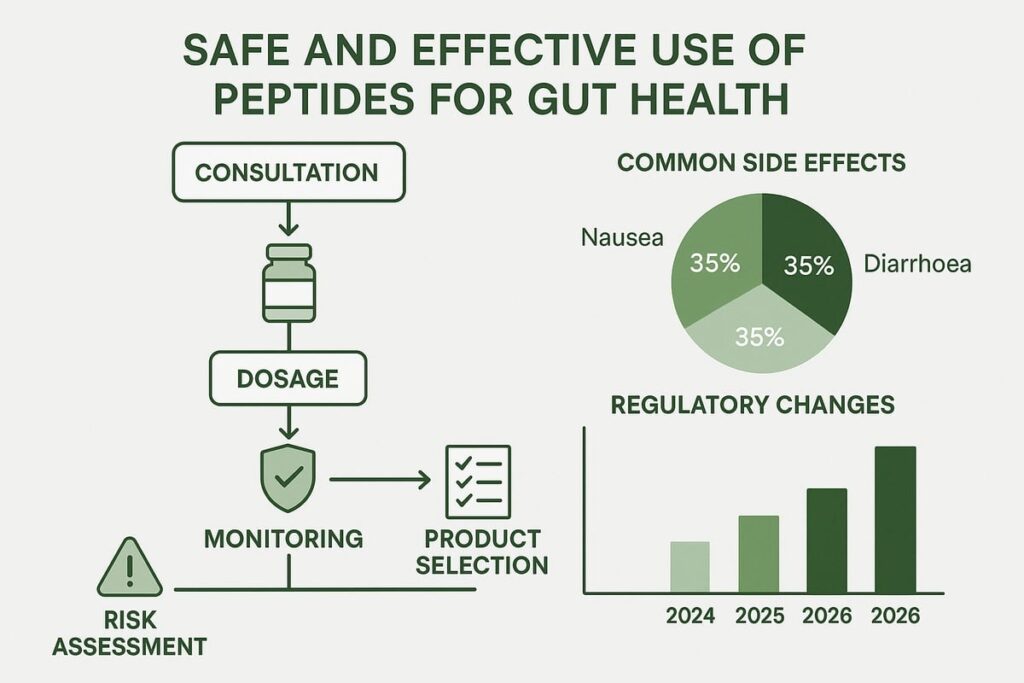
Finding the right peptide dosage for gut health is a journey that starts with expert advice. Always consult a healthcare professional before beginning any peptide protocol. Dosing can vary based on your age, weight, gut health goals, and the specific gut health peptide you choose.
Peptides are available in various forms, including oral capsules, subcutaneous injections, and topical creams. Each form may have a different absorption rate, so it’s vital to follow the instructions provided by your practitioner or the product manufacturer.
Professional guidelines recommend starting with the lowest effective dose and gradually increasing as needed based on your body’s response. Regular monitoring is essential to keep a symptom diary, track any changes in digestion, and schedule follow-up appointments. This proactive approach helps catch side effects early and ensures the peptide for gut health is working as intended.
Potential Risks, Side Effects, and Contraindications
Like any supplement, peptide for gut health carries potential risks. Common side effects include mild digestive upset, headaches, or skin irritation at the injection site. Occasionally, more serious reactions can occur, especially if dosing is not supervised. People with autoimmune conditions, pregnant or breastfeeding women, and those with known allergies should be particularly cautious.
Drug interactions are another consideration. Always inform your healthcare provider about all medications and supplements you’re taking. Allergic reactions, while rare, require immediate medical attention. Recent studies have shown that adverse events are infrequent when protocols are followed, but it’s still important to weigh the benefits and risks carefully. For a broader perspective on the pros and cons of supplements, see this Dietary supplements pros and cons guide.
Listening to your body and reporting any unusual symptoms promptly can help prevent complications. Remember, a personalised approach is always best when considering peptides for gut health.
Legal and Regulatory Status in 2026
The legal landscape for peptides for gut health has evolved in the UK and EU since 2024. Prescription peptides are regulated as medicines and require oversight from a qualified practitioner. Over-the-counter products are subject to strict quality controls, but not all are backed by robust evidence.
Recent regulatory updates focus on product safety, accurate labelling, and transparency from manufacturers. Always check if your chosen peptide for gut health is legally approved and sourced from a reputable supplier.
Knowing these distinctions protects you from legal pitfalls and ensures you’re using peptides for gut health responsibly.
Choosing Quality Peptide Products and Providers
Selecting a high-quality peptide for a gut health product is crucial for safety and effectiveness. Look for manufacturers who provide third-party lab testing, clear ingredient lists, and certifications from recognised authorities.
Be wary of products with vague labelling or too-good-to-be-true claims. Red flags include a lack of testing data, poor customer reviews, or suppliers unwilling to share sourcing information. Seek out practitioners or clinics with experience in peptides for gut health, and ask trusted sources for recommendations.
Taking these steps helps you avoid counterfeit products and ensures your gut health peptide journey is built on a foundation of trust and transparency.
Integrating Peptides into a Holistic Gut Health Regimen
Taking a holistic approach to gut health is like tending to a vibrant garden. While a peptide for gut health can be a powerful tool, it flourishes best when combined with the right soil, sunlight, and nurturing habits. Let’s explore how these elements come together to create a truly resilient digestive system.
Combining Peptides with Diet and Lifestyle Changes
Imagine your gut as a bustling city, where nutrients, microbes, and cells all play crucial roles. For this city to thrive, harmony is essential. Introducing a peptide for gut health is most effective when paired with a gut-friendly diet rich in fibre, prebiotics, and fermented foods. These foods act as fuel for beneficial bacteria, while peptides support the repair and resilience of gut tissues.
Research shows that food-derived bioactive peptides can influence inflammation and gut function, highlighting the synergy between nutrition and supplementation. For instance, a recent review on the effect of food-derived bioactive peptides on gut health and inflammatory mediators suggests that certain peptides can work alongside healthy diets to promote balance and healing.
But it’s not just about what you eat. Managing stress, prioritising sleep, and regular exercise all play a part in cultivating a healthy environment for any peptide for gut health to work its magic. Small steps like mindful eating, keeping hydrated, and enjoying a variety of colourful vegetables can make all the difference.
Peptides and Other Gut Health Interventions
How does a peptide for gut health stack up against probiotics, prebiotics, or traditional supplements? Each has a unique role. While probiotics introduce beneficial bacteria, prebiotics feed them, and peptides work at the cellular level, supporting tissue repair and modulating inflammation.
A peptide for gut health can be especially useful when other interventions are not enough, or when the gut lining needs extra support. Experts often recommend combining these strategies for a comprehensive plan. The best approach often involves layering therapies, much like building a strong foundation for a house.
Monitoring Progress and Adjusting Strategies
Tracking your journey with a peptide for gut health is vital. Start by noting symptoms, energy levels, and digestive comfort. Laboratory tests, such as markers of inflammation or gut permeability, can provide objective feedback.
It’s wise to work with a healthcare professional who can guide you in adjusting your regimen. They can help interpret changes, suggest new strategies, and ensure your peptide-based gut health protocol remains safe and effective. Remember, every gut is unique, and progress can be gradual.
Personalisation and Precision Medicine Approaches
Personalisation is no longer a luxury; it’s an expectation. Advances in genetics, microbiome testing, and digital health tools mean your gut health peptide plan can be tailored to your unique biology and lifestyle.
For example, some people may respond better to certain peptides based on their genetic makeup or the balance of microbes in their gut. Health apps and wearable devices now help track symptoms, diet, and even shifts in the microbiome, making it easier than ever to fine-tune your approach. Precision medicine is transforming gut care into a journey guided by data rather than guesswork.
By embracing this holistic and personalised strategy, you give your gut the best chance to flourish, making every peptide for gut health count on your path to lasting wellness.
Future Trends and Research Directions for Peptides in Gut Health
Peptides are rewriting the story of gut health. As we look towards 2026, innovation, research, and awareness are accelerating the peptide-for-gut-health movement. It feels like we are witnessing the dawn of a new era, where science, technology, and consumer curiosity meet to shape the future of wellness.
Advances in Peptide Research and Biotechnology
The science behind peptides for gut health is advancing at a remarkable pace. Recent breakthroughs in peptide synthesis are enabling the design of molecules with pinpoint accuracy, enabling targeted effects within the digestive tract.
Artificial intelligence and machine learning now play a key role, rapidly screening millions of peptide sequences to identify the most promising candidates. Biotech firms are racing to develop new delivery systems, such as nanoencapsulation and oral formulations, that protect peptides from stomach acid and ensure they reach the gut intact.
One fascinating development is the study of collagen peptides and their effect on the gut microbiome. For example, a recent study highlighted how certain collagen peptides can improve microbiota composition and reduce obesity, demonstrating a direct link between innovative peptide design and gut wellness.
As biotechnology evolves, accessibility and precision in peptides for gut health therapies are expected to soar, bringing hope to millions seeking effective solutions.
Clinical Trials and Evidence-Based Practice
Clinical research is the backbone of any credible peptide-based therapy for gut health. Since 2024, the landscape has seen a surge in robust, multicentre trials examining both established and novel peptides.
Researchers are now moving beyond anecdotal reports, focusing on double-blind, placebo-controlled studies. These trials track measurable outcomes, such as healing rates in ulcerative colitis, symptom relief in IBS, and shifts in microbiome diversity.
Early results are promising. Patient safety and efficacy data are being gathered at an unprecedented scale, helping clinicians refine protocols and reduce risks. Evidence-based guidelines are emerging, allowing practitioners to recommend peptide for gut health interventions with growing confidence.
As these trials reach completion, the hope is that peptide therapies will become a mainstay in gut health management, supported by real-world outcomes and rigorous science.
Consumer Awareness and Education
The public’s fascination with peptide for gut health has never been higher. Social media, health influencers, and wellness platforms are driving a wave of awareness, making the topic mainstream.
People are now better informed about the importance of gut health and the role peptides can play. Data shows a dramatic rise in online searches and discussions about gut-healing peptides, as individuals seek answers to persistent digestive issues.
Educational resources, podcasts, and digital communities are helping demystify the science, empowering consumers to make informed decisions. For those curious about underlying symptoms, exploring signs of an unhealthy gut can be a helpful starting point.
As consumer knowledge grows, so does the demand for transparency and quality in peptide-based gut health products and services.
Ethical, Economic, and Accessibility Considerations
As peptides for gut health therapies become more popular, ethical questions and economic realities come into sharper focus. The cost of advanced peptide treatments can be high, with insurance coverage often lagging behind scientific progress.
There are concerns about self-experimentation, misleading marketing claims, and the risk of unregulated products. Ensuring safety, quality, and fair access is a top priority for both regulators and advocacy groups.
Initiatives are underway to improve affordability, such as patient assistance programmes and inclusion of peptide therapies in public healthcare schemes. Ethical frameworks are being developed to guide responsible use and marketing, protecting consumers as the peptide for gut health market expands.
The Role of Peptides in Preventive Gut Health
A shift is underway: peptide-based treatments for gut health are moving from a treatment-focused to a preventive approach. Experts predict peptides will soon be used not just to heal, but to maintain gut health and resilience over time.
Forward-thinking clinicians are combining peptides with lifestyle interventions, such as diet and stress management, to keep the gut strong before problems arise. This proactive stance could transform public health, reducing the burden of chronic digestive conditions.
By 2030, mainstream adoption of peptides for gut health as a cornerstone of preventive care is likely. As more people embrace this approach, the future looks bright for anyone seeking to protect and optimise their digestive wellbeing.


