












The High-Fibre Health Trend Taking Over TikTok
When I first heard of fibremaxxing, I was curious to find out what it was about. However, I soon realised that while it may sound futuristic, it’s actually a rehash of age-old dietary wisdom. As its name suggests, it makes fibre the champion.
“While both of these things are true, there’s a lot more to the health benefits of fibre than one would think, and many more places to find it,” says Real Simple.
This renewed focus on fibre comes after protein’s long-standing fame on social media platforms. Protein‑focused diets have dominated social media.’Fibremaxxing’ gives fibre a chance in the spotlight. Yes, protein is important. But so too is fibre.
With fibremaxxing, fibre gets to wear the cape as the superhero.
“While this F word (fibre) hasn’t always enjoyed the sexiest rep, times are changing thanks to increased recognition of the nutrient’s health-boosting resume beyond keeping us regular,” writes Body and Soul.
I try not to go along with trends in nutrition but still believe there is something we can take out of the fibremaxxing movement. This is that fibre, along with every other essential nutrient, should not be neglected. If we can learn anything from the succession of superfoods which have trended in recent years, it is that all nutrients matter.


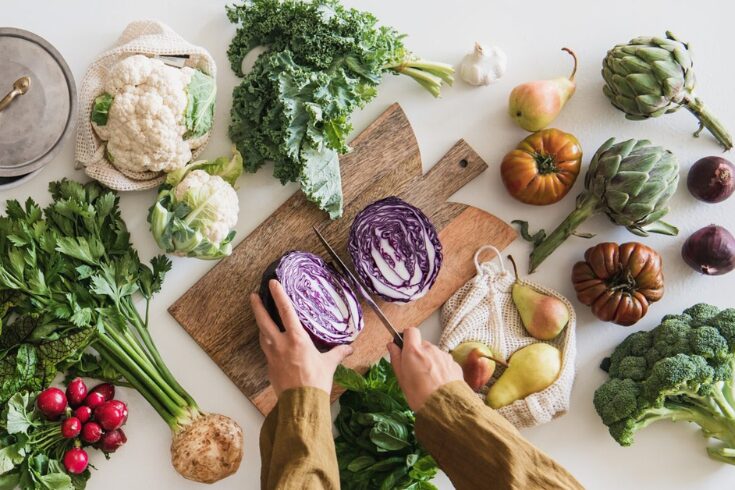
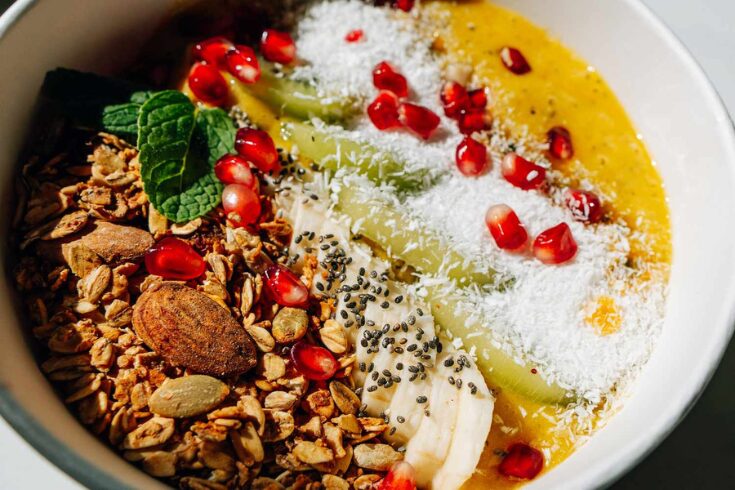
The fibremaxxing school of thinking encourages followers to centre meals and snacks around fibre-rich foods. These include plants, such as fruits, vegetables, whole grains, legumes, nuts and seeds. The goal is to hit the recommended daily intake of fibre for adults, which is around 25 to 35g of fibre per day.
For me, this renewed emphasis on fibre is a fresh reminder of what I have been taught from a young age when I was taught to eat my vegetables, and to choose breakfast cereals which included fibre and not just colourful rings consisting mostly of sugar. The term ‘fibremaxxing’ is just a fancy way of packaging the highly important message that fibre matters.
Most nutrition experts view the online trend as a relatively sensible response. They highlight that many people don’t get enough fibre. I was surprised to read the statistics, seeing that In the UK, fewer than one in ten adults meets the National Health Services (NHS) guideline of at least 30g of fibre per day. That’s a high percentage!
Fibremaxxing thoughts, ideas and information can be found on social media, in posts using the hashtag, #fibremaxxing. The influencers blow the trumpet for fibre on their platforms, talking about digestive health, and appetite control. They are also offering vibrant meal inspirations.
Influencer Pamela Corral, who posted a video on fibremaxxing, says: “Fibre is super‑cool. I think more people should be eating fibre.” Her video on fibremaxxing has received over 10 million views. Another influencer, Gigi, described her personal experiences after making the decision to eat more fibre: “When I committed to consistently tracking and hitting my fibre totals… I didn’t just feel better, I watched my bloat disappear. From there, I made it a lifestyle shift.” These personal stories highlight the perceived gut health improvements among followers.
The shift towards seeking out fibre is rooted in scientific evidence. Fibre plays a critical role in digestion, hormonal regulation, blood sugar control, gut microbiome support, and cholesterol management. Soluble fibre helps lower LDL cholesterol and insoluble fibre adds bulk and aids regular bowel movements.
Studies consistently link higher fibre intake to lower risks of chronic illnesses. A 2019 meta‑analysis found that increasing daily intake by seven grams was associated with significant reductions in heart disease, type 2 diabetes and colorectal cancer risks. The Independent and other reputable sources affirm that the current trend, though novel in terminology, aligns with time‑tested nutritional advice.
At the same time, as with any diet, medical advice and professional input is always necessary when embarking on any dietary change. Despite its benefits, fibremaxxing is not risk‑free. This is especially true when people ramp up fibre intake too rapidly.
Dieticians warn against sudden increases in fibre. These can overwhelm gut bacteria and lead to bloating, cramping or constipation. They advise increasing fibre gradually, suggesting 5g per week. This should be done while drinking sufficient water, as fibre needs hydration to bulk appropriately.
They recommend reaching about 25 to 35g per day, but emphasise the need for balance with adequate protein and liquids to avoid digestive discomfort.
Nutrition experts further warn that in extreme cases, excessive fibre, especially via supplements, may impair absorption of minerals such as iron, calcium or zinc.
Furthermore, for individuals with digestive sensitivities, such as those suffering from irritable bowel syndrome, SIBO, diverticulitis or inflammatory bowel disease, a high‑fibre push must be tailored carefully or avoided altogether. Fibremaxxing is not suitable for everyone and should be approached with medical guidance.
Experts recommend starting with modest additions. You might like to add vegetables, whole grains, legumes or seeds one meal at a time. Then, monitor how your body responds. Gradual changes, diversity in plant foods, and ample hydration are key to reaping benefits without discomfort.
For most adults, building gradually towards 30g daily will help the gut microbiome adapt, reduce gas or bloating and ensure that the overall diet remains balanced and nutrient‑sufficient.


