










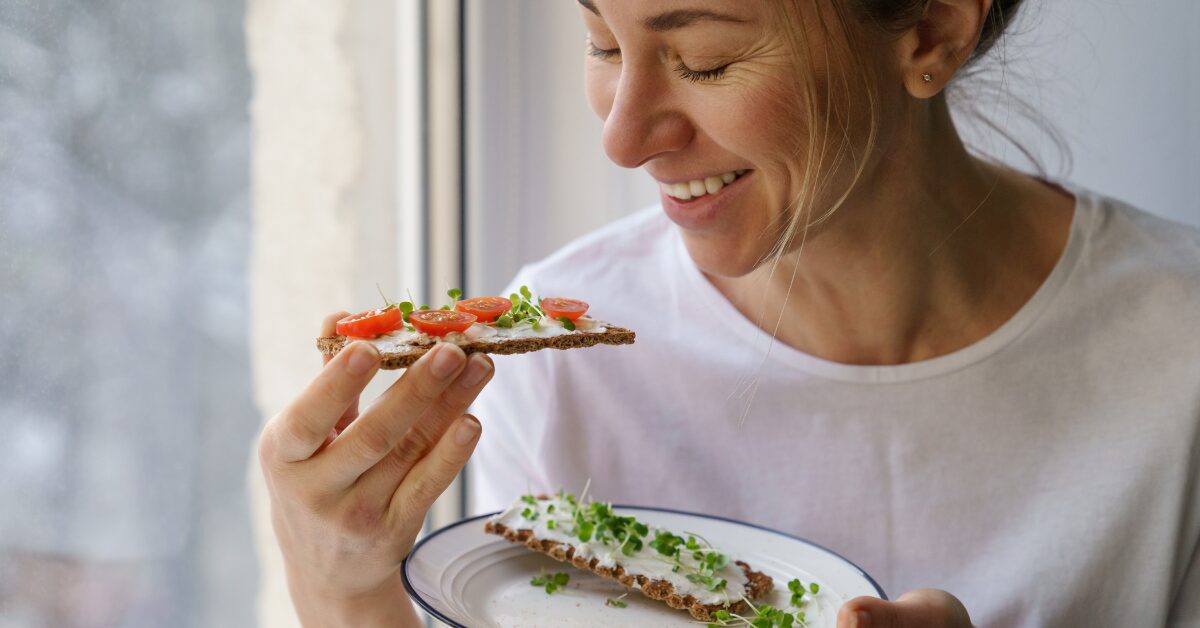
This begs the question: since we are so different, are some diets better suited for women than they are for men (and vice versa)? The answer is yes.
Of course, not only do men and women differ from one another, but each individual within the female sex also differs, due to life stages (like menstruation, pregnancy, or menopause), metabolism, and common health concerns (like osteoporosis, PCOS, or iron deficiency). Therefore, consulting with a nutritionist before jumping on the diet ship is always the best gift you can give yourself. This ensures you are making the right nutritional change that will benefit you and your concerns.
However, for today, we will take a quick look at some of the most popular diets to date that can help women shine all around the globe.
1. Mediterranean Diet
The Mediterranean diet is packed with healthy fats like olive oil and nuts, along with plenty of fibre and antioxidants. This way of eating not only tastes great, but also supports heart health, hormone balance, and brain function. It may even help reduce inflammation and ease PMS symptoms, too.
Plus, this diet offers significant benefits for women at risk of heart disease or experiencing hormonal and metabolic imbalances. In fact, women following a Mediterranean diet have a 24% lower risk of cardiovascular disease, per a 2023 Harvard study of 25,000 women. The diet has also been linked to a 35% reduced risk of breast cancer and improved fertility markers in women with PCOS (BMJ, 2020).
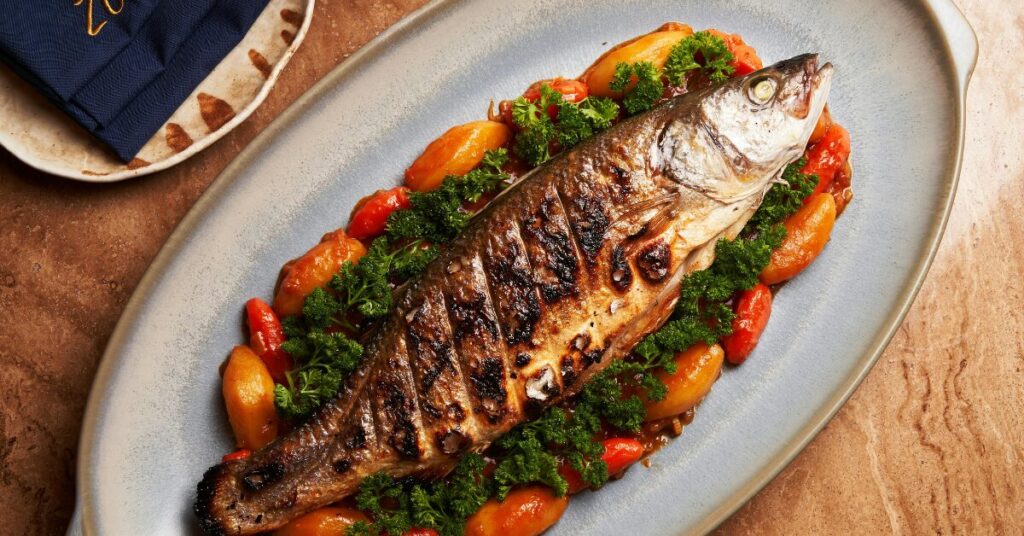
The key components of the Mediterranean diet include an abundance of fresh, seasonal fruits and vegetables. Whole grains such as whole-wheat bread, brown rice, and quinoa, legumes like lentils, chickpeas, and beans, along with a variety of nuts and seeds. Of course, healthy fats like extra virgin olive oil, which is the main source of fat in the Mediterranean diet, play a key role. The diet is also big on fish and seafood, especially oily fish that are rich in omega-3 fatty acids.
Red meat is consumed sparingly, and sweets are limited. Wine may be enjoyed in moderation, typically with meals, in true Mediterranean style!

2. DASH Diet
DASH, short for Dietary Approaches to Stop Hypertension, is a dietary plan designed to help manage and lower blood pressure. It is high in fruits, vegetables, and low-fat dairy. And it is low in sodium and processed foods, too!
This diet is designed to combat high blood pressure; however, it can also help support bone density (calcium-rich) and may ease menopause symptoms as well. This makes it a great choice for postmenopausal women and women with high blood pressure or a family history of heart disease.
According to research, the DASH diet can actually help lower systolic blood pressure by 8 to 14 mmHg in women with hypertension (NIH, 2022). Plus, it can increase calcium and magnesium intake, nutrients that 80% of American women fall short on. Not to mention, the DASH diet can be a helpful tool for weight management due to its focus on nutrient-rich, lower-calorie foods. The more you know.
If interested in giving the DASH diet a try, here are some tips. It is very important to start reading food labels carefully to monitor sodium, fat, and sugar content. It is also best to choose fresh or frozen fruits and vegetables while limiting canned options, as they may be high in sodium.
Note to self: using herbs and spices instead of salt to flavour your food can make your meals more interesting, plus it helps reduce sodium intake as well.
3. Plant-Based Or Flexitarian Diet
A plant-based or flexitarian diet can be full-blown vegetarian if you wish; however, the diet is designed to incorporate meat and other animal products in moderation. A flexitarian might focus on plant-based protein sources like beans, lentils, and tofu for most meals, with meat as a side dish or occasional main course.
It is a diet that is nutrient-rich and anti-inflammatory, high in fibre (meaning it is great for gut health and hormone detox), and can help improve skin health, digestion, and menstrual symptoms.
If going the sole plant-based route, you need to be mindful of the potential for developing B12, iron, and omega-3 deficiencies. However, all in all, this diet is an amazing option for younger women or women with endometriosis or PCOS. Interestingly enough, plant-based diets are linked to 46% lower risk of type 2 diabetes in women (Harvard Nurses’ Health Study).
4. Low-Glycemic Diet
A low-glycemic diet focuses on eating foods that do not cause sharp spikes in blood sugar. These foods are digested more slowly, which means sugar is released into the bloodstream gradually. This steady release can help with weight management, blood sugar control, and reducing cravings. It can also improve symptoms related to PCOS, acne, fertility issues, and inflammation.
Women with PCOS, insulin resistance, or sensitivity to sugar may benefit the most from this diet. In fact, a 2023 study found that low-glycemic diets lowered testosterone and insulin resistance in women with PCOS by 20 to 30%.
5. High-Protein Diet (Not Low-Carb)
This diet helps support lean muscle mass (important as estrogen declines with age), helps with satiety and weight regulation, and helps support bone density and metabolism.
It is a great choice for Women over the age of 40 and active or perimenopausal women. Remember, women over 50 need around 1.2g of protein per kg of body weight, but over 60% fall below that. And Higher-protein diets help reduce abdominal fat and preserve lean muscle in women over 40 (Journal of Nutrition, 2021)
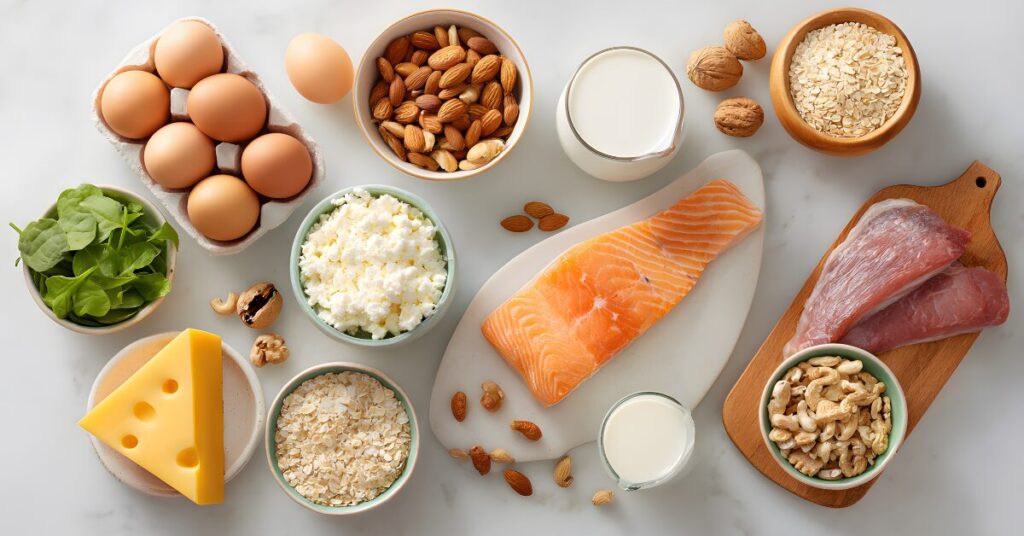
Examples of high-protein food include salmon, chicken breast, beef, tuna, pork, turkey and halibut. On the non-meaty side, you have eggs, Greek yoghurt, cottage cheese, milk, nut butters, whey protein powder, tofu, tempeh, peas, chickpeas, quinoa, lentils, broccoli, and so much more.
So dust off your apron because it is time to get cooking!
6. Anti-Inflammatory Diet
This diet emphasises fatty fish, turmeric, ginger, garlic, unprocessed foods, including fruits (e.g. berries), vegetables (e.g. leafy greens), whole grains, and healthy fats, while limiting processed foods, sugary drinks, and excessive alcohol or red meat.
The anti-inflammatory diet is known for helping reduce bloating, cramps, joint pain, and skin flare-ups, plus supports mood and the immune system. It is typically highly recommended for women with painful periods, autoimmune issues, or chronic fatigue. According to the latest stats, diets rich in anti-inflammatory foods lower the risk of endometriosis symptoms by 23% (Harvard, 2022). Of course, women with high inflammation markers (CRP) are more likely to experience mood disorders, PMS, and infertility.
Tips for implementing an anti-inflammatory diet include focusing on whole foods by prioritising fresh, unprocessed items over packaged options. It also involves increasing your fibre intake. So, include plenty of fruits, vegetables, and whole grains, which are naturally high in fibre, in your diet. It is equally important to choose healthy fats such as unsaturated fats found in olive oil, avocados, and nuts, instead of saturated or trans fats. It is also essential to be mindful of portion sizes and control your intake of all foods, even the healthy ones.
Tip of the day: consider incorporating fermented foods like yoghurt and kefir, which are rich in probiotics and can help support gut health.
Diets That Can Be Less Ideal for Some Women
Certain diets that have recently taken the world of diets by storm may have unintended side effects, particularly for women. For example, the ketogenic (keto) diet may disrupt hormones and menstrual cycles in some women and could potentially lead to thyroid issues if carbohydrate intake is too low. And intermittent fasting (IF) can offer benefits, but excessive fasting may negatively impact hormone balance, especially in women of childbearing age. That is why we need to emphasise once more, consulting with a GP, dietician, or nutritionist is the best thing to do BEFORE committing to a new eating regime.
To conclude: over millennia, women have thrived on the foods Mother Nature provides, whether vegetables, legumes, fruits, or meat. Choosing the right approach is a personal decision, but one thing is certain: following any popular diet without being properly informed can wreak havoc on your hormones, and nobody wants that.


