













New figures show the average time to receive a diagnosis in NI is over nine years


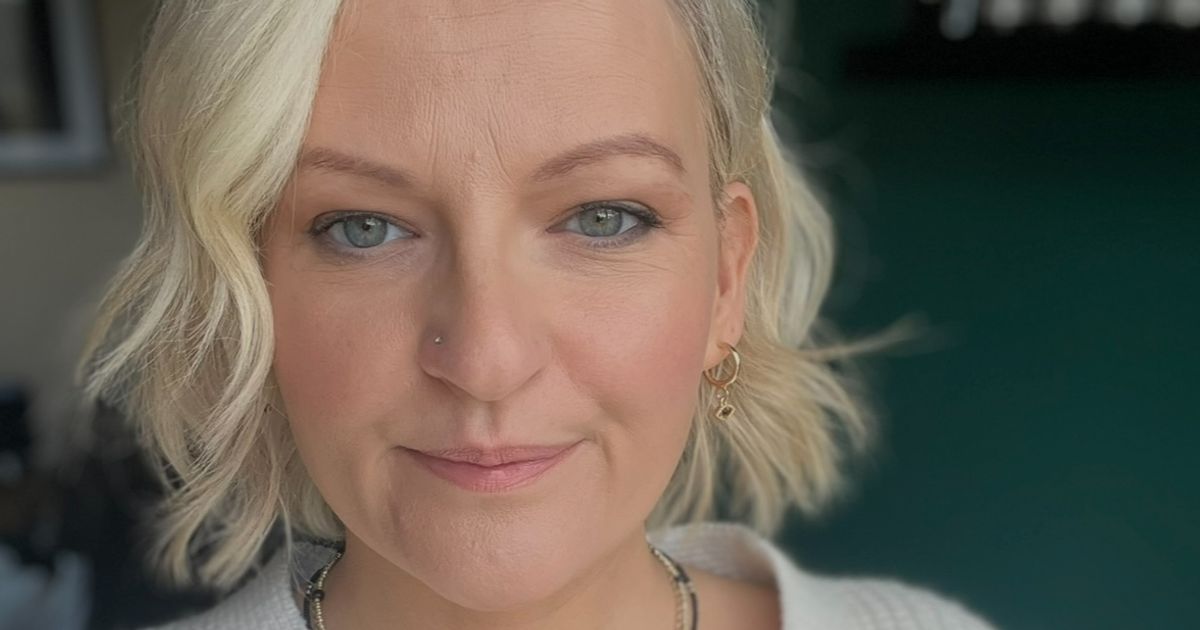
Kathleen Mulholland from Belfast opened up on her experience with endometriosis
A woman from Belfast has opened up about her 19 year wait to be diagnosed with endometriosis, describing it as “hell.”
Kathleen Mulholland said the pain she experienced was so bad she had to visit A&E on multiple occasions before being listened to. She said the condition has impacted every area of her life.
New data from Endometriosis UK has revealed the average time to receive a diagnosis of endometriosis in Northern Ireland has now reached 9 years and 10 months. Alarmingly, this figure has increased from an average of 8 years 6 months reported in 2020.
READ MORE: Lisa McHugh says losing the use of her legs changed her life forever – and she feels gratefulREAD MORE: ‘I was left anxious and worrying about the future after a life-changing heart diagnosis’
The findings, from a survey by Endometriosis UK, highlight the struggles of individuals seeking diagnosis and treatment to reduce the severity of symptoms. 39% of UK respondents reported needing to visit their GP ten times or more before endometriosis was suspected. Additionally, 55% of respondents attended A&E with their symptoms, but 46% of these were sent home without treatment.
Endometriosis is a long-term (chronic) condition where tissue similar to the lining of the womb grows elsewhere in the body. It’s common, affecting around 1 in 10 women.
Symptoms vary from person to person and can be severe and debilitating. Common symptoms include: pelvic pain, painful periods that interfere with everyday life, heavy menstrual bleeding, and pain during or after sex. Around 1.5 million women in the UK are currently living with endometriosis.
Kathleen Mulholland from Belfast said the condition has impacted all areas of her life. The 40-year-old said: “It took me 19 years to be diagnosed with endometriosis. The pain got so bad that I had to go to A&E seven times over two weeks before someone would listen to me.
“It’s something which has affected every area of my life; my education suffered, I’ve had to give up jobs, I’ve stopped being involved in hobbies, sports or socialising, my mental health has been badly hit and, sadly, it’s meant I haven’t been able to have children. It’s been hell.”
Emma Cox, CEO of Endometriosis UK, said: “It is unacceptable that those living with endometriosis in Northern Ireland have to endure years of pain and uncertainty before receiving a diagnosis.
“Our findings underscore the urgent need not only for increased awareness and understanding of endometriosis and menstrual health among healthcare providers, but for this to be translated into action, with appropriate levels of resources allocated by the NHS to overcome far too long waiting lists and enable access to care where and when it’s needed.
“Endometriosis care has been neglected for too long and the situation is getting worse. Governments across the UK must treat endometriosis as a common, chronic condition that requires systematic action and we want an unequivocal commitment to reduce average diagnosis time to one year or less by 2030.”
Endometriosis UK is calling on all UK governments to commit to reducing the average time for diagnosis to one year or less by 2030.
This will need targeted action to reduce waiting lists for gynaecology services, appropriate levels of funding and resources, mandatory and effective endometriosis and menstrual health training for healthcare practitioners, menstrual health education in schools and an acknowledgement endometriosis is a common chronic condition that must be treated as a long-term condition by the NHS.
Want to see more of the stories you love from Belfast Live? Making us your preferred source on Google means you’ll get more of our exclusives, top stories and must-read content straight away. To add Belfast Live as a preferred source, simply click here.


