



Close Menu
UK Daily: Tech, Science, Business & Lifestyle News UpdatesUK Daily: Tech, Science, Business & Lifestyle News Updates
    What's Hot

    Thousands of drivers caught out by AI police cameras

    June 3, 2026

    Defense tech is flooded with money, but who’s built to last?

    June 3, 2026

    10 Startups Crowdfunding w/c 01.06.2026

    June 3, 2026
    Facebook X (Twitter) Instagram
    Trending
    • Thousands of drivers caught out by AI police cameras
    • Defense tech is flooded with money, but who’s built to last?
    • 10 Startups Crowdfunding w/c 01.06.2026
    • M42 northbound within J8 | Northbound | Congestion
    • The Online Reinvention of Sarothica – Hollywood Life
    • Tod Machover receives George Peabody Medal for contributions to music and technology | MIT News
    • Bitcoin Price Crashes To Precarious Position Near $65,000 As Momentum Rotates Into AI, IPOs
    • Why Did Amanda Batula & Kyle Cooke From ‘Summer House’ Break Up? – Hollywood Life
    • London
    • Kent
    • Glasgow
    • Cardiff
    • Belfast
    Facebook X (Twitter) Instagram YouTube
    UK Daily: Tech, Science, Business & Lifestyle News UpdatesUK Daily: Tech, Science, Business & Lifestyle News Updates
    Subscribe
    Wednesday, June 3
    • Home
    • News
      1. Kent
      2. London
      3. Belfast
      4. Birmingham
      5. Cardiff
      6. Edinburgh
      7. Glasgow
      8. Liverpool
      9. Manchester
      10. Newcastle
      11. Nottingham
      12. Sheffield
      13. West Yorkshire
      Featured

      ‘Miniature’ mountain creature with ‘squeaker’-like call discovered as new species

      Science November 9, 2023
      Recent

      Thousands of drivers caught out by AI police cameras

      June 3, 2026

      Defense tech is flooded with money, but who’s built to last?

      June 3, 2026

      10 Startups Crowdfunding w/c 01.06.2026

      June 3, 2026
    • Lifestyle
      1. Celebrity
      2. Fashion
      3. Food
      4. Leisure
      5. Social Good
      6. Trending
      7. Wellness
      8. Event
      Featured

      The Online Reinvention of Sarothica – Hollywood Life

      Celebrity June 3, 2026
      Recent

      The Online Reinvention of Sarothica – Hollywood Life

      June 3, 2026

      Why Did Amanda Batula & Kyle Cooke From ‘Summer House’ Break Up? – Hollywood Life

      June 3, 2026

      Release Details – Hollywood Life

      June 3, 2026
    • Science
    • Business
    • Sports

      Kent Spitfires coach Adam Hollioake says squad can get even better after three wins in first four T20 Blast fixtures

      June 3, 2026

      Gillingham name Gala Fairydean Rovers’ Steven Craig as new assistant manager to Gareth Ainsworth

      June 2, 2026

      Gillingham sign midfielder Zane Albarus on a two-year deal from Brighton & Hove Albion

      June 2, 2026

      Maidstone’s Matthew Richardson eyeing gold for Team England after winning call-up for this summer’s Commonwealth Games in Glasgow

      June 2, 2026

      Bill Beaumont County Championship Division 1 semi-final, second leg match report

      June 1, 2026
    • Politics
    • Tech
    • Property
    • Press Release
    UK Daily: Tech, Science, Business & Lifestyle News UpdatesUK Daily: Tech, Science, Business & Lifestyle News Updates
    Home » Why NASA’s Smartphone Experiment Matters For The Future Of Space Tech

    Why NASA’s Smartphone Experiment Matters For The Future Of Space Tech

    bibhutiBy bibhutiFebruary 7, 2026 Business No Comments5 Mins Read
    Facebook Twitter LinkedIn WhatsApp Telegram
    Share
    Facebook Twitter LinkedIn Telegram WhatsApp


    When NASA announced that astronauts on upcoming missions will be allowed to take modern smartphones into space, the initial reaction was fairly predictable – jokes about zero-gravity selfies and “space TikToks.” The latter may not even be – and I hate to say it – a joke.

    But there’s more happening here than just fun visuals or a publicity moment.

    What NASA is actually doing reflects a broader shift in how space agencies are thinking about cost, technology and what tools are considered good enough for real missions.

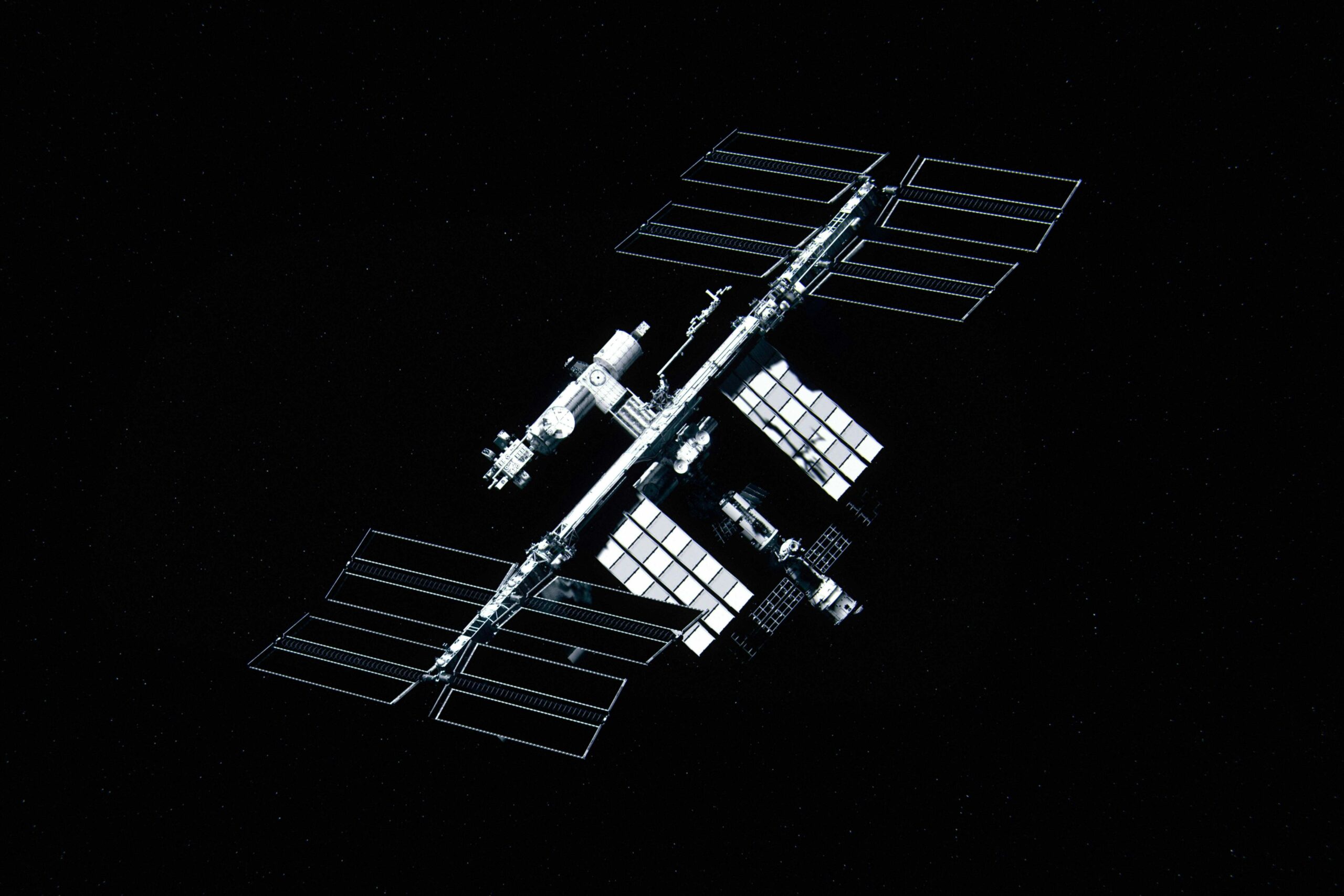
    Starting with the Crew-12 mission to the International Space Station and extending to the Artemis II lunar flyby mission, NASA will allow astronauts to bring modern smartphones – both iPhone and Android devices to allow the biggest feud of the digital age to extend into space – on missions previously reserved for highly specialised hardware.

    According to NASA Administrator Jared Isaacman, this decision gives crews better tools for capturing moments and sharing them with the world, but it also represents a qualified shift in how consumer technology can be incorporated into spaceflight systems.

    But how exactly?


    From Specialty Hardware to Consumer Off-the-Shelf


    Space agencies have traditionally been incredibly cautious about the hardware they send beyond Earth. Electronics must pass rigorous testing for radiation tolerance, vacuum performance, thermal extremes and electromagnetic interference – conditions far harsher than typical consumer environments. But the fact that NASA has now qualified modern smartphones for spaceflight at a faster timeline than usual suggests that some of these long-held assumptions are being reassessed. Kind of how we used to think having a cell phone switched on during a flight might result in the entire aircraft spontaneously combusting.

    Now, this isn’t the first time NASA has experimented with mobile devices in space.

    As far back as 2013, NASA launched a series of PhoneSats – nanosatellites built largely around off-the-shelf smartphones – to orbit and transmit data. These experiments showed that a commercial phone’s sensors and processing capabilities could make a viable “brain” for a cube satellite, at a tiny fraction of the cost of traditional spacecraft electronics.

    As such, that concept continues to influence how NASA and other organisations approach low-cost space systems today. Modern smartphones pack powerful CPUs, high-resolution cameras, GPS receivers and multiple sensors – capabilities that once would have required bespoke, expensive hardware. In the PhoneSat missions, smartphones served as the core avionics of the satellite, managing tasks that would otherwise demand specialised engineering.


    Practical Innovation Meets Cultural Relevance


    Let’s be clear: smartphones aren’t flying mission-critical life support or navigation functions – well, note quite yet. But their inclusion signals two important trends.


    Affordable, Flexible Tooling


    Modern handheld devices offer capabilities that can augment traditional space equipment without prohibitive cost or engineering overhead. For example, even though NASA already equips astronauts with high-quality cameras and tablets, smartphones may provide quick-access imaging and data capture without extensive setup, which can be valuable during fleeting observational moments.


    Normalising Space Technology


    There’s also a cultural dimension to consider here. Smartphones are the world’s most ubiquitous computing devices. They symbolise accessibility, familiarity and a shared human experience. Allowing astronauts to carry them bridges the gap between space exploration and everyday tech use – a very powerful signal that space missions are not just elite engineering feats, but human endeavours that can engage broader audiences.

    According to many experts commenting on the topic, this helps make the narratives of space exploration more relatable and immediate for people everywhere. Even more accessible, in a way.

    For a generation raised on smartphone photography and video, seeing familiar devices used in extraordinary contexts may inspire deeper interest in science and innovation, potentially driving future talent into space tech fields.


    What Could This Mean for Startups and Commercial Space?


    For the tech and startup community, NASA’s smartphone experiment carries implications beyond catchy snapshots.


    Reduced Barriers to Entry


    If consumer hardware can perform reliably in orbit or near-orbital environments, as past nanosatellite missions like PhoneSat have suggested, then startup innovators could build and test spacecraft systems far more affordably than before.

    Cheaper off-the-shelf components make it easier for small companies to prototype, iterate and launch technology without multi-million-dollar budgets.


    A New Approach to Certification


    NASA’s decision to qualify commercial smartphones under an expedited process is noteworthy. Traditional aerospace hardware qualification can be lengthy and resource-intensive.

    Successfully integrating modern devices in space missions could encourage both public and private actors to rethink rigid certification pipelines, potentially lowering technical and procedural hurdles for new entrants.


    Expanded Data Capabilities


    The onboard sensors and cameras of smartphones may also support future scientific and operational tasks. While not replacements for dedicated instruments, they can complement existing payloads in small spacecraft designs or serve as flexible, multi-purpose modules in missions where cost and weight are critical constraints.


    A Subtle Shift With Meaningful Signals


    It would be a mistake to characterise NASA’s smartphone integration as simply a clever PR move. There is value in generating captivating visuals for global audiences, but the real story is more nuanced.

    This step reflects a shift in thinking that aligns with broader trends in technology: leveraging commercial hardware where possible, embracing iterative innovation, and bridging specialised systems with familiar consumer products.

    In an era where startups are increasingly involved in space ventures, this approach resonates with a larger shift toward agile, cost-effective and open technology ecosystems – the kinds of ecosystems where nimble innovation is rewarded, not just deep pockets.

    Smartphones in space may seem symbolic, but their presence really highlights how much space tech has evolved, and potentially more importantly, where it might be headed next.


    Source link

    Share. Facebook Twitter LinkedIn Email
    Previous ArticleHow Elon Musk is rewriting the rules on founder power
    Next Article Benchmark raises $225M in special funds to double down on Cerebras
    bibhuti
    • Website

    Keep Reading

    10 Startups Crowdfunding w/c 01.06.2026

    Hackers Tricked Instagram’s AI To Leak Your Log In Details – How Can Users Stay Protected?

    The Women Behind MENA’s Most Exciting AI Startups

    AI Experts React To Anthropic’s Plans To Publicly Release Mythos

    Why The Gulf Could Become The World’s Most Exciting Deployment Zone For Physical AI

    What Happens When 100+ EU Founders Market An Entire Tech Ecosystem Like A Product?

    Add A Comment
    Leave A Reply Cancel Reply

    Editors Picks

    89th Utkala Dibasa Celebration Brings Odisha’s Vibrant Culture to London

    April 8, 2024

    US and EU pledge to foster connections to enhance research on AI safety and risk.

    April 5, 2024

    Holi Celebrations Across Various Locations in Kent Attract a Diverse Range of Community Participation

    March 25, 2024

    Plans for new Bromley tower blocks up to 14-storeys tall refused

    December 4, 2023
    Latest Posts

    Subscribe to News

    Get the latest sports news from NewsSite about world, sports and politics.

    Advertisement

    Recent Posts

    • Thousands of drivers caught out by AI police cameras
    • Defense tech is flooded with money, but who’s built to last?
    • 10 Startups Crowdfunding w/c 01.06.2026
    • M42 northbound within J8 | Northbound | Congestion
    • The Online Reinvention of Sarothica – Hollywood Life

    Recent Comments

    1. Register on Anycubic users say their 3D printers were hacked to warn of a security flaw
    2. Pembuatan Akun Binance on Braiins Becomes First Mining Pool To Introduce Lightning Payouts
    3. tadalafil tablets sale on The market is forcing cloud vendors to relax data egress fees
    4. cerebrozen reviews on Kent director of cricket Simon Cook adapting to his new role during the close season
    5. Glycogen Review on The little-known town just 5 miles from Kent border with stunning beaches and only 600 residents
    The News Times Logo
    Facebook X (Twitter) Pinterest Vimeo WhatsApp TikTok Instagram

    News

    • UK News
    • US Politics
    • EU Politics
    • Business
    • Opinions
    • Connections
    • Science

    Company

    • Information
    • Advertising
    • Classified Ads
    • Contact Info
    • Do Not Sell Data
    • GDPR Policy
    • Media Kits

    Services

    • Subscriptions
    • Customer Support
    • Bulk Packages
    • Newsletters
    • Sponsored News
    • Work With Us

    Subscribe to Updates

    Get the latest creative news from FooBar about art, design and business.

    © 2026 The News Times. Designed by The News Times.
    • Privacy Policy
    • Terms
    • Accessibility

    Type above and press Enter to search. Press Esc to cancel.

    Manage Cookie Consent
    To provide the best experiences, we use technologies like cookies to store and/or access device information. Consenting to these technologies will allow us to process data such as browsing behavior or unique IDs on this site. Not consenting or withdrawing consent, may adversely affect certain features and functions.
    Functional Always active
    The technical storage or access is strictly necessary for the legitimate purpose of enabling the use of a specific service explicitly requested by the subscriber or user, or for the sole purpose of carrying out the transmission of a communication over an electronic communications network.
    Preferences
    The technical storage or access is necessary for the legitimate purpose of storing preferences that are not requested by the subscriber or user.
    Statistics
    The technical storage or access that is used exclusively for statistical purposes. The technical storage or access that is used exclusively for anonymous statistical purposes. Without a subpoena, voluntary compliance on the part of your Internet Service Provider, or additional records from a third party, information stored or retrieved for this purpose alone cannot usually be used to identify you.
    Marketing
    The technical storage or access is required to create user profiles to send advertising, or to track the user on a website or across several websites for similar marketing purposes.
    • Manage options
    • Manage services
    • Manage {vendor_count} vendors
    • Read more about these purposes
    View preferences
    • {title}
    • {title}
    • {title}