











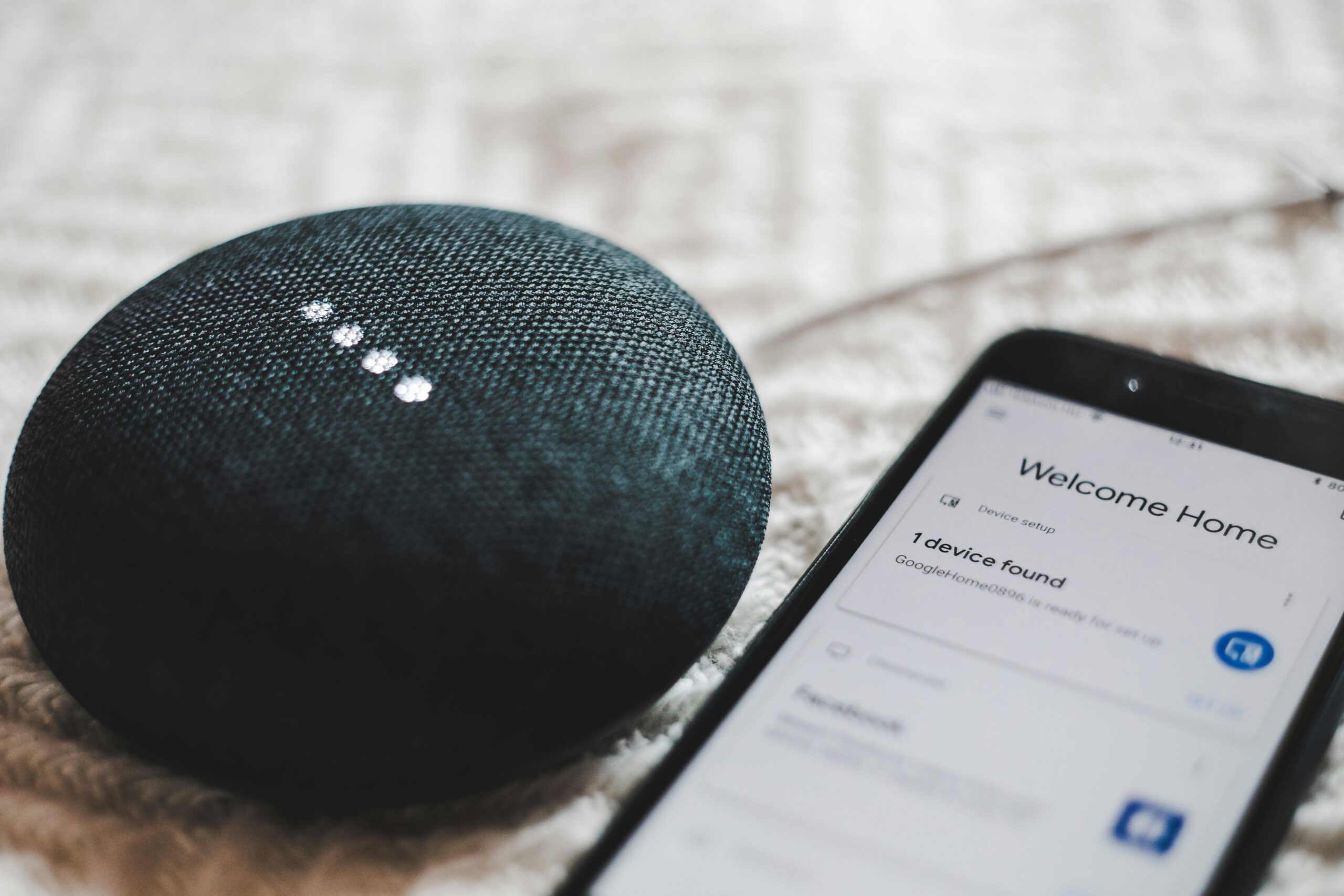
A case in the United States District Court for the Northern District of California is based on claims about Google Assistant recordings. The filing says Google Assistant can activate and record audio without a user saying a hot word or tapping to start it. The papers call these moments “False Accepts”.
The claim says audio from False Accepts was collected, used and shared to improve speech recognition. The filing says this broke promises in Google’s Privacy Policy and broke California’s Unfair Competition Law. Google rejects every claim and the court has not ruled on right or wrong.
The court approved a group of people who may take part. The notice says it is for users in the States who bought Google made devices and connected them to a Gmail account any time from May 18 2016 to December 16 2022.
Why Did Google Agree To A $68 Million Settlement?
Reuters reported that Google agreed to pay $68 million to settle claims tied to voice recordings. The report says the settlement was filed late on a Friday night in a federal court in San Jose and needs approval from U.S. District Judge Beth Labson Freeman.
The claim described in the Reuters report says Google Assistant recorded private conversations after it misheard hot words. Users said this led to targeted adverts. Reuters wrote that Google Assistant reacts to “Hey Google” or “Okay Google,” and that mistakes led to “false accepts.”
Court papers say Google denied wrongdoing and agreed to settle to avoid risk, cost and uncertainty tied to a trial. The company declined to comment when asked on Monday, according to Reuters.
Reuters also said the settlement covers people who bought Google devices or were subjected to false accepts from May 18, 2016. The report adds that lawyers for the plaintiffs may ask for up to one third of the fund, about $22.7 million, as legal fees.
Which Devices And Users Are In The Group?
The court notice lists Google made products that came with Google Assistant installed. These range from Pixel smartphones and Pixel Buds to smart speakers such as Google Home and Nest Audio, plus smart displays like Nest Hub.
The notice also names laptops and tablets such as Pixelbook and Pixel Slate, media players like Chromecast with Google TV, and earphones sold under the Pixel brand. Only buyers of devices made and sold by Google count.
The notice sets rules on user accounts where it says users are people whose Gmail accounts were linked to at least one Google Assistant enabled device during the class period. Ownership alone does not qualify without that link.
The notice adds a caution: “There is no money available now, and no guarantee there will be,” it says. It also says legal rights may change based on choices people make.
The same notice explains that a person may have received a letter and still not be a member. Only those who bought the listed devices, linked a Gmail account, and did so within the dates fall inside the group described by the court.


