










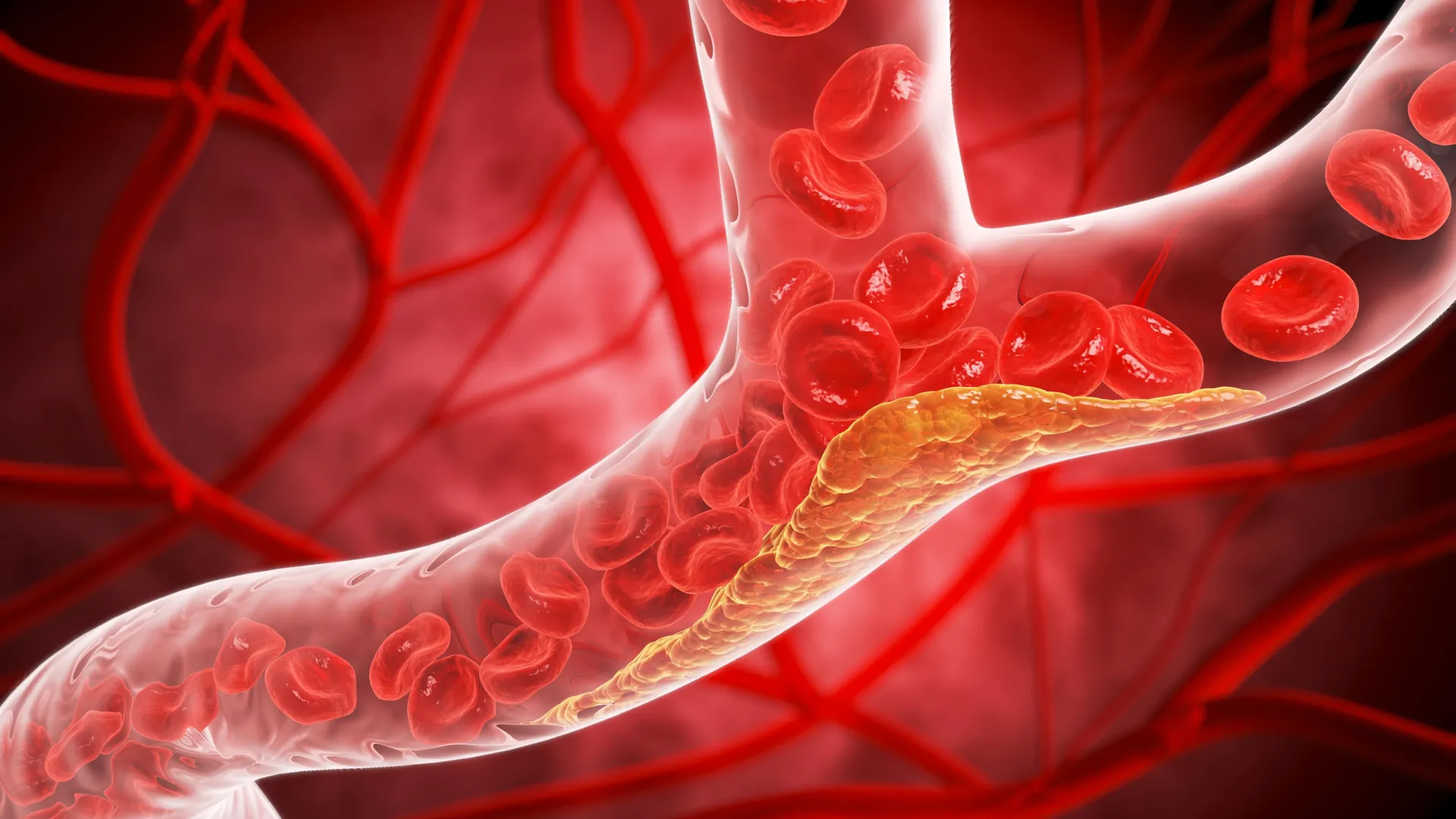
The risk of cardiovascular disease rises steadily the longer a person lives with type 2 diabetes. A new study from Karolinska Institutet, published in the journal Diabetes, suggests that changes in red blood cells may help explain this growing danger. The researchers also point to a specific molecule that could serve as a future biomarker for identifying cardiovascular risk.
People with type 2 diabetes face a higher likelihood of heart attacks and strokes, and that risk increases with each passing year of the disease. Earlier research has shown that red blood cells can influence how well blood vessels function in diabetes. The new study adds an important insight by showing that the length of time someone has diabetes strongly affects when these blood cell changes begin and how they develop. After many years, red blood cells may start to directly damage blood vessels.
Evidence From Patients and Animal Studies
To better understand these effects, the research team examined both animal models and people with type 2 diabetes. Red blood cells taken from mice and from patients who had lived with diabetes for a long time disrupted normal blood vessel function. In contrast, red blood cells from newly diagnosed patients showed no harmful impact. However, after seven years of follow up, those same patients developed red blood cells with similar damaging properties. When scientists restored levels of microRNA-210 in the red blood cells, blood vessel function improved.
“What really stands out in our study is that it is not only the presence of type 2 diabetes that matters, but how long you have had the disease. It is only after several years that red blood cells develop a harmful effect on blood vessels,” says Zhichao Zhou, associate professor at the Department of Medicine, Solna, Karolinska Institutet, and lead author of the study.
A Possible Early Warning Marker
The findings suggest that microRNA-210 in red blood cells could be used as a biomarker to help detect the risk of cardiovascular complications at an earlier stage. Researchers are now exploring whether this approach can be applied in larger population studies.
“If we can identify which patients are at greatest risk before vascular damage has already occurred, we can also become better at preventing complications,” says Eftychia Kontidou, doctoral student from the same group and the first author of the study.


