













| Updated:


Data centre planning applications hit an all-time high in the UK in 2025, City AM can reveal, as investors rushed to gain a foothold in the burgeoning AI market.
More than 60 separate planning applications for the construction of new data centres were filed in England and Wales over the course of the year, according to a City AM analysis of more than 300 local authority planning databases, representing an increase of 63 per cent compared to 2024.
The analysis excluded extensions to existing data centre sites, revisions to past applications and applications for other developments which included a data centre as part of the plans, meaning the true figure for the number of data centres seeking planning approval is likely to be significantly higher.
The surge in applications lays bare the scale of the demand for compute by the nascent AI industry, with large language models requiring more and more power to operate, and property businesses racing to re-invent themselves as data centre developers to cash in on investor appetite.

Dame Dawn Childs, chief executive of Pure Data Centres, told City AM: “With this AI bubble that everyone’s talking about…because of the increased valuations for powered land, everyone’s trying to get a piece of the pie, and that creates a bunch of fizziness.
“We’re seeing lots of people who are sending out on a daily basis: ‘we’ve got this significant plot of land with all of these megawatts of power in the middle of nowhere, it’ll be an AI gigafactory, buy it for a gazillion pounds’ – they’re absolutely trying to get increased valuations for scrappy industrial land.”
The lion’s share of the demand came from AI applications by Magnificent 7 firms, Childs said, but added that even without AI, there would likely have been a significant increase in applications due to increased cloud computing adoption across the British economy.
The analysis found that around half of the planning applications were situated in London and the South East, regions known as a European hotspot for data centres, though there were also signs of a growing number of data centres being constructed across different parts of the UK. Seven different applications were submitted in Wales during the year, along with another seven in the East Midlands, four in the North West and four in Yorkshire.
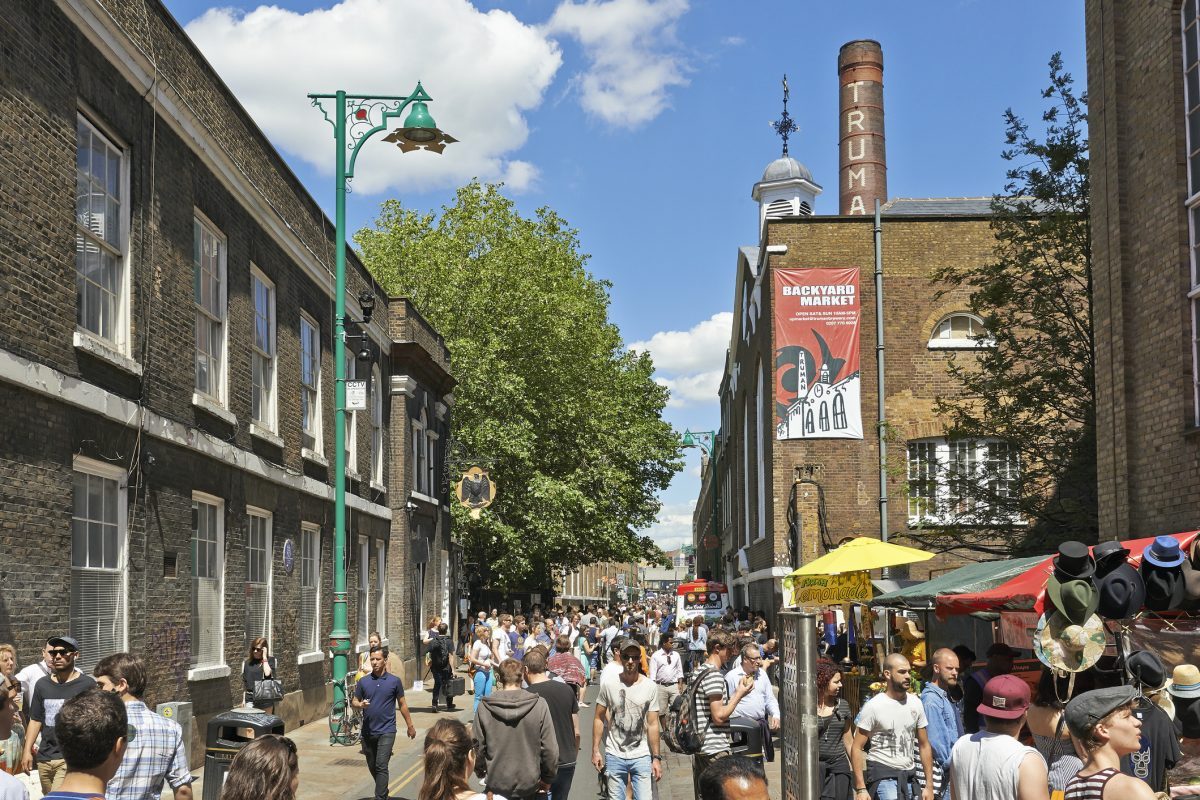
The analysis also found property firms becoming more and more creative over the sites chosen to redevelop into data centres in a scramble to gain planning approval. In Watford, developers picked the site of an abandoned Mercure hotel to build a data centre, while in Hackney, the old Truman brewery has been earmarked for conversion. In Nottinghamshire, a shuttered coal mine could be turned into a data centre, while in Chesterfield, a former landfill site could find a new lease of life churning out AI content.
These more ambitious developments were being led by technological advances by data centre hyperscalers, Childs said.
“Previously they needed their cloud regions to be within a certain geography, driven by the cost of power, the availability of power and the price of land,” Childs said.
“They’ve extended that margin now and for some of them they’ve actually doubled the circumference within which they’d be happy to have a child data centre site linked back to their central hub in a cloud region.”
The surge in data centre planning applications is also thought to have been propelled by the launch of the government’s AI Opportunities Action Plan just over a year ago, in which it called for the creation of ‘AI Growth Zones’ – areas designed to build AI infrastructure and attract outside investment and expertise. To date more than 200 submissions for AI Growth Zones have been made by local authorities across the UK.
Planning and power challenges
But the total number of AI data centres ultimately built is likely to be substantially lower than the number of planning applications filed, amid competition for investment and a scarcity of power supplies.
Google’s first UK owned and operated data centre, which opened last year, suffered a series of setbacks before it was ultimately completed.
When the first planning application for the site was submitted in 2018, Thames Water warned it had “identified an inability of the existing water network infrastructure to accommodate the needs of this development proposal”, while a utilities report found the local power supply was inadequate and a new 6km-long cable would have to be dug underground (including drilling under the M25) to connect up to a second National Grid substation.
As a result of power constraints, the “bring your own power” model is also being seen more and more across Europe, in which data centre developers partner with energy specialists to ensure power demands can be met, Childs said.
“Investors are either cautious and savvy and really understand the market… or they are new entrants who are just throwing their hat in the ring to jump on the bandwagon.”


