












| Updated:

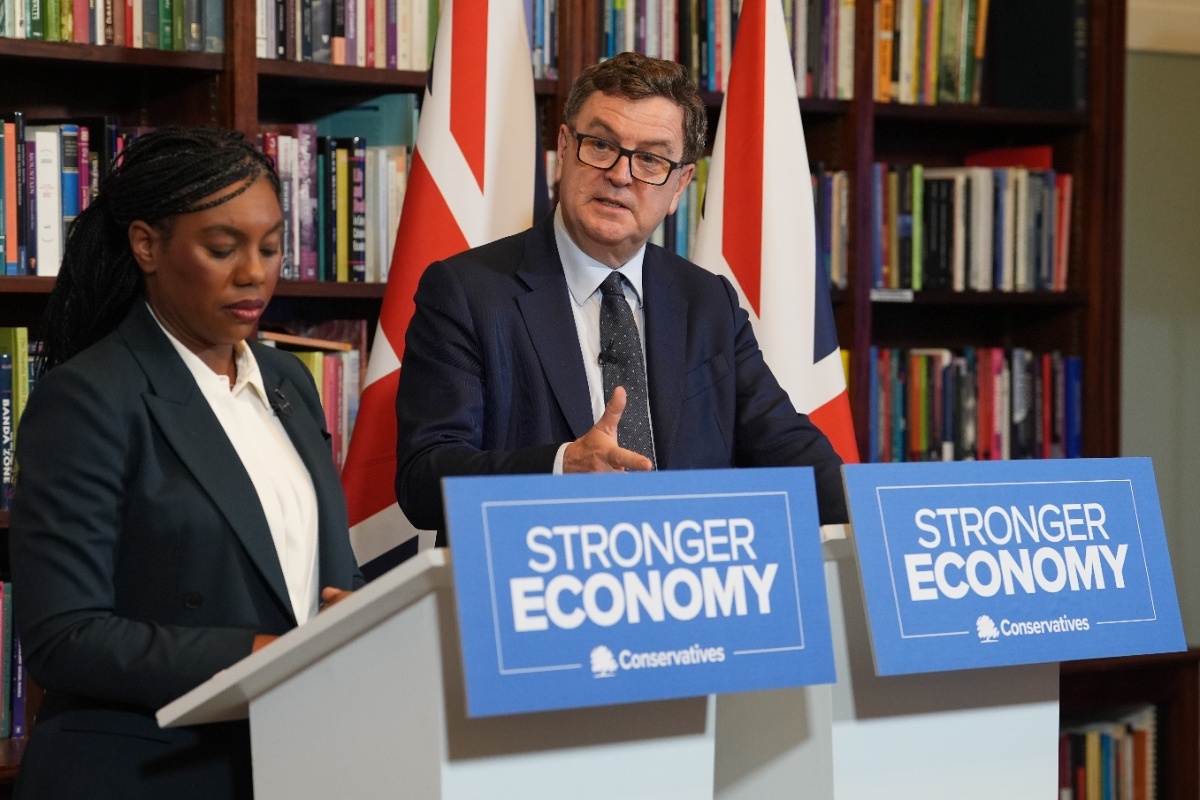
Shadow Chancellor Mel Stride has vowed to protect the Office for Budget Responsibility (OBR) in any future Conservative government, drawing a dividing line with Reform’s Nigel Farage on approaches to controlling public finances.
Stride is expected to re-establish the Conservative Party’s firm commitment to maintaining the fiscal watchdog as an independent body scoring the effects of the government’s tax, spend and growth-focused measures.
At an event hosted by the Institute for Government, the leading think tank for work across the public sector, Stride will hit out at Farage’s ambivalence around the OBR after the Reform leader repeatedly refused to commit to keep the forecaster.
“[The OBR] prevents Chancellors from marking their own homework, but their role has been questioned in some quarters,” Stride is expected to say on Tuesday.
“It is not hard to see why a politician like Nigel Farage might want to get rid of the OBR when he fought the last election on a manifesto which made £140bn of fantasy unfunded commitments.”
OBR could ‘benefit from reform’
Tory officials also believe its abolition would lead to an extra “premium” on borrowing costs, which are set to exceed £110bn in the current financial year.
They will also hope that a strong defence of the independent forecaster, which has come under intense scrutiny after the entire Budget was inadvertently leaked before Chancellor Rachel Reeves’ statement, can help build up the party’s credibility on economics.
In his speech, Stride is also set to suggest the OBR could still “benefit from reform”, drawing attention to the nature of economic modelling that captures the varying economic effects of tax policies.
In more emphatic comments, Stride will also distance the party’s economic policymaking efforts from former Prime Minister Liz Truss, claiming that a future government would not “undermine fiscal credibility” by sidelining the OBR and making unfunded spending or tax cut commitments.
Officials privately noted that Stride opposed Truss’ actions while serving as chair of the Treasury Select Committee at the end of 2022.
The fresh comments from Stride come more than half a year after Stride delivered a speech disowning Truss’ policy approach during her 49 days in Downing Street.
The Treasury Select Committee and the House of Lords Economic Affairs Committee are conducting separate reviews on the role of the OBR in public policy.
Former OBR chair Richard Hughes will provide evidence to the Lords Committee on Tuesday in his first public appearance since his resignation over the Budget leak.
The separate reviews are expected to offer the Labour government and opposition a set of recommendations on reforming the watchdog, making sweeping changes of economics policymaking all the more likely over the coming years.
Several MPs, including from the Labour backbenches, have raised concern over the powers of the OBR, with former transport secretary Louise Haigh leading attacks against “the unaccountable orthodoxy” of the public finances body.


