










| Updated:

Sport and athletes like Simone Biles, Lewis Hamilton and Lucy Bronze can play a key role in reframing attitudes on neurodiversity, writes Matt Readman.
Earlier this month Wes Streeting announced a review into how the UK is currently diagnosing mental health conditions, jumping on the bandwagon of those questioning whether normal feelings have become “over-pathologised”.
Part of this review will include a closer look at neurodiversity, and in particular ADHD and autism.
According to NHS England data, diagnoses of both these conditions have almost tripled in the last decade. This has led to claims that we are unnecessarily over-diagnosing neurodiversity, particularly ADHD, which saw Personal Independence Payment (PIP) claims increase by 20 per cent last year alone.
No one is doubting that ADHD and autism, in their more extreme forms, can have life-debilitating consequences or make stable employment extremely difficult. But it’s also true that many people with these conditions go on to achieve huge success, and that neurodiversity can even help them do so.
I worry that neurodiversity is being seen as a growing societal concern. Even the word diagnosis is unhelpful. It immediately assumes the discovery of a problem. For many, neurodiversity isn’t a problem; it’s a point of difference. In a competitive world, that difference can be an advantage.
Working in a creative industry, I’m surrounded by brilliant people with neurodivergent minds, particularly ADHD. Many of these colleagues only discovered this later in life. Studies show a strong correlation between ADHD and creativity, yet this is rarely the narrative we get to hear or read about.
It’s time to reframe how we see neurodiversity. We should be encouraging more people to understand how their mind works, not making them wait years for a formal diagnosis.
Research suggests that around 750,000 adults in the UK live with undiagnosed autism, while estimates for ADHD rise to around 2m. These people won’t all need government support, but understanding their brain could help many of them excel even more.
Stephen Fry has been a vocal advocate for brains that work in different ways, claiming that neurotypical equals boring. Society needs minds that work differently, and we should be celebrating that rather than seeing rising numbers as some kind of national crisis.
How sport and athletes can help
This is where sport can play a role. Sport is the ultimate competitive environment, where athletes are constantly searching for any possible advantage over their opponents. In this intense arena, neurodivergent athletes can often excel.
A common misconception about ADHD is that it means your brain can’t focus. In reality, it can also create periods of hyperfocus, which can be crucial when performing skills under pressure. It can also help with faster tactical decision-making.
Similarly, athletes with autism often excel at reading patterns in movement, space and opponents. They are also more likely to enjoy deep practice and repetition – essential traits for reaching the top. Athletes with dyslexia, meanwhile, often have a greater ability for big-picture thinking and spatial reasoning.
Neurodiverse athletes in general are also often adept at overcoming problems and challenges, which can help build resilient competitors.
It’s almost impossible to measure how much athletes succeed because of neurodiversity or despite it, but it is not inconsequential that the list of athletes with ADHD includes the most successful gymnast of all time, Simone Biles, and the most decorated Olympic athlete ever, Michael Phelps.
Meanwhile, among athletes with dyslexia you can count a seven-time Formula 1 world champion, Lewis Hamilton, arguably the greatest boxer to ever live, Muhammad Ali, and an all-time NBA great, Magic Johnson.
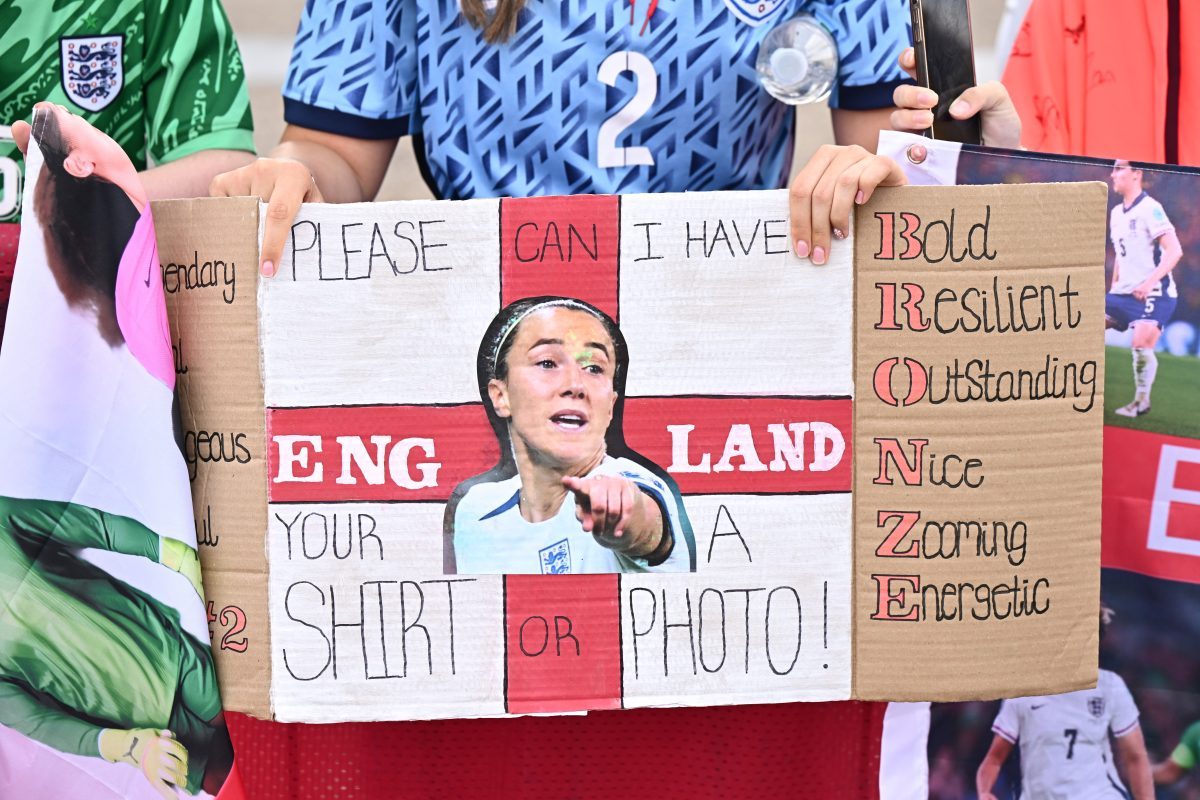
Autism can be a more challenging condition, and some athletes choose to compete in disability sport. But Lioness Lucy Bronze has spoken about how her autism helps her game. Similarly, surfer Clay Marzo has linked his style and expression in the sport to his autism.
Sport and neurodiversity have a strong connection. It is often a haven for people whose brains work differently, but it is also a space where neurodivergent minds can create a genuine competitive advantage.
World-famous athletes are hugely influential in changing opinion, particularly among teenagers and young adults who are at a key period in discovering how their brain works.
We can use athletes in the vanguard for a broader societal reframing. Instead of automatically assuming that neurodivergence is a disability, or that more diagnoses inevitably mean a greater burden on the state, we can help young people realise that everyone’s mind works differently – and that difference can give you an edge.
Matt Readman is chief strategy officer at sports creative agency Dark Horses.


