













Parents once argued over smartphone timing like a rite of passage. Now the debate is more pointed. The real question is how to give kids meaningful connections and a degree of independence without enrolling them in the full intensity of the adult internet. Families are no longer pretending the leap from toy walkie-talkies to fully connected smartphones makes sense. According to Common Sense Media, 42% of children now own a smartphone by age 10, which explains why so many parents describe their discomfort as inevitability rather than enthusiasm.
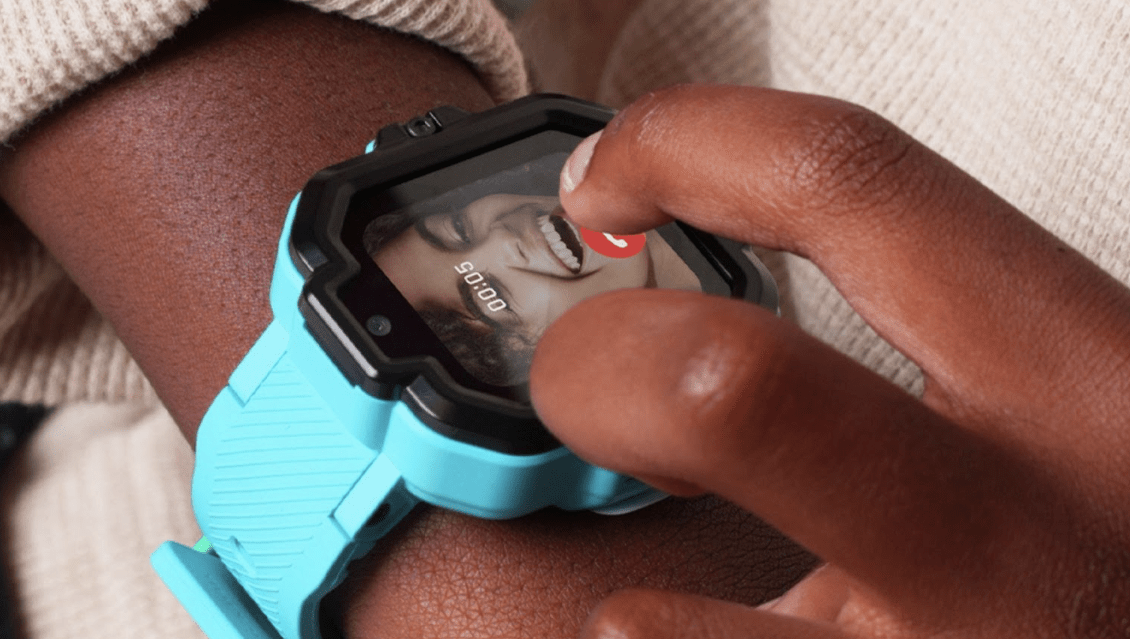
The children’s smart watch once seemed like a novelty. Now it has matured into the only tech segment that acknowledges what kids actually need rather than what tech companies want to sell them. TickTalk, founded by two parents who faced the same tension, has become the category’s most assertive example. TickTalk 5 behaves like a communications tool designed for children, not a smartphone with training wheels. It supports school routines, after-hours pickups, and sports practices without exposing young users to the noise and notoriety of the open internet.
Smart Watches for Kids Are Becoming the Safer Default


In every household, the tug of war is the same. Children want autonomy, and parents want guardrails. A pared-down phone feels like a compromise, but only on paper. In practice, it is still a phone, with all the cultural and behavioral expectations that come with it.
Research shows why parents hesitate. 68% of them fear early exposure to social media. They also cite cyberbullying, compulsive use patterns, and the bottomless content funnel that defines nearly every app ecosystem. A children’s smart watch is one of the rare devices built to avoid those traps by design rather than parental hope.
TickTalk’s interpretation of the category is blunt in its priorities. TickTalk 5 offers HD video calling, voice calling, end-to-end encrypted messaging, GPS SmartPin, and a Focus Mode that keeps school hours free of digital clutter. It operates without internet access, social platforms, or games. The result is a device that provides function without temptation and connection without unmonitored sprawl. It is a surprisingly modern idea in a market that still pretends children need miniature versions of adult devices.
Why Tech-Conscious Parents Are Paying Attention
Parents are sophisticated tech consumers now. Many work in digital industries themselves. They know when a product is padding features instead of solving problems. TickTalk’s designers, who are parents first and engineers second, built the watch for ages three and up with durability, comfort, and a battery life that can stretch to one hundred hours. This is the difference between a child being reachable at 5 PM and a dead device sending parents on a scavenger hunt.
The company’s recently launched out-of-app SMS capability is the latest example of its practicality. Released in November, it allows families to text the watch directly without downloading anything. Messages can include voice notes, emojis, and GIFs, which matter more to kids than most adults admit. TickTalk highlights the crucial detail that parents must approve every trusted contact. The company does not censor or monitor message content. Instead, it recommends open conversations about digital behavior.
When Safety Tools Become Everyday Tools


TickTalk frequently hears from parents who rely on the watch in situations that smartphone-centric companies rarely acknowledge. One parent described a moment of panic when their child boarded the wrong school bus. The SOS button and real-time GPS tracking resolved the situation within minutes. This is what functional technology looks like. Not dramatized rescue features, but straightforward tools that do their job without theatrics.
Because the TickTalk 5 is COPPA Safe Harbor certified and operates on a closed ecosystem, it differentiates itself from devices that rely on third-party apps or entertainment libraries. TickTalk refers to its mission as digital responsibility, which is increasingly the dividing line between children’s tech that is thoughtful and children’s tech that is merely repackaged.
Upgrade Your Child’s Safety
With a cultural shift toward safer entry-level tech, the children’s smart watch category is primed for a standout gift any time of the year.
TickTalk 5 offers a high control, low drama introduction to connected technology. It grows at the pace of the child rather than the pace of the tech industry. The market is catching on, and so are parents who are no longer willing to pretend that a smartphone is the only path to digital literacy. The future of kids’ tech is not smaller versions of adult devices, but purpose-built tools that acknowledge childhood as its own terrain.


