








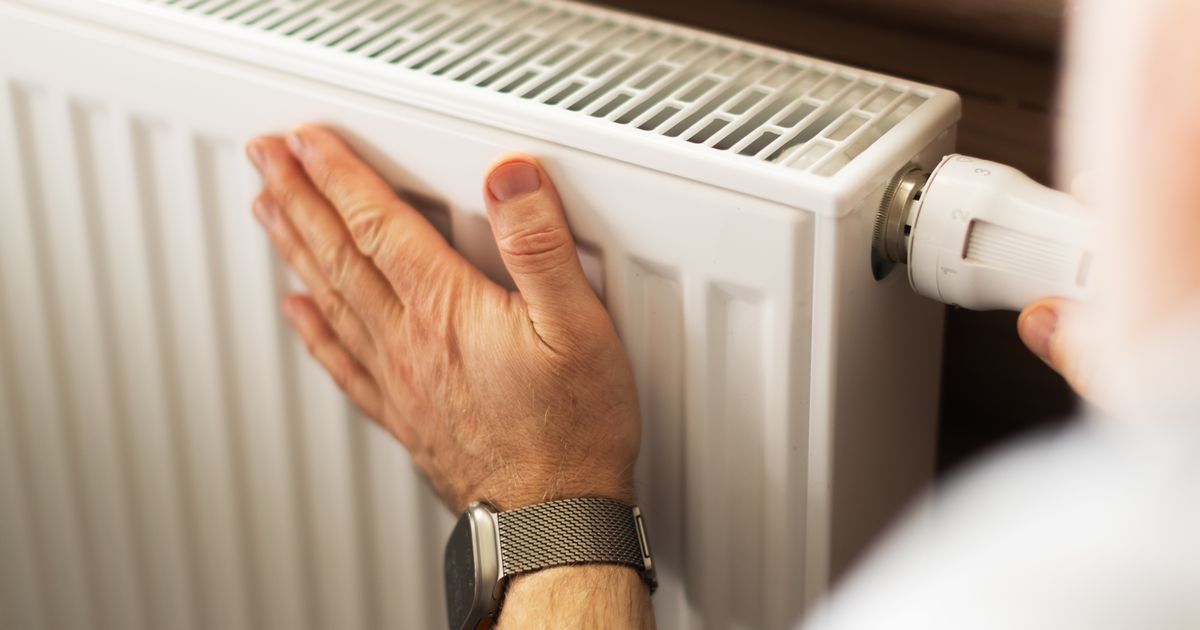
Consumer group Which? says keeping dials at this level could help reduce heating costs this winter


Homes across the UK are being urged to adjust a setting on their radiators to lower expenses and improve energy efficiency. The maximum setting is very rarely needed and could be costing people a fortune, when other settings offer a more cost-effective approach to staying warm this winter.
In a video posted on Facebook, consumer group Which? claimed: “Don’t have this dial [on the radiator] higher than three, unless it’s the room where your thermostat is. Whacking your thermostatic radiator up to five opens the valve to the max, letting loads of hot water run into the radiator when your central heating is on.
“If you have every room set to five, your heating bills could be higher than they need to be.” For the majority of households, rooms of a certain size and use don’t require radiators operating at full volume, reports the Express.
When a radiator valve is reduced, it uses up less hot water, meaning the boiler operates less frequently and uses less energy to warm the property. Putting some straightforward changes in place can help ensure people remain comfortable without overspending.
These tips are small but powerful, and take seconds to fix all around your property. In most cases, simply reducing the radiator to a lower setting could help cut costs on your typical energy bills.
Which room valves should be reduced?
In many properties, the lounge is often where the thermostat is located. Setting these radiators to level three helps maintain a pleasant temperature of around 20°C.
People might want to consider raising the temperature to level four for up to 25°C to provide a slightly warmer atmosphere or for a larger area. While it may seem smart to have maximum heat flowing into bedrooms to ensure comfortable sleeping conditions and easier mornings during the colder months, these spaces might stay just as cosy with lower temperature settings.
Which? experts recommended that bedroom radiator dials should be positioned between two and three. They suggest this range will “keep the room temperature between 15 and 20°C”.
Radiator settings and valves explained
Which? claims that adjusting the dial to a particular number will cause rooms to reach specific temperatures once the heating system activates. However, it can be hard to know whether a particular setting will feel excessively warm or cold.
The video features a useful chart displaying what the various settings roughly work out to in actual temperatures:
- Frost sign – Up to 7°C (stops pipes from freezing when heating not in use)
- 0 – Off
- 1 – Up to 10°C
- 2 – Up to 15°C
- 3 – Up to 20°C
- 4 – Up to 25°C
- 5 – Up to 30°C
According to a separate Which? report : “Your room thermostat and your radiator valves make sure you only use the energy you need in a directed way. If you use them wrong, you’ll be wasting energy.”
Which?’s experts claim that thermostatic radiator valves (TRVs) determine the desired room temperature before closing the radiator valves, preventing hot water from circulating through the radiator. They enable room-by-room heating control.
The specialists add: “If your thermostat is telling your boiler it’s too cold, while your radiators aren’t letting the warm water in, your boiler will just keep sending hot water around your pipes in a circle, wasting energy in a cold house.
“Your boiler will create hot water for as long as your thermostat tells it it needs to be on. This hot water will flow around your pipes, into your radiators and back to the boiler. If your thermostat is set to 20°C, but it’s in a room in which radiators are turned down to low settings or turned off, your thermostat will continue asking your boiler to run while your radiators refuse the hot water circulating around your home.”