










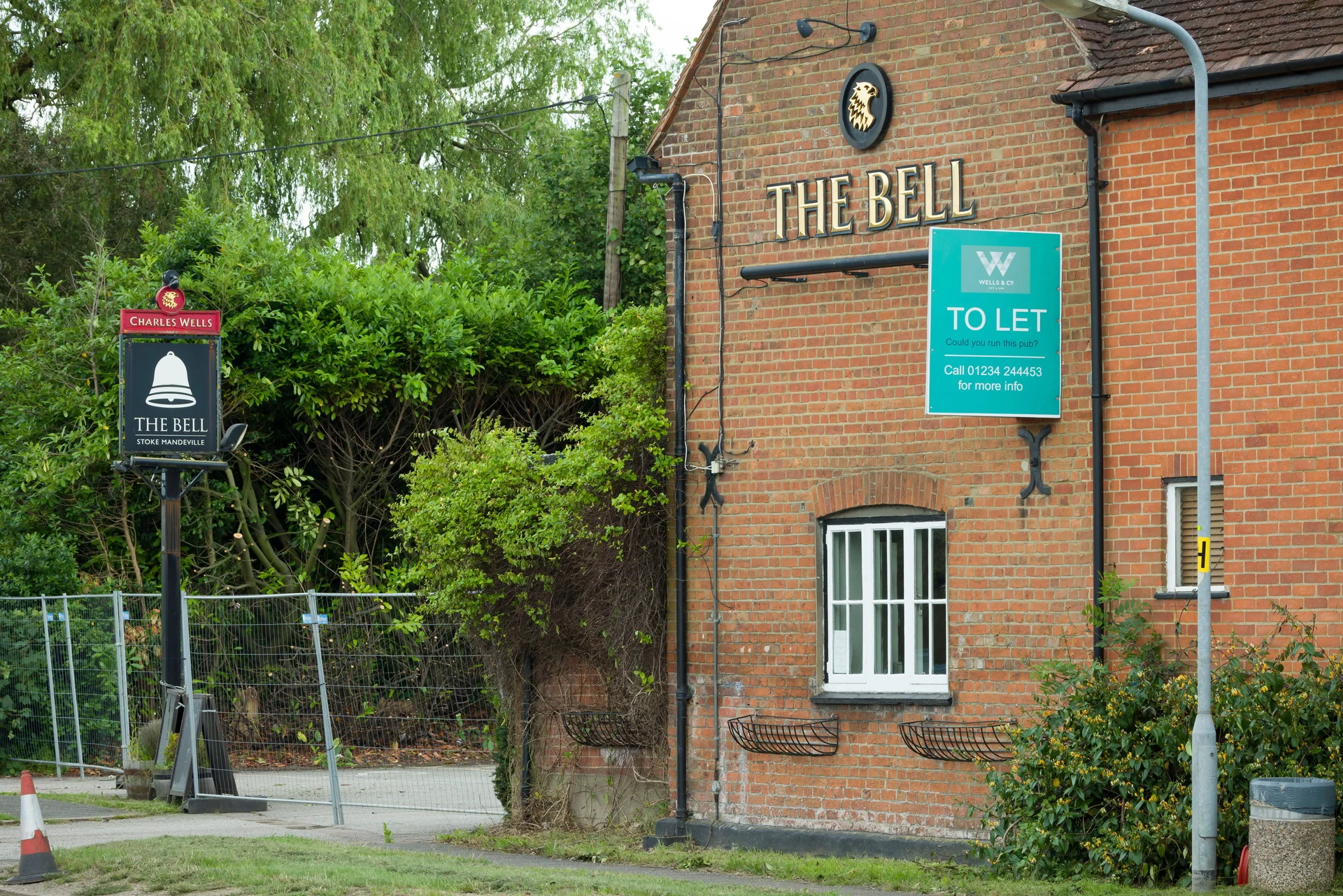
Almost a quarter of UK hospitality businesses are losing money, according to survey data from UK hospitality trade bodies, as pressures facing pubs and restaurants continue to bubble over.
The cause? Celebrity chefs point the finger at value added tax (VAT) costs, with Tom Kerridge’s #VATistheproblem campaign calling on the Government to cut the tax from 20% to 10%, arguing it would relieve financial pressure for venues, and to bring the UK in alignment with its European counterparts.
But VAT costs aren’t the only thing eating into margins. Rising National Insurance (NI) contributions, a higher national minimum wage and soaring energy costs are also adding strain on pubs and restaurants this summer – meaning venues may still need to find savings of their own to stay afloat.
UK pubs and restaurants are haemorrhaging money
In yet more sobering news for the hospitality industry, a new survey from UK Hospitality, the British Beer & Pub Association, the British Institute of Innkeeping and Hospitality Ulster has found that 23% of pubs and restaurants are currently operating at a loss. The figure marks a sobering jump from 15% only three months prior.
The survey also found that one in six businesses said they run the risk of going bust within a year, while 5% admit they are not financially viable.
On average, two pubs have closed their shutters for good every day since the start of 2026, as the hospitality sector battles a perfect storm of heavy tax burdens, surging operating costs, and rising business rates.
UK chefs claim axing VAT rates would help keep businesses afloat
These findings come as high-profile chef and pub owner Tom Kerridge calls for a permanent 10% VAT rate for the hospitality sector, launching his new #VATistheproblem campaign today.
The petition has currently secured over 240,000 signatures, and is backed by major trade bodies, such as the British Beer and Pub Association, UK Hospitality, and the British Institute of Inkeeping.
The UK’s VAT rate is currently 20%, and applies to most food, alcoholic and non-alcoholic drinks, and hotel accommodation. This is the second highest rate in Europe, with our neighbours France, Spain, and Italy all currently charging 10%. Kerridge argues that
Kerridge, best known for his two-Michelin-starred gastropub, The Hand & Flowers, argues the disparity is unsustainable: “Our hospitality culture in the UK is the best in the world, but we continue to be hit with unfair levels of tax. Almost every other country recognises the need to support hospitality with a lower rate of VAT.”
The potential VAT cut is estimated to cost the Treasury between £10.5bn and £12bn, a hefty price tag, but one some senior figures appear to be willing to consider. Andy Burnham, prime minister hopeful, previously claimed he would back a VAT cut for hospitality, arguing for a rate “more consistent with what you find in Europe”.
Yet, despite the growing chorus of support, a VAT cut is far from guaranteed. So far, the Treasury has rejected calls for a sector-specific reduction, and Burnham’s own team has failed to confirm whether he’d commit to the policy if he reached Number 10.
The government has also been criticised for not going far enough in the past, with its temporary VAT reduction on children’s meals being dismissed by venues for not moving the needle on the sector’s wider cost crisis.
What can pubs and restaurants do today to cut costs?
Ultimately, despite valid concerns, Kerridge’s latest campaign should provide ground for cautious optimism for business owners. But, in the meantime, there are still practical measures operators can take to ease pressure on their own margins.
Energy remains one of the highest controllable costs for hospitality businesses. Switching to LED lighting and using smart thermostats are practical ways venues control energy costs. The government has also recently launched an energy-saving scheme aimed at helping pubs and restaurants slash their energy bills, with the scheme’s pilot program seeing participating businesses cut bills by an average of £2,500 a year.
To tackle the burden of staff costs, business owners could consider cross-training staff to cover multiple roles and reduce reliance on agency workers. Reviewing rotas against actual footfall data can also help avoid overstaffing during quieter shifts.
Menu engineering is another lever. Cutting low-margin dishes, renegotiating supplier deals, and reducing waste through stronger portion control are all practical ways to protect margins without compromising the customer experience.
For struggling venues, it should be emphasised that none of these changes are quick fixes. But taken together, they can buy the breathing room needed to ride out a difficult year, rather than passively waiting on the government to act.


