












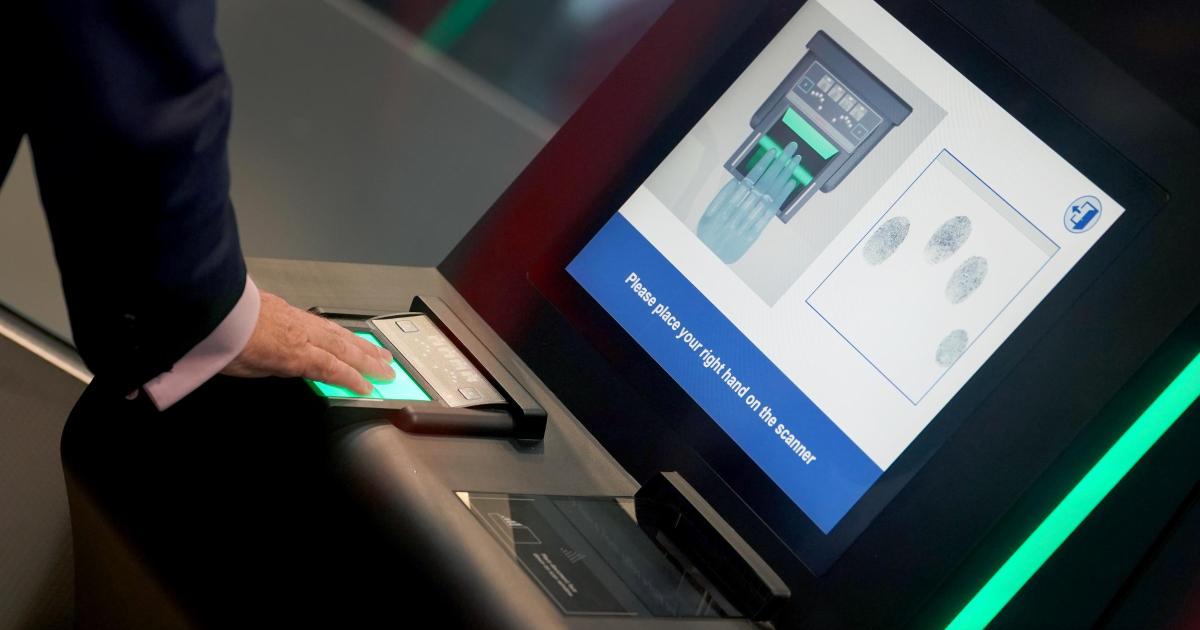


All those heading to the continent this summer are advised to prepare for the European Union’s new Entry/Exit System (EES), which digitally records the movement of non-EU nationals in and out of the Schengen area.
This applies to all EU countries except Cyprus and Ireland, as well as Iceland, Liechtenstein, Norway and Switzerland.
Alex Norris, Minister for Border Security and Asylum, said: “As the school summer holidays begin in Scotland, it’s important that those heading abroad remember the EU’s Entry/Exit checks.
“We encourage all families to follow travel operator guidance to know when to arrive at airports and ports and what to expect.
“While this is an EU scheme, we continue working closely with European partners and the travel industry on keeping journeys smooth.”
The EES replaces the traditional passport stamping process by capturing and verifying travellers’ passport details and biometrics such as fingerprints and photographs.
It is carried out at passport control on arrival and departure within the Schengen area.
Travellers using Eurostar from St Pancras, Le Shuttle from Folkestone or ferries from Dover will complete entry checks before leaving the UK.
Though the checks typically take only a few minutes per person, families are being warned to expect longer waits during peak summer travel periods.
Officials say that once registered, future crossings will be faster, requiring only a passport scan and one form of biometric identification.
Registration is valid for three years or until the traveller’s passport expires.
Travellers are encouraged to follow guidance from travel operators about when to arrive at ports and airports and to stay informed about requirements for outbound and return journeys.
Up-to-date, country-specific advice is available on the Travel Aware website, which also offers email alerts.
Further details about the EES can be found on GOV.UK and the EU’s Travel to Europe website.


