













| Updated:

Top banking bosses have issued their AI verdict after Standard Chartered stunned the sector with plans for sweeping job cuts last month. In this week’s column Samuel Norman looks at whether a reckoning could be on the horizon.
The big-name banker must have known how the conversation would go when he arrived for lunch with City journalists last month.
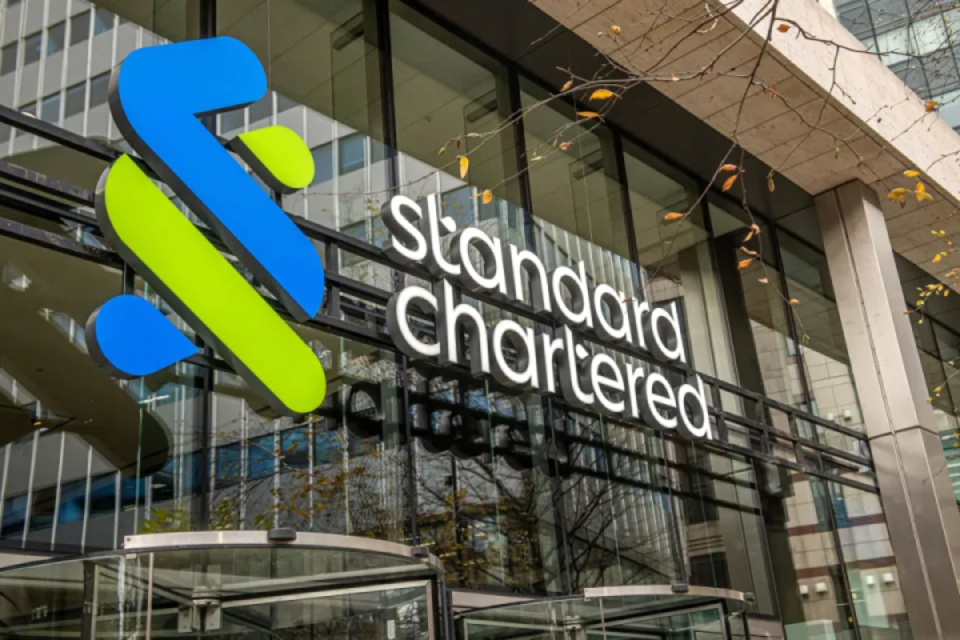
Just hours prior to our gathering, another top banking chief, the boss of Standard Chartered, Bill Winters, turned heads in the Square Mile after revealing plans to chop thousands of workers as his bank went all-in on AI.
We asked our C-suite lunch companion what he made of the impending industry jobs cull. His answer, delivered almost instinctively, was to claim there wasn’t one. Eyebrows were raised as colleagues cast aside their salmon bagels to continue the line of questioning. Yet still, the banker was insistent: no material effect was recognised.
In a way, his denial echoed Winters’ own corporate spin that same morning. The FTSE 100 chief – one of the longest serving blue-chip bosses with more than a decade at the helm – argued his mammoth chop to the bank’s headcount was not about anything as crude as cutting costs. Instead, he stirred controversy by explaining the bloodbath was just to replace “in some cases, lower-value human capital”.
As Standard Chartered rushed to quell the predictable PR crisis (Winters has since apologised for after causing “upset to some colleagues”) a handful of other banking chiefs have weighed in on just how many sector jobs will be lost to AI. Forecasts ranged from mild to wild.
In pursuit of the answer, I went digging through the avalanche of research that inundates my inbox daily.

Up to 20 per cent of banking sector on chopping block
The most eye-catching analysis came from Wall Street giant Morgan Stanley, which recently doubled its forecast for AI-driven job losses across the European banking sector. The firm estimates that as much as 20 per cent of roles could face the axe, amounting to a staggering 400,000 jobs. Similarly, figures from Juniper Research – commissioned by Zopa Bank as it launched its own AI training scheme – forecast that one in ten UK bankers would be on the chopping block come 2030, putting some 27,000 roles at risk.
To offer some relief from the gloom, Bloomberg Intelligence offered an optimistic prognosis, forecasting that headcount at top European lenders would actually get an average four per cent uplift. Look closer though, and the fine print pointed to a trade-off, with vulnerable middle-office positions wiped out to fund a hiring spree for engineering staff. While these reports don’t offer like-for-like comparisons, the underlying thread of some job losses seems beyond doubt, even if they are replaced by new roles.
Tomasz Noetzel, senior industry analyst at Bloomberg Intelligence, framed the impact on the 2.7m strong European banking workforce as a “realignment, not mass job losses, for now”.
The timing of this jobs reckoning is what continues to fluctuate. Scanning through messaging from bank chiefs, a pattern – or PR strategy – emerges: to kick the responsibility of this shake-up into the long grass.

JP Morgan chief Jamie Dimon – often described as the world’s most influential banker – has said AI “will reduce jobs down the road”.
He said there will be different types of jobs and banks will be hiring more AI people.
Georges Elhedery, HSBC’s top boss, has said generative AI will destroy certain jobs and will create new jobs.
Barclays chief CS Venkatakrishnan – known as Venkat – says the “fundamental impact” hasn’t come through yet.
Global banks kick off the cuts
Standard Chartered fired the starting gun in London with the prospect of taking out 8,000 roles. But that’s not to say we haven’t seen similar moves before. City AM revealed last year that Lloyds Banking Group told some 6,000 tech and engineering staff that their jobs may be at risk of redundancy as it sought to beef up its digital banking offer.
Lenders across the globe are already making moves. In March, Japanese firm Mizuho announced plans to axe up to 5,000 jobs over a decade as it pumps ¥100bn (£466m) into its AI action plan. The firm employs a 65,000 strong workforce across more than 35 countries.
Wall Street lender Citigroup has cut a fifth of staff from its wealth business since 2023 as part of a sweeping overhaul of the division following the introduction of an AI-powered wealth management assistant capable of providing clients with personalised financial guidance.
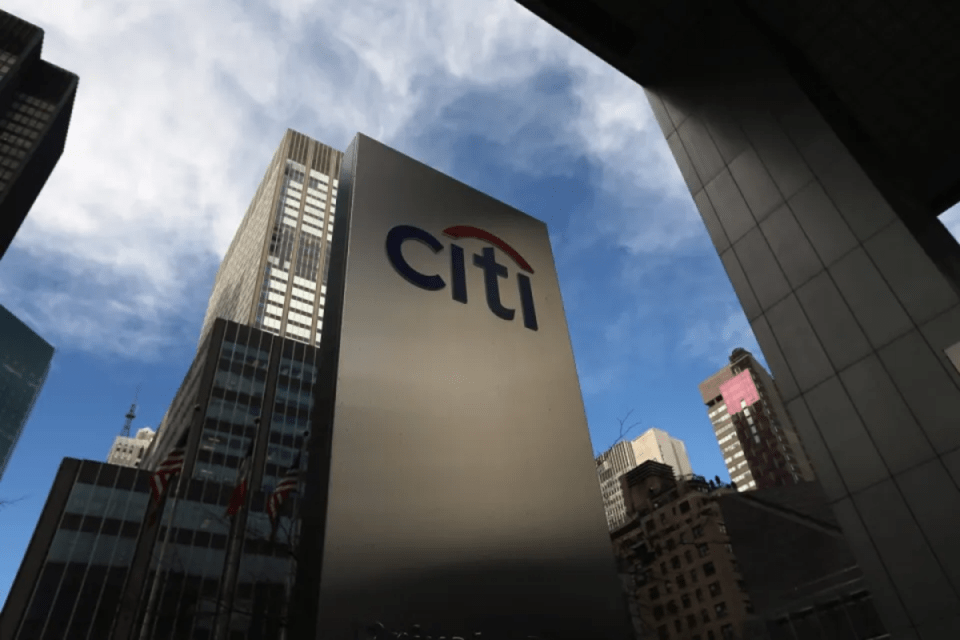
And reports are already pointing to who could wield the axe next. According to Bloomberg, HSBC is mulling a restructure that would see the bank slash 20,000 jobs globally over the next three to five years as it leans into AI for administrative functions.
The pressure to cut costs looks as if it’s here to stay. Barclays laid out a new plan to deliver £2bn in cost savings when it dropped its annual results at the beginning of the year as Venkat told shareholders the firm would be “harnessing new technology, including AI, to improve efficiency”.
As the clock ticks on these cost-cutting mandates, top bosses might choose to let loose the algorithms sooner rather than later. UBS analysts said earlier this year banks will be “pressed hard” to sell their AI narrative.
Perhaps, the only thing left to figure out is how to deploy the tech fast enough to satisfy investors, while leaving just enough time to focus on the stakeholder messaging.


