












| Updated:

The government is ramping up efforts to offset the impact of the Iran war on UK businesses as concerns over energy prices continue to grow.
In its latest attempt to ease the damage caused by the Middle East conflict, the government has opted to work directly with businesses, with the prime minister preparing to chair the next Middle East Response Committee on Tuesday.
The committee is now being supported by a new Contingency Planning group, consisting of secretaries relevant to the situation, and chaired by chief secretary to the prime minister, Darren Jones who will “scrutinise” committee plans.
Finding a permanent solution
Jones said: “This is not our war. The government made the right call to stay out of the conflict and only take defensive action to protect Britain’s interests.
“We’re acting now to prepare for, and mitigate where possible, the impact on our economy and domestic security as a result of the conflict.”
Jones also noted that Starmer wants to “see a toll-free Strait of Hormuz reopened as soon as possible”, and is working with international partners to find a permanent solution.
The status of the waterway has been a key element of the conflict, with both Iran and the US vying for control after Trump sent the US Navy to enforce a blockade in the waterway on 13 April, which Iran has argued violates ceasefire terms.
The US Navy has performed a blockade in the waterway since 13 April, initially claiming it would only stop ships going to and from Iran.
French president, Emmanuel Macron, echoed Starmer’s want for the waterway, reiterating his desire to see the passage opened to oil traffic “in the coming days and weeks”.
Speaking at a news conference in Athens, Macron said: “We’re all in the same boat, and it’s not a boat we chose, if I may say. We’re victims of geopolitics and we’re victims of this war that started several months ago.”
More than a dozen countries have said they are willing to join an international mission led by France and Britain to protect shipping in the strait when conditions permit.
Next week, Jones will also urge Brits to continue filling up and using their cars as usual, while confirming shipments of jet fuel are continuing to arrive and that the CO2 supply has been bolstered to avoid a shortage.
Other steps taken
The government has already scrambled to support businesses, following outcry over potential soaring bills off the back of the war.
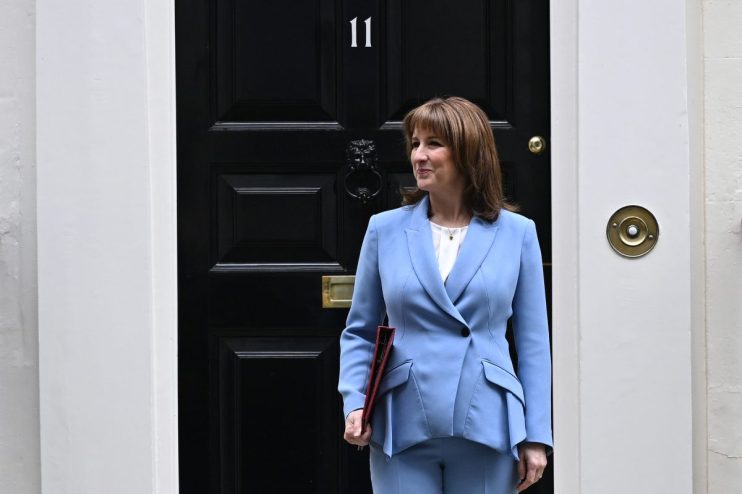
Earlier this month, chancellor Rachel Reeves announced an expansion of support for the most energy-intensive UK businesses.
The chancellor said the long-promised British Industrial Competitiveness Scheme would be expanded to cover 10,000 companies, up from the 7,000 originally announced.
The scheme, which the government says will cut companies’ bills by up to 25 per cent, will not come into operation until next year, although in a significant concession Reeves said support would then be backdated to this month.


