




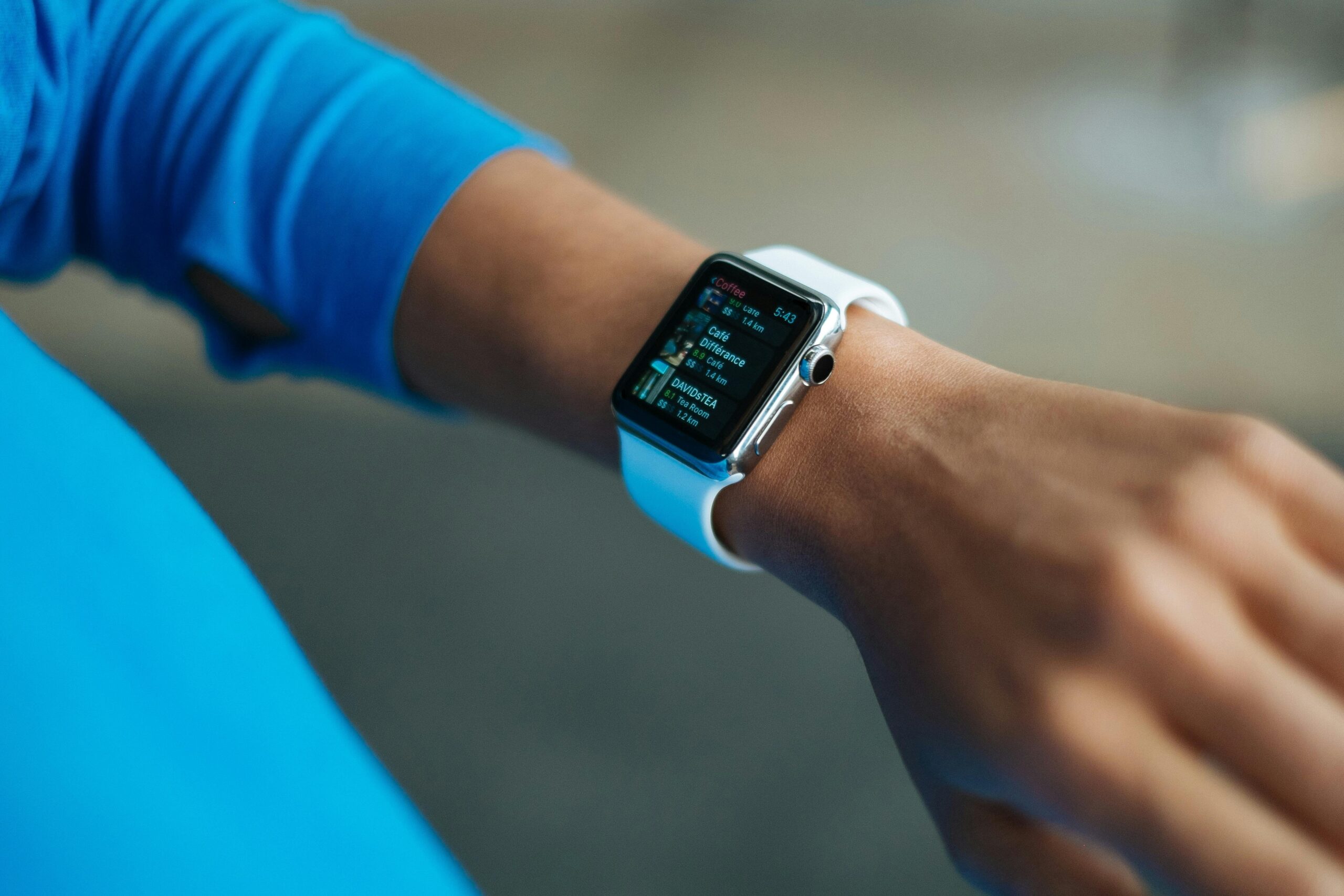
There is a huge change happening in the traditional gym grind. For a long time, the fitness industry was known for rows of treadmills, heavy weight machines and the “one-size-fits-all” group class. But as we get closer to 2026, a new wave of SportsTech startups is breaking down this old model and replacing it with one that is based on highly personalised data.
The disruption is no longer just coming; it’s here. AI coaches that change your reps in real time and smart rings that put your nervous system ahead of your calendar are just two examples. This is how SportsTech is changing the rules for how we move, eat and get better.
The End Of The Static Workout Plan
Do you remember the “Monday is Leg Day” rule or the PDF workout guide? Startups are now saying that they are things of the past. Actionable Intelligence is becoming more common in today’s business world.
Adaptive Programming
New apps like Freeletics and Fitbit have become Agentic AI. They don’t just keep track of your calories; they also plan your life. If your wearable detects that you didn’t sleep well last night or that your heart rate variability (HRV) score is high, the AI will automatically change your scheduled Power Hour to a 20-minute mobility flow.
Computer Vision Form Coaching
Startups are using the cameras in our phones as digital eyes. Companies like Peloton and other home-gym innovators have added sensors that instantly correct your form, so you don’t hurt your back while doing a deadlift. You don’t even need a $100/hour trainer to do this.
Wearables: From Step Counters to Medical-Grade Labs
More specialised and less noticeable form factors are competing with the “wrist computer” in 2026. The goal has changed from gathering information to making sense of it.
Smart Rings And Beyond
Companies like Oura and WHOOP have moved the needle toward “Readiness Scores” with their smart rings and other products. These devices don’t just tell you to take 10,000 steps no matter how tired you are; they also check your Heart Rate Variability (HRV) and skin temperature to see when your body is really ready for a PR.
Specialised Biometrics
Niche tech is becoming more popular, like Myoact, which makes “muscle maps” using electromyography (EMG) sensors. This lets users see exactly which muscles are working during an exercise, which connects fitness and physiotherapy.
Making Movement Fun
Boredom has always been the biggest reason people stop working out. SportsTech startups are fixing this by making exercise a high-stakes game.
The Metaverse Gym
Platforms like Zwift have made huge, social worlds where you can cycle or run with other people in a role-playing game. You’re not just on a stationary bike; you’re climbing a volcano in a virtual world with thousands of other people.
Immersive Augmented Reality
New augmented reality overlays can show you real-time coaching cues or ghost competitors while you run. This makes the solo grind feel like a competitive team sport, which cuts down on the quiet churn rate that is a big problem in regular gyms.
Precision Nutrition
Disruption hasn’t just happened in the gym; it’s also happened in the kitchen. Microbiome-first nutrition is taking the place of the keto or low-carb advice that works for everyone.
Metabolic Tracking
Startups like ZOE are using Continuous Glucose Monitors (CGMs) and gut health tests to give AI-generated meal scores. They’ve shown that two people can eat the same banana and have very different insulin reactions.
Automated Supplementation
Companies are now using data from wearable devices to make supplements. If your data shows that you don’t have enough vitamin D or need more magnesium because you’re training a lot, startups like Bleu Lab and others are moving toward bespoke blends that change based on your real-time biomarkers.
The Hybrid Gym
The move to the Hybrid Gym means a complete change in the way the physical workout space looks. In this new world, the dumbbells and manual treadmills of old gyms are being replaced by smart stations that are all connected to each other. Startups like Technogym and EGYM have made equipment that automatically recognises a user through their wearable, changes the seat height and resistance levels to fit their bio-profile and tracks power output in real time.
This change takes the gym experience away from costly, one-on-one coaching with a human and toward AI-driven micro-group training, where sensors give the same technical support that was only available to top athletes. Also, the layout of the modern gym has been changed to put as much emphasis on recovery as on exercise. It now has tech-heavy features like infrared saunas, cryotherapy chambers and percussive therapy stations that connect directly to a member’s recovery data to let them know when they have cooled down enough to go home.
The Digital Sweat Revolution
These new companies are making it easier to start living a healthy life and much harder to stop by making elite-level coaching available to everyone and making recovery as competitive as the workout itself.
