




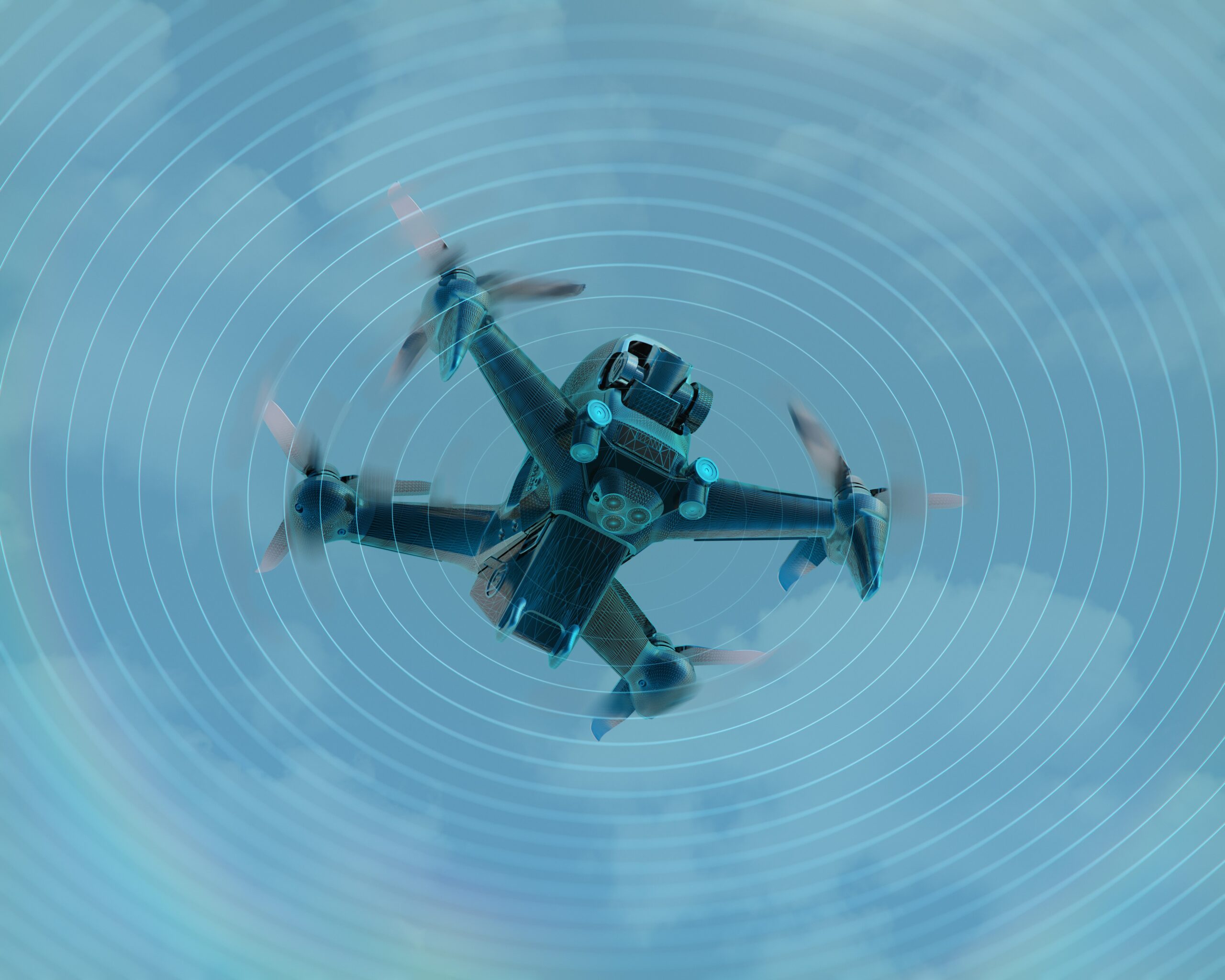
It seems that Britain and Ukraine will work together to sell drone technology abroad. According to Reuters, the agreement comes during President Volodymyr Zelenskiy’s visit to London, where he met Prime Minister Keir Starmer and NATO Secretary General Mark Rutte.
Four years after Russia’s full scale invasion, Ukraine has become a world leader in drone and anti drone technology, Reuters reports. Britain wants to work with Kyiv to support Gulf countries that face regular attacks from Iran, including attacks using Shahed drones supplied to Moscow.
Keir Starmer said in a statement, “Drones, electronic warfare and rapid battlefield innovation are now central to national and economic security, and that has only been further magnified by the conflict in the Middle East.” Downing Street said the two countries will agree a new military industrial partnership to boost drone supply and make sure AI is used effectively on the battlefield.
Britain also announced a £500,000 investment in a new AI centre in Ukraine to study how the technology works on frontlines. The talks also looked at cooperation with third countries and progress on the Coalition of the Willing.
How Are The UK And US Working Together On Anti-Drone Systems?
The U.S. Department of War and the United Kingdom Ministry of Defence have signed a Joint Declaration of Intent to create common data standards for counter unmanned aerial system technologies. The effort is led by Joint Interagency Task Force 401.
The agreement deals with a long running problem. Different counter drone systems often use incompatible data formats, which makes it hard for forces to share information. The new standard will allow data to move more easily between systems and speed up the use of new tools.
Secretary of the Army Dan Driscoll said, “This agreement is a prime example of our commitment to modernization and strengthening our alliances. By establishing common standards with key allies like the United Kingdom, we not only enhance our collective security but also strengthen our defense industrial base and create new opportunities for streamlined foreign military sales.
“This initiative will accelerate our ability to deploy the most effective C-UAS capabilities to protect our soldiers. We intend to expand this effort to five other nations in the coming weeks so that the entire U.S. local, state, and federal ecosystem, and up to 25 countries, will be able to purchase from our JIATF 401 marketplace by this summer.”
Brig. Gen. Matt Ross, director of JIATF 401, said, “The lack of common data standards has been a significant barrier to integrating the best available technologies. This declaration is a critical step forward. By establishing these standards, we are sending a clear signal to industry through that. Vendors who adopt these standards will find a more direct path to getting their capabilities into the hands of our warfighters.”
Startups And Companies Responsible For Anti-Drone Technology
These are some EU/UK/US based anti-drone startups and companies that build these systems and tech. With anti-drone patents going up by 27% in the last year, it’s worth looking at who exists in the space already:
1. Dedrone Holdings

Dedrone builds airborne threat detection systems that analyse radio, radar and optical signals to spot unauthorised drones in real time. Its tools give clients a live picture of drone activity over cities, airports or sensitive sites, which then helps teams act before trouble comes. The tech uses both hardware and AI to make decision-grade info easy to read for operators.
2. Fortem Technologies

Fortem makes counter-drone radar and autonomous interceptor drones that chase down aircraft and capture them using nets. Its mobile radar scans wide skies and cues drones that know how to fly and pursue hostile UAVs on their own. Operators get a hands-off way to capture intruders without resorting to explosives.
3. Epirus
Epirus is a US defence tech group crafting high-power microwave systems that can deactivate enemy drones mid-flight. Its Leonidas platform combines directed energy with software specifically for the battlefield respond fast to swarms or solo threats. After a major funding round, the company is scaling production and exploring commercial defence opportunities globally.
4. Openworks

Openworks is a UK counter-drone pioneer known for its Skywall line: portable launchers that fire nets to snare unwelcome UAVs. At events or borders, Skywall units give security crews a direct tool to stop drones from entering restricted airspace. The design makes interception feel more like an action-ready gadget than a traditional defence turret.
5. Frankenburg Technologies

This Estonian startup builds low-cost interceptor missile systems that can take down hostile drones without costing as much as traditional air-defence weapons. Its engineering team includes defence veterans who have shaped the products for quick production runs. Live testing in conflict zones is planned to hone performance in real conditions.
6. Nordic Air Defence
From Sweden comes Nordic Air Defence’s pocket-sized mini interceptor, designed to be thrown or launched by small teams to counter aerial threats on the move. It can stay airborne for a spell while seeking a target, giving patrol units a portable way to counter low-altitude drones. The startup’s lightweight design makes that feel less like military kit and more like a tactical gadget.
7. Vizgard

Vizgard brings AI vision to defence cameras, teaching them to recognise drones and other flying objects automatically. Instead of relying on human operators to spot threats on grainy screens, Vizgard’s platform lets devices see and classify aircraft fast and accurately. It’s like giving “sight” to your existing security cameras so they notice what matters.
8. Origin Robotics

Origin Robotics in Latvia works on systems that help countries track and interdict unwanted drones over strategic airspace. Its designs help bridge the gap between basic detection gear and complete counter-measures, adding flexible tools for mixed defence teams. It’s a rising name in Europe’s expanding anti-UAS ecosystem.
9. Sentrycs

Ondas’ Sentrycs line brings down unauthorised drones using more unconventional digital protocols and not with noisy jams or missiles. This “cyber over RF” strategy identifies and mitigates threats without filling the air with interference. It’s already been deployed by German police units to secure public events at short notice.
10. Alta Ares
France’s Alta Ares builds interceptor drones and protective domes that work together to counter hostile UAVs over sites. Its systems tally radar, algorithms and fast aircraft that can fly out and neutralise warnings. The startup’s work has drawn attention from European defence officials looking for clever alternatives to pricey missile batteries.
11. Tekever
Tekever is a Lisbon-born aerospace and security company that uses surveillance drones with systems that feed live data to defenders. Their sensors and communication networks help organisations watch airspace closely and react quickly to unexpected drone activity. The firm’s reach into government contracts makes it one of Europe’s more versatile UAV tech names.
