




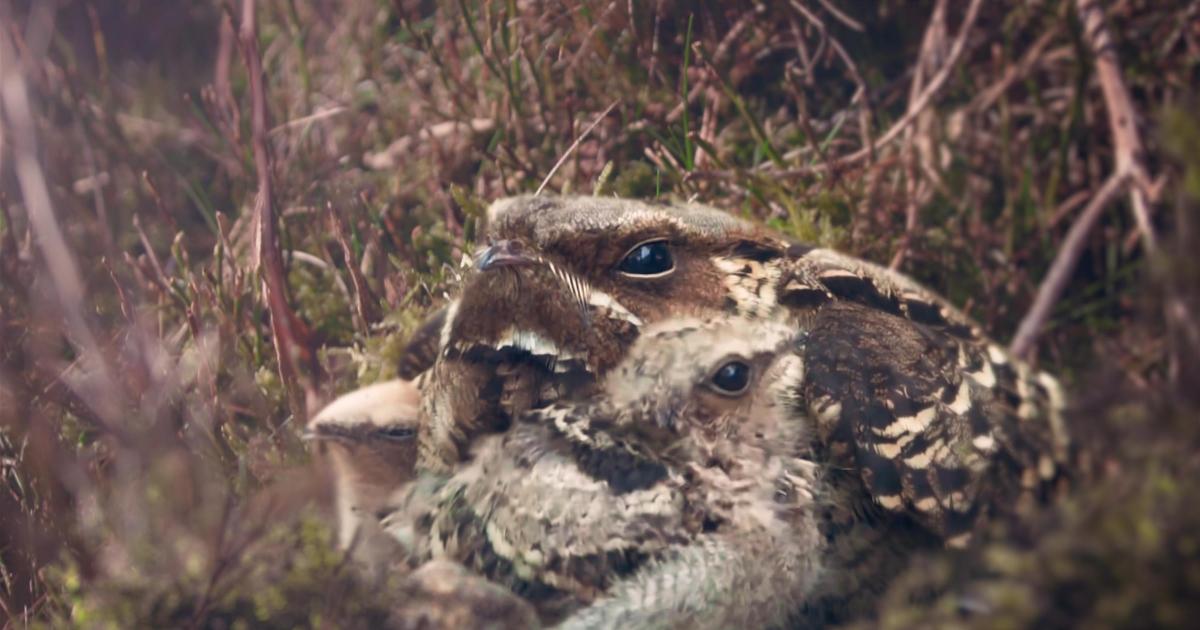
Numbers of the nightjar, nicknamed the ‘goatsucker’, have doubled in the South Downs National Park after five years of intensive habitat restoration.
Last year, surveyors logged 78 of the camouflaged birds in the park.
They also recorded 109 territories in the Special Protection Area in the lowland heaths of east Hampshire, which includes Woolmer Forest and the commons of Shortheath, Bramshott, Ludshott, Broxhead and Kingsley.

The numbers are the highest figures ever recorded in the area.
A spokesman for the park authority said: “They are one of Britain’s most elusive birds, known for their ‘churring’ song when darkness falls and a supernatural reputation thanks to their mythical ability to steal milk from goats.
“Now the nightjar is making a remarkable comeback in the South Downs National Park, thanks to nature recovery efforts and better habitat management.”
The birds are also known by a host of other names, including fern owl, the wheeler, the nightchurr and the dor-hawk.
Their ‘goatsucker’ nickname comes from an urban legend, when it was thought nightjars would drink milk directly from goats, poisoning them so their udders wasted away and they went blind.

Experts say the birds are thriving thanks to work to protect lowland heath — a habitat now as rare as rainforest.
For a decade, rangers have urged visitors to keep dogs on leads and stick to paths to avoid disturbing nightjars and other wildlife.
Engagement ranger Kirsty Murray said: “The results of the ecological report are so inspiring and really show what we can achieve together to help biodiversity bounce back.
“It’s largely down to the hard work of the land managers on these sites.
“It’s wonderful to hear the nightjars churring away as dusk falls and we’re looking forward to continuing this incredibly positive conservation work alongside local communities and our partners.”
Nightjars hunt at twilight and are best known for their distinctive churring song.
Every spring they fly 4,000 miles from the Democratic Republic of Congo to breed in the UK from April to August.
The species is still on the conservation amber list after development and farming halved its numbers in the late 20th century.
The birds are protected under the Wildlife and Countryside Act 1981.
Source link
[Featured]
[Just In]
