




How Creatine Usage Is Being Redefined
Like me, you have probably also heard all about creatine. It’s no stranger to the spotlight.
I first became aware of creatine supplements on overhearing the conversations of people at the gym. Usually, these were athletes or gym addicts who wanted to maintain their best form for aesthetic or sports purposes.
However, the popular supplement is no longer just a go-to supplement exclusively for gym buffs and competitive athletes. It’s far more than that, as I was intrigued to discover in fascinating reports which reveal a whole new side to creatine. This is a side which I didn’t expect. Amazingly, creatine is also great for the brain!
Office workers, students, parents, and even older adults, have cottoned on to creatine’s many benefits and are now mixing a scoop of creatine into their morning smoothies.They are doing this to promote sharper thinking, faster recovery, and also for anti-ageing support.

Reading these reports, makes me realise that the buff gym enthusiasts who rave about creatine supplements are onto something good… not just for their muscles but for their brains as well! The Wall Street Journal says it the best: ‘Creatine’s what’s hot and not just among the bodybuilder set.
Creatine is a naturally occurring compound found in muscle cells. It helps the body produce energy quickly. This is especially beneficial during high-intensity exercise or heavy lifting. It’s also the reason that it has been a staple for athletes seeking increased strength and lean muscle mass.
A recent survey reported in the National Library of Medicine says that of 1 103 young athletes surveyed, 62, or 5.6%, admitted to using creatine. That is a high percentage.
‘Creatine is one of the most extensively studied supplements and has been shown to increase physical performance in successive bursts of short-term, high-intensity exercise,’ says James Aitken, Head of Product at Crazy Nutrition in an interview with Runner’s World.
However, according to a BBC news report, creatine’s benefits for the brain are just as significant: “It’s been speculated that creatine might help to alleviate symptoms in patients with Alzheimer’s disease and improve mood.” That’s pretty phenomenal!
Dr Emma Derbyshire, a UK-based public health nutritionist, confirms these findings. “What’s becoming more evident is its value in cognitive performance and neurological health, particularly among ageing populations or those with low dietary intake.”
Recent research has indicated a growing body of evidence suggesting it may enhance memory, reduce mental fatigue, and support brain health in older adults.

One of the most exciting developments in creatine research is its potential role in healthy ageing and its suggested impact on healthy brain functioning. As we get older, our natural creatine stores decline, and this may contribute to loss of muscle mass, fatigue, and even cognitive decline. Studies now suggest that supplementing with creatine could counter some of these effects.
A 2021 review published in Nutrients says that creatine supplementation in older adults has been associated with improvements in short-term memory, reasoning ability, and fatigue resistance!
Creatine isn’t just being adopted by older adults. Many professionals, workers and students are now using it as a productivity supplement. They say that it gives them more energy, less brain fog, and improved motivation. This has led some biohackers and wellness influencers to dub creatine a “nootropic”. This is a fancy word for a brain-enhancing substance.
Although creatine’s non-athletic benefits are gaining ground, its original use for muscle recovery and physical performance still stands.Creatine can reduce muscle soreness, boost endurance, and speed up recovery.
This is particularly helpful for individuals returning to fitness after a break, or those dealing with the natural decline in muscle mass that begins around age 30. Some studies have even shown that combining creatine with resistance training can help older adults maintain strength and balance. These are key factors in preventing falls and preserving independence.
Another reason for creatine’s newfound popularity is its accessibility. Simply, it is inexpensive and widely available. It also has one of the strongest safety profiles in the supplement industry.
“Creatine monohydrate is one of the most studied supplements out there, with decades of data showing it’s both effective and safe when used as directed,” says Dr Lindsey Bottoms, a UK-based exercise physiologist and senior lecturer at the University of Hertfordshire. “Most people tolerate it very well, and it doesn’t require cycling or complex dosing.”
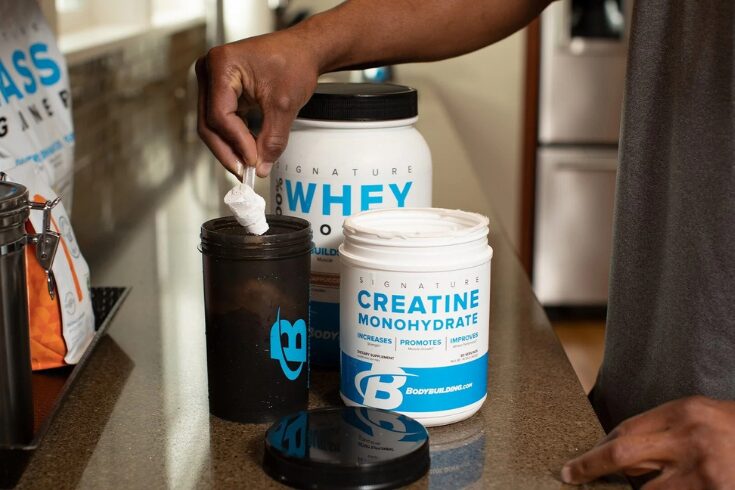
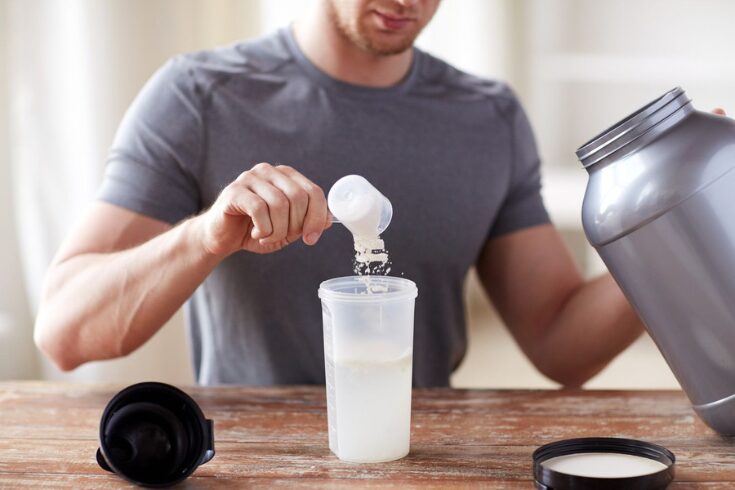
Creatine is typically taken in doses of 3 to 5g per day. Users often mix it into water, juice, or protein shakes.
However, while creatine offers numerous benefits, it’s not a ‘magic bullet’, as experts advise. It works best as part of a holistic lifestyle that includes a balanced diet, physical activity, and good sleep. Individuals with pre-existing kidney or health issues or medical conditions should consult a doctor before adding any supplement to their routine.
That said, for those looking to support their brain, body, or ageing process, creatine is emerging as one of the most promising everyday supplements on the market.
