





What Are Peptides And How Is Their Power Being Harnessed?
Peptides are having their moment in the limelight. Hailey Bieber, founder of Rhode Skin, and wife of Canadian singer, Justin Bieber, recently told Allure: “I love peptides for keeping my skin plump and hydrated. They’re a big part of my routine.”
It seems that Hailey is not the only celebrity trumpeting the benefits of peptide. Athletes, biohackers, and wellness seekers are joining her in giving peptides sparkling mentions.
It’s not hard to see why peptides are considered important. Here’s what I found out…
Peptides are chains of amino acids which are shorter than proteins. As a result they are more ‘bioavailable’ than protein molecules. This means that the body can absorb and use them more quickly.
Medical News Today explains them well: “People may confuse peptides with proteins. Both proteins and peptides are made up of amino acids, but peptides contain far fewer amino acids than proteins. Like proteins, peptides are naturally present in foods.”
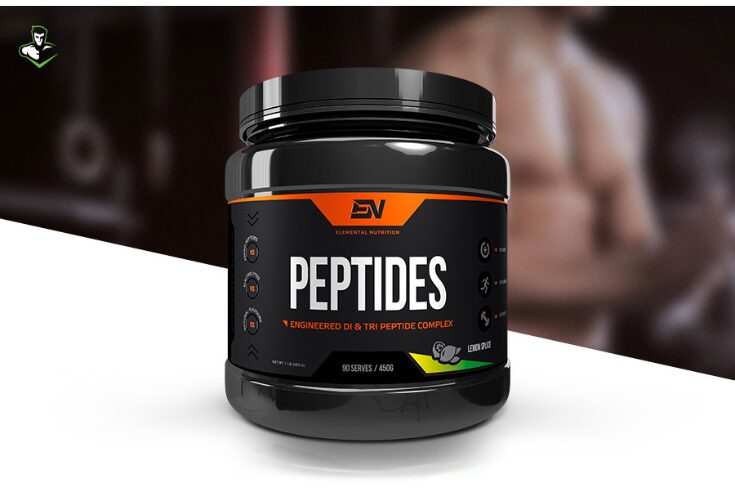
The article continues: “Due to the potential health benefits of peptides, many supplements are available that contain peptides that manufacturers have derived either from food or made synthetically.”
Simply, it’s their ease of absorption and nutritional value which has earned peptides the razzle and dazzle of social media acclaim.
What Is Peptide-Based Nutrition?
Peptide-based nutrition is actually nothing new. Clinics and healthcare establishments have long valued peptide-based supplementation formulae for the treatments of patients with gastrointestinal and malabsorption problems.
Now, everyday consumers are beginning to appreciate the value and benefits of peptide-based supplementation. It helps with maximising workouts, accelerating recovery, supporting gut health, and enhancing skin and cognitive function. At least this is what the online reports and influencers say.
Peptide-based nutrition involves the supplementation or consumption of pre-digested proteins, often in the form of dipeptides and tripeptides.
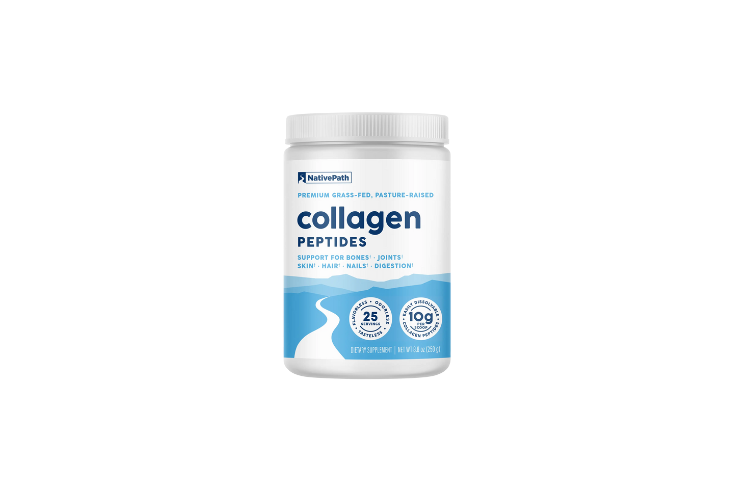
While peptides are naturally found in foods such as meat, fish, dairy, and eggs, peptide supplements and hydrolysed protein formulae are readily available. These formulate deliver peptides in concentrated and easily digestible forms.
A 2025 market insight report from Mintel notes that UK consumers are becoming more ingredient-savvy. They are now prioritising quality over quantity. The report found that over 40% of respondents were actively looking for protein products which are ‘easy to digest and gentle on the gut.’Peptides fit the description!
There has also been an increase of peptide-enhanced products on supermarket shelves, including specialised sports drinks, protein powders, and even snack bars.
Who Is Using It, And Why?
As mentioned, peptide-based formulae were initially reserved for medical nutrition therapy in hospitals and for patients recovering from surgery or suffering from Crohn’s disease and pancreatitis. However, they are now finding a broader audience.
“It’s about faster absorption and reduced gastric distress,” says Dr Sarah Holloway, a London-based sports nutritionist. “Peptide supplements allow for quicker protein synthesis post-training, which is especially useful in endurance sports or heavy strength cycles.”
Integrating peptide-based nutrition into your lifestyle doesn’t require an overhaul of your routine. Many supplement companies now offer hydrolysed whey or collagen peptide powders. These can easily be stirred into your morning’s smoothie, or coffee, or even incorporated into baked goods. These powders often contain minimal additives and are well-tolerated by those with sensitive stomachs.

If you’re vegan or vegetarian, look for plant-based peptide formulae made from rice or pea protein hydrolysates. These deliver similar benefits.
Timing also plays a role. “Taking peptides immediately after exercise helps support muscle recovery and growth,” says Dr Holloway. “But collagen peptides may be best taken with vitamin C in the morning to support skin and joint health.”
It’s also wise to start small. Introduce peptide supplements gradually. Then, monitor how your body responds.
While peptide formulae are generally safe, it’s always best to consult a GP or registered dietitian before you begin. This is especially important if you have existing health conditions.
Then, caution is advised in avoiding extreme behaviour and ‘overdoing’ it. Remember that nutritional balance is key. Reality star Bethenny Frankel is among those who believe that balance is essential. She says: “The obsession with protein is an out-of-control fad that everyday people are fixated on as if they’re training for the Olympics… It’s another marketing gimmick like keto or carnivore…”
The Future of Functional Protein
Peptide-based nutrition represents a new frontier in how we think about protein. These amino acid chains are definitely adding some spice to the existing protein revolution.
They have also upped the game in terms of protein incorporation into daily diets. It’s no longer just about meeting daily grams. It’s now also about how efficiently your body can absorb what you consume.
As consumers look for more tailored approaches to health and wellness, peptides are poised to become a staple in the functional nutrition toolkit.
