













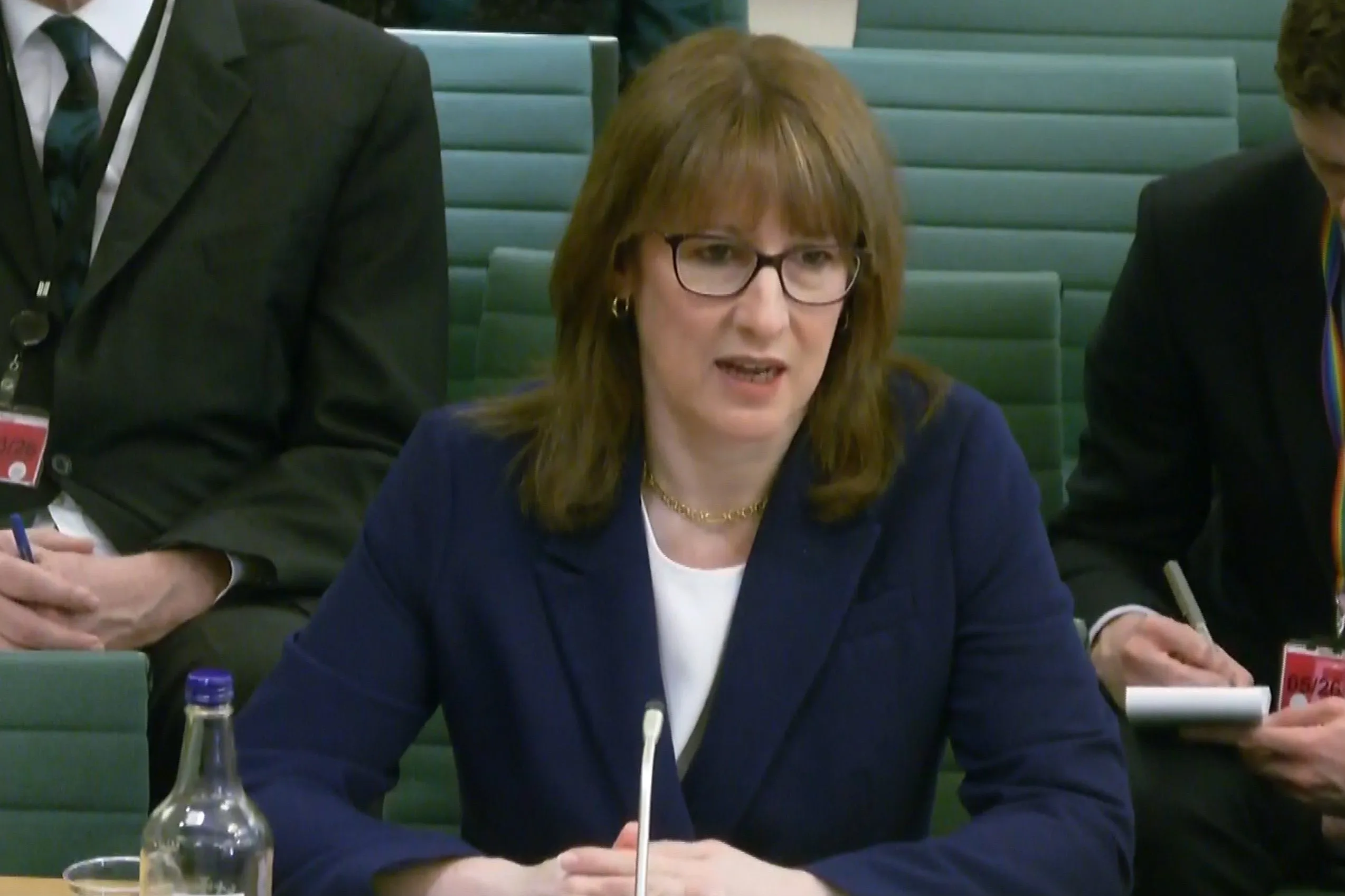

Rachel Reeves has indicated that the government can afford to provide a heavy subsidy package protecting Brits from soaring energy prices.
Appearing before the Treasury Committee on Wednesday, the Chancellor warned the war in Iran was “certainly not good” for the UK economy but suggested that the government was prepared to respond to the crisis by giving households support.
She said that her fiscal rules “give scope for interventions” within the next year on household bills. The next energy price cap from April will reduce household bills while the next cap for July will only be set by Ofgem in May.
The Chancellor also said any package would be “more affordable” than the previous government’s £50bn subsidy for households after Russia launched its full-scale invasion of Ukraine in 2022.
She argued the UK had moved away from importing oil and gas by expanding renewable energy, making the country less reliant on international markets.
“We are in a stronger position in the energy market than where we were in 2022,” Reeves said.
“Any future package, if it were necessary, would be more affordable.
“We are less reliant on energy price movements than when Russia invaded Ukraine because we have invested more in home-grown renewable energy, which is not subject to this price volatility.
She later added: “Nothing is off the table at this stage.”
Reeves gives North Sea oil companies the cold shoulder
Reeves defended the government’s sprint to net zero and making the electricity grid almost carbon-free by 2030 despite criticism that supporting North Sea oil companies could boost domestic energy security, increase investment levels and improve the UK’s balance of payments.
The Chancellor said there would not be immediate changes on the energy profit levy or electricity generators levy, which she claimed “play an important role in stabilising the cost of any intervention”.
The electricity generator levy is only triggered on “exceptional receipts” when power is sold for more than £75 per MWh. The energy profits levy, which taxes windfall profits made by North Sea oil giants and takes their headline tax rate to 78 per cent, is scheduled to be replaced by 2030 with a permanent oil and gas price mechanism that taxes companies when prices jump.
Instead, the government’s focus is on diplomacy measures to urge the US to “de-escalate” the conflict and for the Trump administration to enter negotiations with the Iran.
Potential release of oil reserves
Reeves also revealed the UK government was in negotiations with other countries to release strategic oil reserves in response to a price surge in oil markets.
She said finance ministers, energy ministers and world leaders were meeting each day to discuss a strategy on oil and gas prices given they could hit household bills within months.
She told MPs: “We are consulting with members right now consulting on the release of strategic oil reserves.
“The UK is willing to play its part in using those reserves to put downward pressure on oil prices and ensure that supply remains strong.”
Overnight, the US destroyed 16 Iranian vessels laying mines in the Strait of Hormuz, the passage in the Middle East that is critical for a fifth of the world’s oil supply.
It has also been reported that the International Energy Agency, which the UK is a member of, is preparing the largest release of strategic oil reserves in its history.


