





One of the best decisions I ever made was to drink more water. It seemed a simple tweak but it did so much for different aspects of my health. The one thing I noticed within a week, was that my skin had a glow to it, and even my hair looked healthier.
I also found that as I drank more water and less sugary drinks, I felt physically stronger.
If you’re trying to live healthier, I would encourage you to look beyond your plate. What’s in your glass could be just as important!
Sugary drinks and alcohol can wreak havoc with your health and milky coffees and so-called ‘healthy’ smoothies can quietly load your body with hundreds of extra calories each day. These have been called ‘liquid calories’. These are calories that go down easily, don’t fill you up, and add up far faster than we realise. “It’s definitely smart to prioritise food over drinks for your calorie intake,” says Smart Finds.
For this reason, we need to choose our drinks wisely. At mealtimes, what’s in your glass matters more than you think.
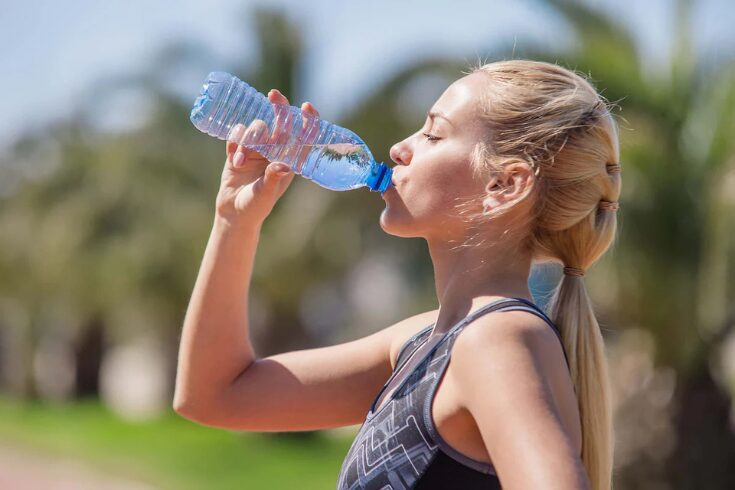
Statistics show that in the UK, the average adult consumes over 200 calories a day from drinks alone (according to the NHS). This is the equivalent of nearly two chocolate digestives, every single day, just from beverages.For many people, especially those who enjoy regular soft drinks, fancy coffees, or alcohol, that figure is far higher.
So why are liquid calories such a problem, and what can you do to cut back without feeling deprived?
The biggest issue with drinking your calories is that the body doesn’t recognise them in the same way as solid food. When you eat a meal, chewing, digestion, and fibre all trigger satiety signals that help you feel full. With drinks, those mechanisms barely activate.
Professor Susan Jebb, a leading UK nutrition scientist, has explained: “The problem with liquid calories is that people don’t compensate for them by eating less later. You drink a can of cola and still eat the same dinner. Those calories are simply added on top.”
That’s why a single 330ml can of regular Coca-Cola (139 calories and 35g sugar) doesn’t stop you reaching for a sandwich an hour later. Contrast that with 139 calories’ worth of fruit and vegetables, which would likely make you feel full and deliver fibre, vitamins, and slow-release energy.
The UK’s Sugary Drink Problem
Sugary soft drinks remain a major culprit. Despite the UK’s Soft Drinks Industry Levy (commonly known as the “sugar tax”), introduced in 2018 to encourage companies to reduce sugar content, Britons still drink a significant amount of sugar-sweetened beverages.
Consider this:
– In 2023, the British Soft Drinks Association reported that over 6.5 billion litres of soft drinks were sold in the UK.
– A single medium ‘regular’ milkshake at a fast-food chain can contain 400–500 calories. This is the same as a small meal.
– Energy drinks are a growing concern, with many containing 12 teaspoons of sugar per can.
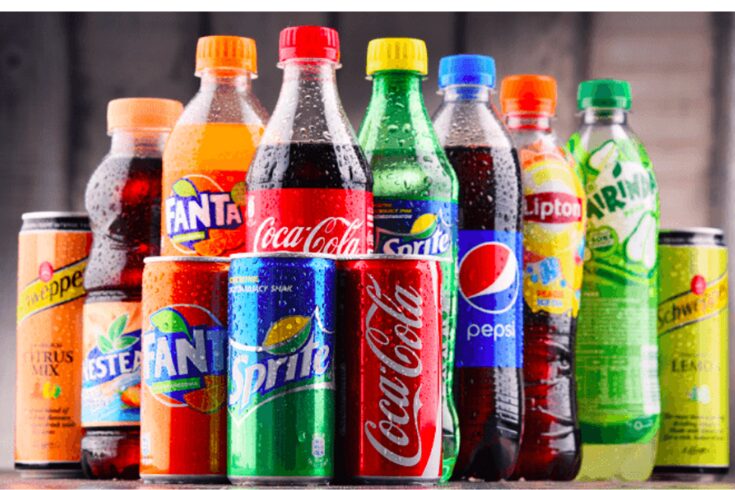
Public Health England (PHE) has warned repeatedly that sugary drinks are one of the leading contributors to obesity and type 2 diabetes. Their figures show that children and teenagers in the UK get almost a third of their daily sugar intake from drinks alone.
However, soft drinks might be the obvious villain, but they’re not the only ones. The modern high street is filled with calorie-laden drinks that masquerade as innocent, or even healthy.
A large caramel latte from a well-known chain can top 300 calories, with more sugar than a doughnut. –
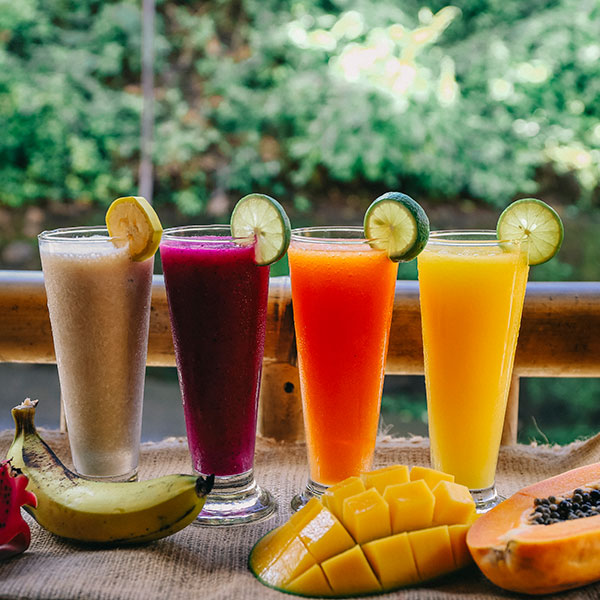
While fruit is healthy, blended juices and smoothies often strip away fibre and condense sugar into a drink which can cause blood sugar to spike. A ‘healthy’ bottled smoothie can have 40g of sugar, which is more than a can of Coke!
A pint of beer has around 180 calories, while a large glass of wine packs 200 to 250 calories. The NHS warns that regularly drinking alcohol doesn’t just add calories, but also lowers inhibitions, making overeating more likely.
So, how can you reduce liquid calories without feeling like you’re missing out? The key is finding alternatives that satisfy without silently adding hundreds of calories.
Water is simple, free, and calorie-free. Carry a reusable bottle and aim for 6 to 8 glasses a day. To add flavour, you can add slices of lemon or cucumber, or berries, or mint. Opt for sparkling water if you want a zing to your water, without the sugar hit.
Herbal teas are also naturally calorie-free and available in countless flavours.
Drink your coffee and tea sugar-free and black, and if you must have it ‘white’, use just a splash of milk, rather than cream.
Interestingly, studies show that when people switch from sugary drinks to water, they often lose weight without changing anything else in their diet. That’s how powerful this simple change can be.
What I’ve learned in my own journey is to be kind to myself. When you transition to less sugary drinks, try not to use ‘all or nothing’ thinking. If you slip up, just continue going. Start small and make gradual changes. Remember, it’s a journey and you’ve got this!
