




| Updated:
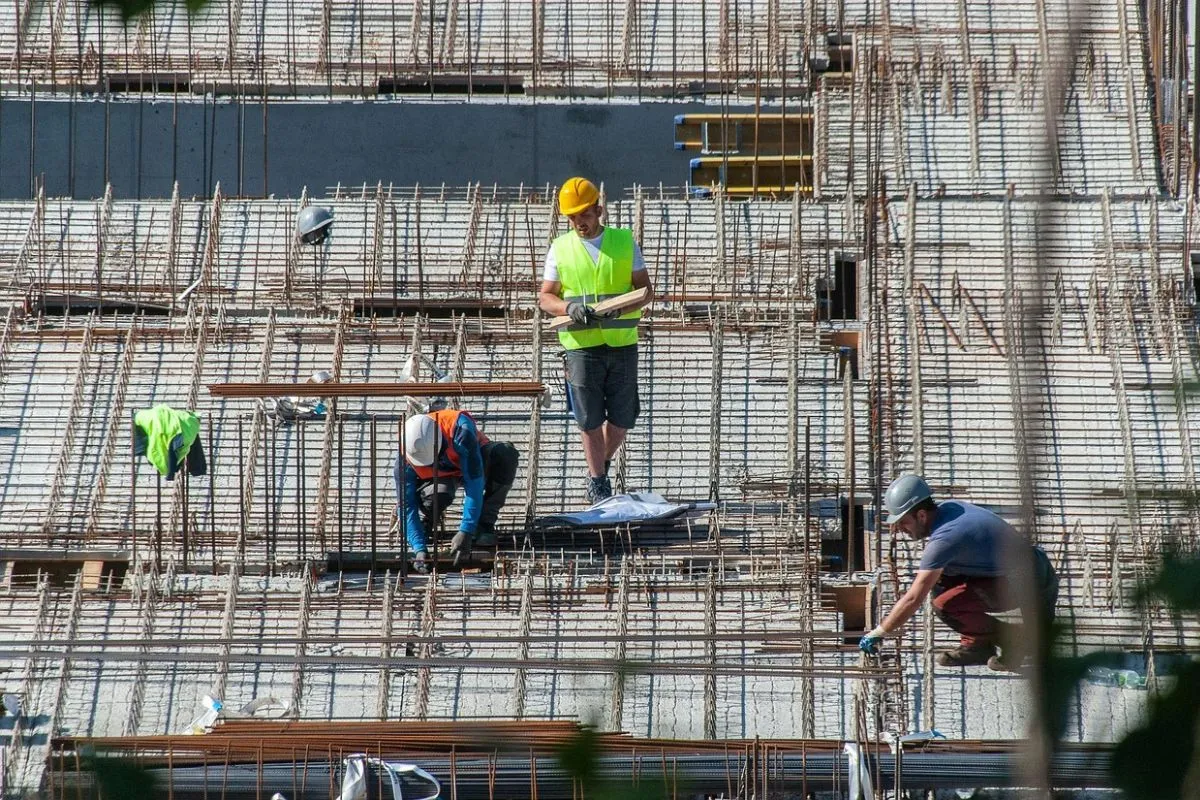
Falling sales are pushing small and medium-sized (SME) house builders into an “existential crisis” that could threaten the government’s house building ambitions.
SME house builders have seen average sales drop by 41 per cent between 2021 and 2025, according to a report by estate agents Savills for the Land, Planning and Development Federation (LPDF).
The Labour government has pledged to build 1.5m homes by the next general election but leaders in the construction and estate agency sectors have said they are facing tax and policy barriers which make this target implausible.
Sales rates among the UK’s largest house building firms have stabilised, the performance of small house builders is in steady decline, the report found.
Builders delivering between 500 and 1,000 homes per year have seen average sales per outlet fall from 33 homes per year in 2021 to just 19 last year.
SME house builders delivered 40 per cent of the UK’s new homes in 1988 but the rate of house completion has dropped by 38 per cent among house builders outside the UK’s 50 biggest.
‘Risk losing generation of SME builders’
The LPDF claims this collapse among small house builders means Labour’s homes target is in jeopardy unless the government delivers a targeted equity loan scheme for first-time buyers.
As many as 375,000 renting families could afford to buy a new home with the support of an equity loan – if they have a five per cent deposit – the federation claims.
While only seven per cent of families can afford a suitable home in their local area with a standard 95 per cent mortgage at present, this could rise to 30 per cent with the help of a loan scheme, the report claims.
Such a scheme could support as many as 85,000 more home completions and add £24bn to GDP over the next three years, according to the group.
Help to Buy, a previous equity loan scheme, offered first-time buyers a 40 per cent loan but was closed in 2023.
Some in the house building industry, like the Home Builders Federation (HBF) have called on the government to revive the scheme but some experts have warned the programme artificially inflated house prices.
Paul Brocklehurst, chair of the LPDF, said: “This research confirms that many SME housebuilders are operating at sales rates that are simply not viable in the short as well as medium term.
“Without targeted demand-side support, we risk losing a generation of SME builders and with them the capacity needed to meet the country’s vital housing ambitions.”
Chris Buckle, director of residential research at Savills, said larger house builders are relying on financial incentives to stimulate demand while SMEs cannot afford to use this strategy.
He said: “Without a boost to demand in the very near future, the industry capacity will be lost that supported 150,000 new homes sales and 220,000 total completions between 2019 and 2022.
“However, a renewed equity loan scheme could support up to 85,000 completions by March 2029, assuming it commenced in the Spring of 2026.”
The boss of a leading construction trade body warned on Wednesday that employment costs and inheritance tax reforms are damaging the firms that supply equipment and expertise to the sector, most of which are family-run.
Leading London estate agency Foxtons said this week that “government-driven” costs like minimum wage hikes and national insurance contributions prevented the firm from turning a profit despite attracting growing revenue.
