




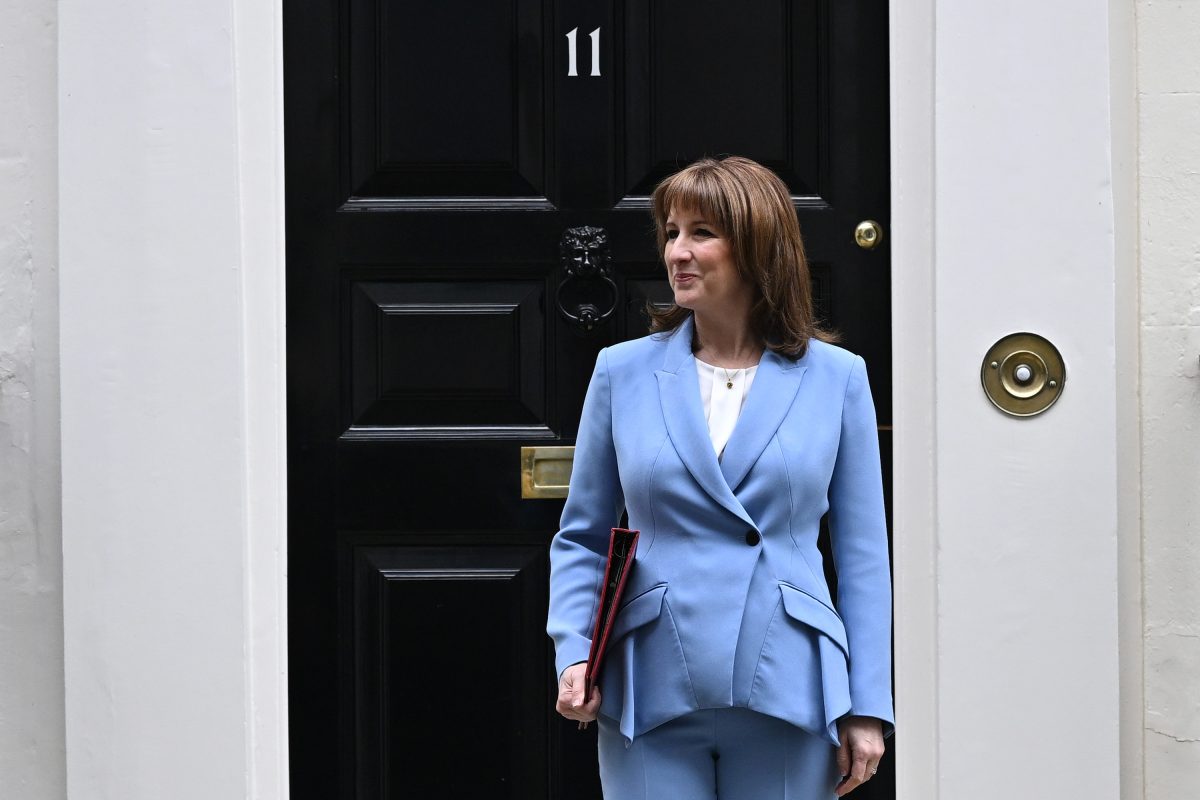
| Updated:
It was good for the Chancellor’s blood pressure, but was it good for business? We hear the case for and against the “boring” Spring Statement in this week’s Debate
YES: The global backdrop hardly encourages risk-taking. For now, stability is a virtue
This week’s Spring Statement was a rare and welcome moment of calm. In business, we reforecast constantly, but we agree a budget once a year. That budget sets investor expectations, shapes compensation programmes and becomes the north star for the months ahead. We live and die by it.
In government, however, the Spring Statement has too often drifted into a second Budget by another name. In four of the last 10 years, it has carried material fiscal changes. The weeks and months leading up to recent Budgets have been fraught: blame games, talk of black holes and radical shifts in employer taxation. Businesses and households alike have been left needing less drama and more certainty, less rhetoric and more security.
Yesterday was different. No material fiscal surprises. No sudden tax changes. No confidence-sapping measures slipped in under the guise of an update. For once, a Spring Statement did what it said on the tin. I welcome the return to a steadier narrative and a measure of fiscal discipline – and I know other business leaders feel the same.
The global backdrop hardly encourages risk-taking. Conflict involving Iran, tension between Pakistan and India and four grinding years of war in Ukraine weigh heavily on markets and minds alike. Against that backdrop, the government’s decision last November to keep this March event deliberately light looks prudent, particularly at a time of polling pressure and noisy opposition.
We cannot plan too far ahead; uncertainty remains a stubborn companion. But for now, stability is a virtue. Let’s get our heads down growing businesses, governing responsibly, and getting on with the work of the day.
Steve Rigby is CEO of Rigby Group
NO: The government is in danger of making itself irrelevant. Growth demands action
The Chancellor had every excuse she needed to play it safe with yesterday’s Spring Statement.
Borrowing and inflation forecasts were forcecast to be (and have been) revised down, while a steady drumbeat of interest rate cuts are finally starting to be felt in people’s pockets. Flaring conflict in the Middle East and uncertainty about its implications for the global markets served only to reinforce a cautious sentiment in the Treasury.
But – after 18 months of stumbling from crisis to catastrophe with no clear direction or coherent strategy – the luxury of steadying the ship is no longer afforded to this government.
Last week’s historic defeat to the Green Party in the Gorton and Denton by-election should be a wake-up call. The electoral threat – so long embodied by the rise of Reform UK on the right of British politics – is now all around. For traditional political parties, it could prove existential.
Through indecision and inaction, the government is in danger of making itself irrelevant. If tackling the cost of living and delivering economic growth that reaches ordinary working people is to be achieved, it demands bold and decisive action. The Chancellor may have committed to limiting the Treasury to a single annual fiscal event, but opportunities to radically shift the dial are fast running out.
For the Labour Party to stand any chance of winning the next General Election, its only option is to choose a path and pursue it with unwavering focus. The days of half-measures, triangulated policy and tinkering around the edges are long gone. If they can’t, the lifespan of this government will be measured not in months and years, but in days and weeks.
Luke Francis is a partner at Pagefield and former Labour Party adviser
THE VERDICT
Ahead of yesterday’s Spring Statement, there was one thing the government took great pains to emphasise: it would be boring. No drama, no policy announcements, and certainly no rabbits. And they stayed true to their word. Heading to the dispatch box, Chancellor Reeves was uncharacteristically relaxed, smiling as she left Downing Street and comfortably cracking jokes in the commons. A boring Budget, then, was certainly to the benefit of Ms Reeves’s blood pressure, but what about businesses?
Mr Francis is right that Labour is in crisis, and bold action is needed to save the party. However they also need to stick to their word, and having just one fiscal event a year was a flagship commitment that they would have been remiss to abandon. What’s more, what’s good for the party is different to what’s good for business, and, as illustrated by Mr Rigby, business has been loud and clear on what it wants: stability.
The verdict: in a world of turmoil, ‘dull’, ‘boring’ and ‘uneventful’ are about the best words a government can hope for.
