










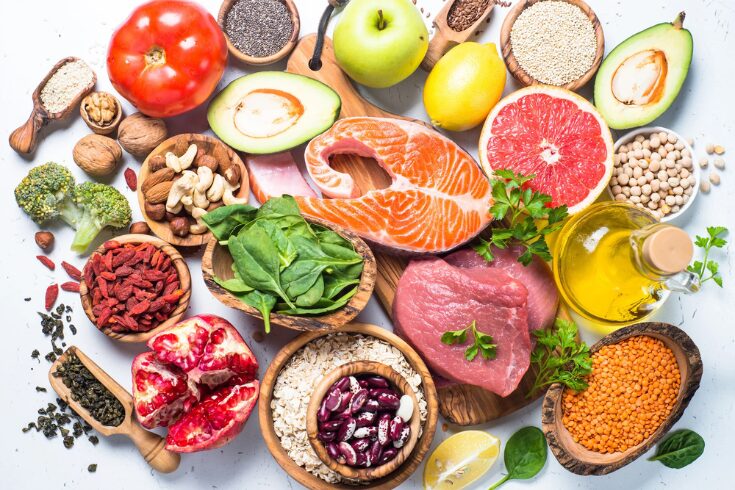
Protein used to be just something bodybuilders and gym-goers fixated on. However, it’s now on everyone’s lips. We want to know how to optimise our protein consumption and we want the best quality proteins possible.
Recent studies by the International Food Information Council (IFIC) have shown that 44 percent of Gen Z and Millennial consumers are now actively seeking to add protein to their everyday diets.
A walk through the grocery store will confirm how marketers are now using ‘protein’ to punt their products. At the same time, food manufacturers are starting to put protein into everyday foods to boost nutritional content. On inspecting the store shelves, you will see high-protein pastas made from chickpeas or lentils, or ultra-filtered milk with 50 percent more protein, for example.
Another talked-about example is Starbucks’ new 15g protein cold foam. This product has been designed to top the coffee franchise’s iced coffees, matcha lattes, or cold brews. It is enriched with protein and has been formulated to help customers hit their daily protein goals.
Starbucks spokesperson Katie Seaton says of the innovative foam: “Customers are asking for more protein options, not just in food, but across every part of their day. This new cold foam adds functional nutrition without sacrificing flavour.”

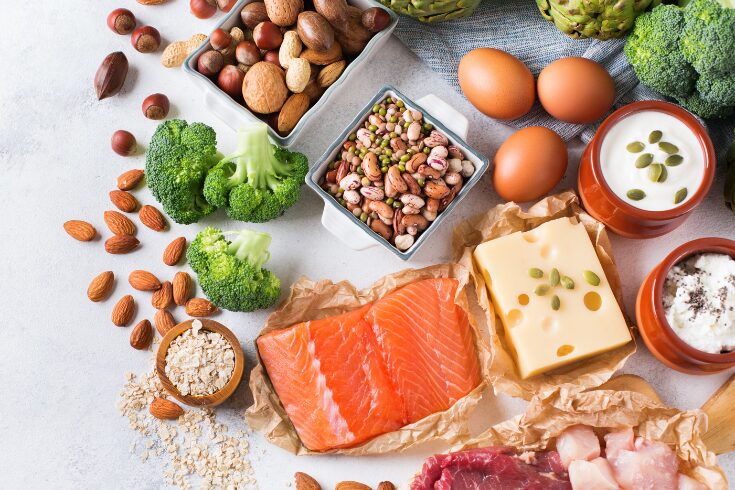
Like me, you might also be curious as to why these high-protein products are popping up everywhere. On researching the matter, it seems there is scientific backing to the movement and that it is more than just a passing trend. These high-protein snacks are nutrition-packed and fuel performance, support muscle maintenance, promote satiety, and offer tangible health benefits.
Why The Surge In Protein Products?
Several factors help explain the trend. For one, there’s growing awareness of the satiety power of protein. This refers to its ability to keep you full longer. Eating protein can help you to get less food cravings, for example cravings for sugary foods. By helping to keep you feeling full, it can also support weight management.
“Calories from protein affect your brain, your appetite control center, so you are more satiated and satisfied,” says nutritionist Mark Hyman.
A 2024 study published in the journal Nutrients showed that individuals consuming at least 25 percent of their daily calories from protein reported fewer instances of late-night snacking and showed better regulation of hunger hormones.
Older adults are turning to protein for muscle maintenance and bone density, while younger generations are embracing it as part of fitness culture, and for body positivity and mental performance.
Furthermore, the National Institutes of Health says that a high protein intake can boost basal metabolic rate. This is the number of calories that is used to perform basic functions.
The ‘proteinification’ of everyday foods also supports our on-the-go lifestyles. Life has become busy and we want to get the most out of each bite of food. We usually also eat this food in rushed moments between activities and want something nutrient-dense, which is also easy to carry around and then to eat. These ‘protein powerhouse’ snacks usually fit the description. Think of the smoothies we drink which now often include protein. Even yoghurts now incorporate added protein.
Another fascinating shift has been the increased focus on plant-based protein. Lentils have become the stars of many meals, as have beans. There have also been many advances in pea, soy, mung bean, and fava bean protein extraction. The result of these advancements has been that many plant-based products are now offering amino acid profiles comparable to animal protein.
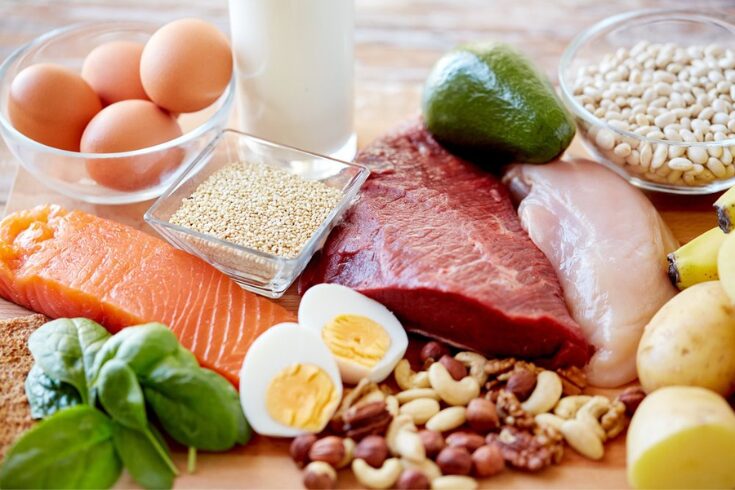
Functional plant-protein blends now appear in everything from soups to chips to cereals. This makes it easy for consumers to ‘upgrade’ their meals without drastic changes to habits or taste preferences.
Protein powder has also become a topic of conversation between health enthusiasts. Michael Ormsbee, the Health, Nutrition, and Food Sciences graduate program director at Anne’s College and director of the FSU Institute of Sports Sciences and Medicine, explains its popularity: “Protein powder is convenient and practical, especially for people with busy schedules, higher protein needs or limited appetite,” he says. “You can absolutely meet your protein needs through whole foods, but powders make it easier to hit targets. In the context of a well-balanced diet, protein supplements are safe, effective and well-supported by research, but they’re best thought of as an option, not a requirement.”
As 2025 unfolds, it’s clear that the protein craze is based on science and is possibly not a passing fad. It seems to reflect a deeper cultural pivot toward functional, intentional eating. Whether you go to a coffee shop or to a convenience store, it seems that protein-rich options are there to stay.


