




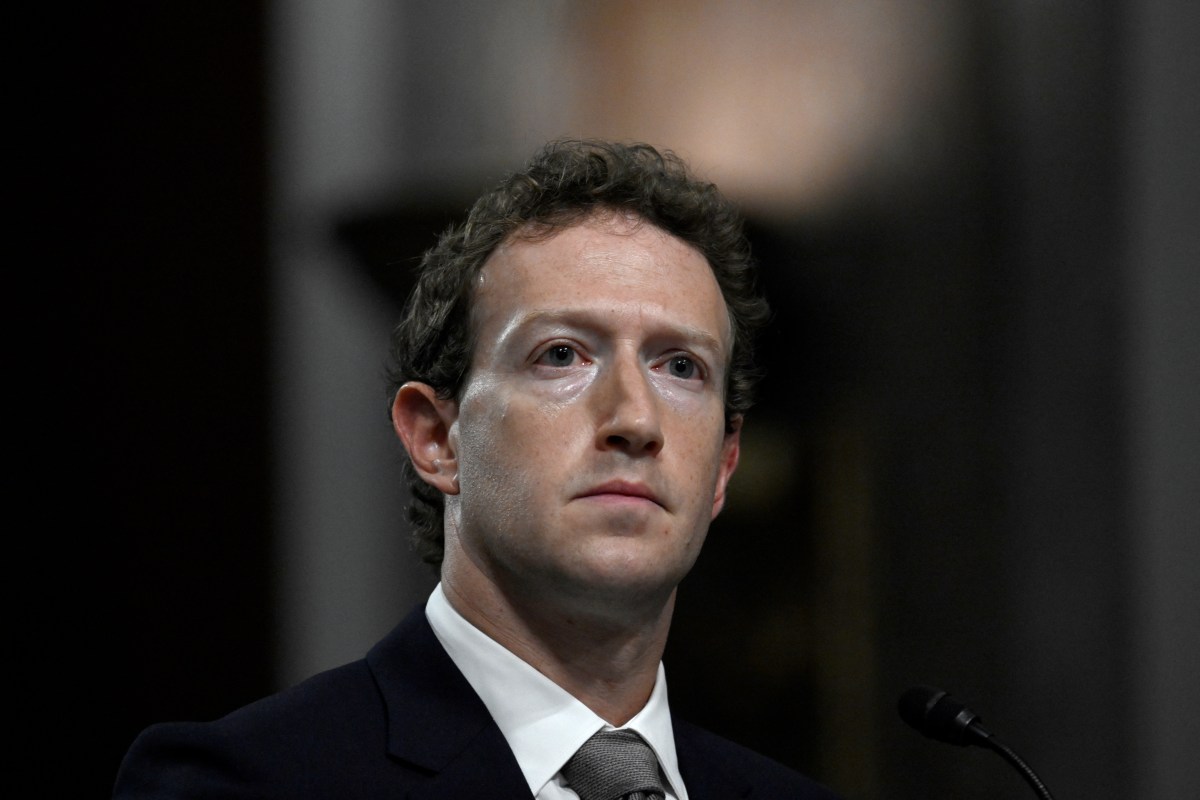
Instagram tracked the time users spent on its app, with company executives flagging “milestones” that its app reached year after year. The app’s daily usage grew from 40 minutes per day in 2023 to 46 minutes per day in 2026, according to documentation revealed during Mark Zuckerberg’s testimony in a state court case proceeding taking place in Los Angeles County Superior Court this month.
The focus on time-spent metrics is a key factor in the lawsuit, which is also Meta CEO Mark Zuckerberg’s first-ever appearance before a jury.
In the lawsuit “K.G.M. v. Platforms et al.,” now underway in L.A. County’s Superior Court, a jury will determine whether or not social media companies are liable for youth mental health issues caused by their platforms or their addictive designs. Snap and TikTok settled before the trial’s start, but Meta and YouTube declined. Executives from both companies will give testimony as part of the trial.
The 19-year old plaintiff in the case, who goes by the initial K.G.M. or “Kaley,” says that using social media at a young age was harmful to her mental health, leading her to become addicted to the technology and develop depression, including thoughts of suicide.
Meta disputes that its app is responsible for Kaley’s troubles.
“The question for the jury in Los Angeles is whether Instagram was a substantial factor in the plaintiff’s mental health struggles. The evidence will show she faced many significant, difficult challenges well before she ever used social media,” said Meta spokesperson Stephanie Otway in an emailed statement about the case.
Lawyers for the plaintiffs are hoping to prove that Meta set goals internally to increase the time users spent on Instagram, despite knowing there were minors on the platform. In Zuckerberg’s testimony this month, he was pressed on why he told Congress in 2024 that children under 13 were not allowed on Instagram, when internal documents showed that the company knew of some 4 million children under 13 on the app back in 2015. The document also noted this figure represnted 30% of all 10-12-year-olds in the U.S.
Zuckerberg pushed back at the line of questioning, saying that he answered the question in Congress honestly by stating the company’s policy, and noted that Instagram removed the underage users it found. He also attempted to clarify that the “milestones” the company had tracked were not the same thing as specific “goals” that Instagram’s team was tasked to achieve.
However, other documents the plaintiff’s legal team referenced during his testimony pointed to Instagram’s growing interest in the tween and teen demographic, with emails written by a former product manager even going so far as to say, “Our overall company goal is total teen time spent,” and that “Mark has decided that the top priority for the company in the first half of 2017 is teens.” Another market landscape in December 2018 also found that tweens were the “highest retention age group” in the U.S., suggesting the company was interested in the demographic.
Another email, penned by Zuckerberg advisor Nick Clegg, who left the company last year, pointed out that Instagram’s age requirements were basically “unenforceable.”
Despite knowing there were underage users on its platform, Instagram didn’t take action to address its existing underage users until August 2021, when it began requiring users to enter their birthdays, the plaintiff’s lawyers argued. (Meta responded that it began asking for ages at sign-up in 2019 for new users, though.)
Though Instagram has more recently rolled out a series of teen protections and parental controls, its focus on the young demographic remains. Other internal documentation referenced in this testimony indicated that Meta’s current hope is for Instagram to be the largest teen destination by monthly active users in the U.S. and globally this year.
If you or someone you know is considering suicide or needs to talk, there are people who want to help. Call or text 988 to reach the National Suicide Prevention Lifeline.
